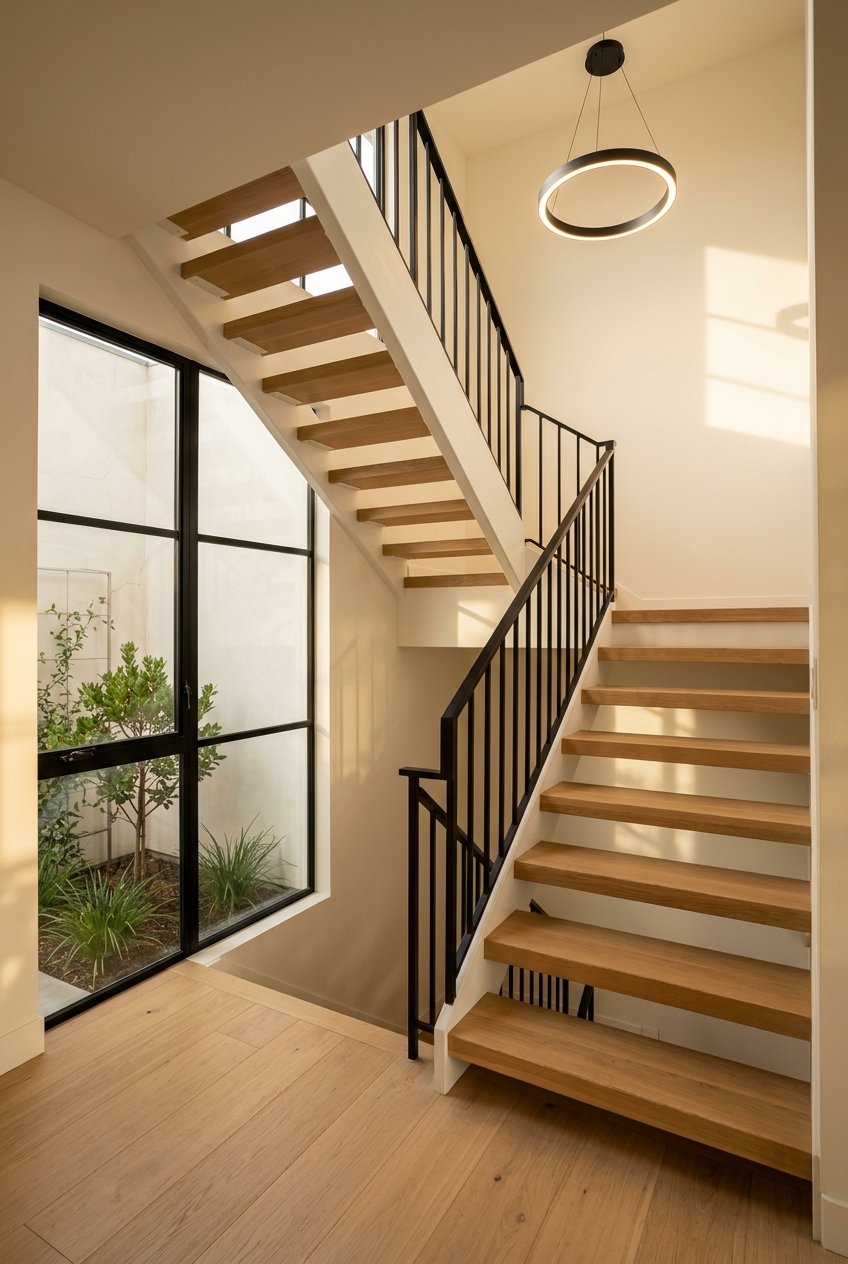
Marina San Francisco Home Marketing That Helps Listings Stand Out
July 16, 2026
July 16, 2026
You rarely get a second chance to shape a buyer’s first impression, especially in the Marina. In a neighborhood where buyers often expect standout design, strong natural light, and a clear sense of place, your listing presentation can influence how quickly they understand the value of your home. If you are preparing to sell in the Marina, this guide will show you how design-forward marketing helps your property stand out and why the right visual strategy matters here. Let’s dive in.
The Marina is not a one-note housing market. San Francisco Planning describes it as a predominantly residential neighborhood with flats, apartment buildings, and single-family dwellings, with visual anchors like bay views, parkland, and a well-known commercial corridor shaping how people experience the area.
That context matters when you list your home. Buyers are not only comparing square footage or bedroom count. They are also comparing light, layout, finishes, and how well a home reflects the Marina lifestyle tied to places like Marina Green, Chestnut Street, and the Palace of Fine Arts.
The neighborhood’s housing stock also supports a more thoughtful marketing approach. SF Planning’s 2025 housing inventory shows 15,790 housing units in the Marina, including 1,139 single-family homes and a large share of homes in 2 to 4 unit, 5 to 9 unit, 10 to 19 unit, and 20-plus unit buildings.
With only 18 net new units added in 2025, the Marina is not a fast-expanding market full of brand-new inventory. Many listings are part of older condos, flats, and small multi-unit buildings, which makes presentation especially important when you want buyers to connect with a home’s flow, character, and finish quality.
The Marina sits firmly in San Francisco’s high-value tier. Redfin reports a median sale price of $2.9 million over the last three months, up 7.2% year over year, while Zillow’s average home value estimate is $2,228,304, up 10.8% over the past year.
Those numbers measure different things, but they point in the same direction. This is a premium market, and premium markets usually come with premium expectations.
When buyers shop at this price point, they tend to look closely at design choices, room function, and overall polish. They want to understand not just what a home is, but how it lives day to day in a neighborhood known for walkability, open views, and visually distinctive streetscapes.
A polished listing is not just about style. It helps buyers picture themselves in the space and understand the home more clearly before they ever schedule a showing.
According to the National Association of Realtors 2025 staging report, 83% of buyers’ agents said staging makes it easier for buyers to visualize a property as a future home. The same report found that 19% of buyers’ agents said staging increased the dollar value offered by 1% to 5%, and 30% reported slight decreases in time on market.
That is why design-forward marketing matters in the Marina. In a neighborhood with older housing stock, architectural character, and many multi-unit properties, strong presentation helps buyers see what is current, functional, and special about your home.
If you are deciding where to focus your effort, start with the rooms that shape first impressions. NAR’s 2025 staging report found that the most commonly prioritized rooms were the living room, primary bedroom, and kitchen.
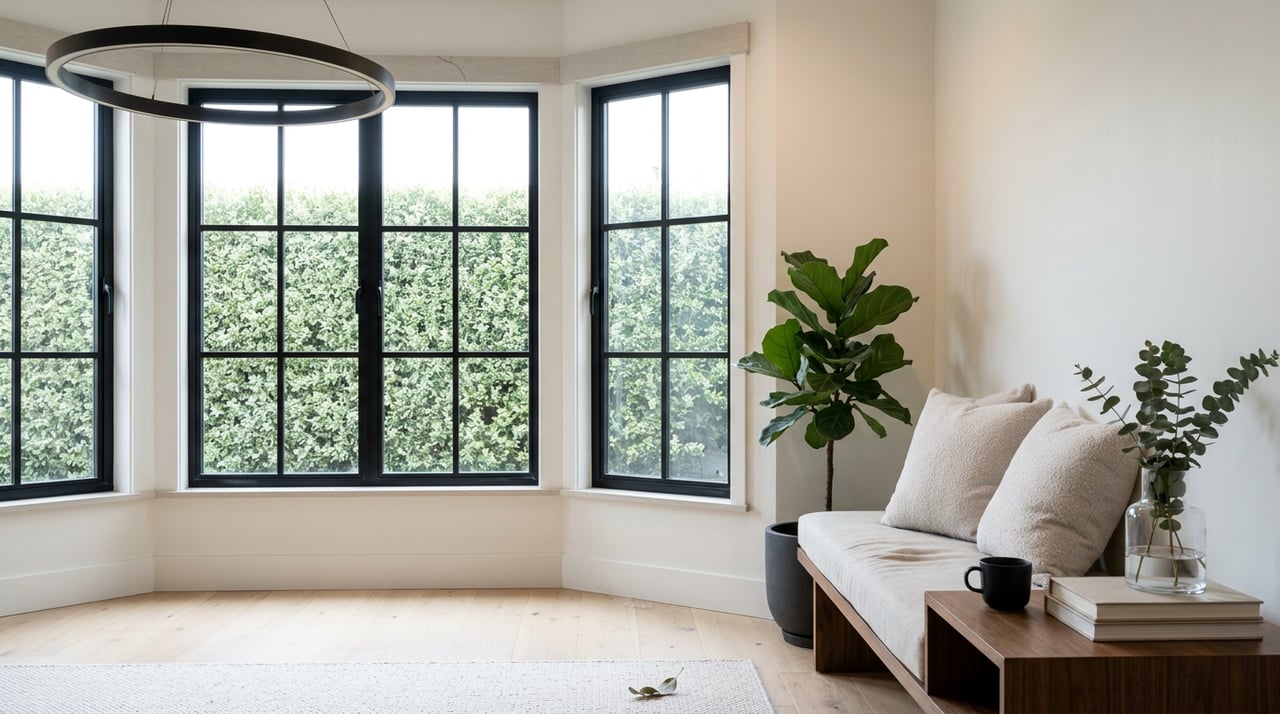
For many Marina listings, the living room does a lot of work. It often introduces the home’s natural light, ceiling height, window orientation, and overall style.
The primary bedroom should feel calm, useful, and well-scaled. Buyers want to understand how the room functions, how much breathing room it offers, and whether it feels like a retreat.
The kitchen is also a major decision point. Even if your kitchen is not newly renovated, thoughtful styling, clean surfaces, and strong photography can help buyers focus on layout, usability, and visual cohesion.
In the Marina, living rooms often help sell the home’s connection to light and neighborhood context. Keep sightlines open, reduce visual clutter, and use furniture that defines the room without making it feel crowded.
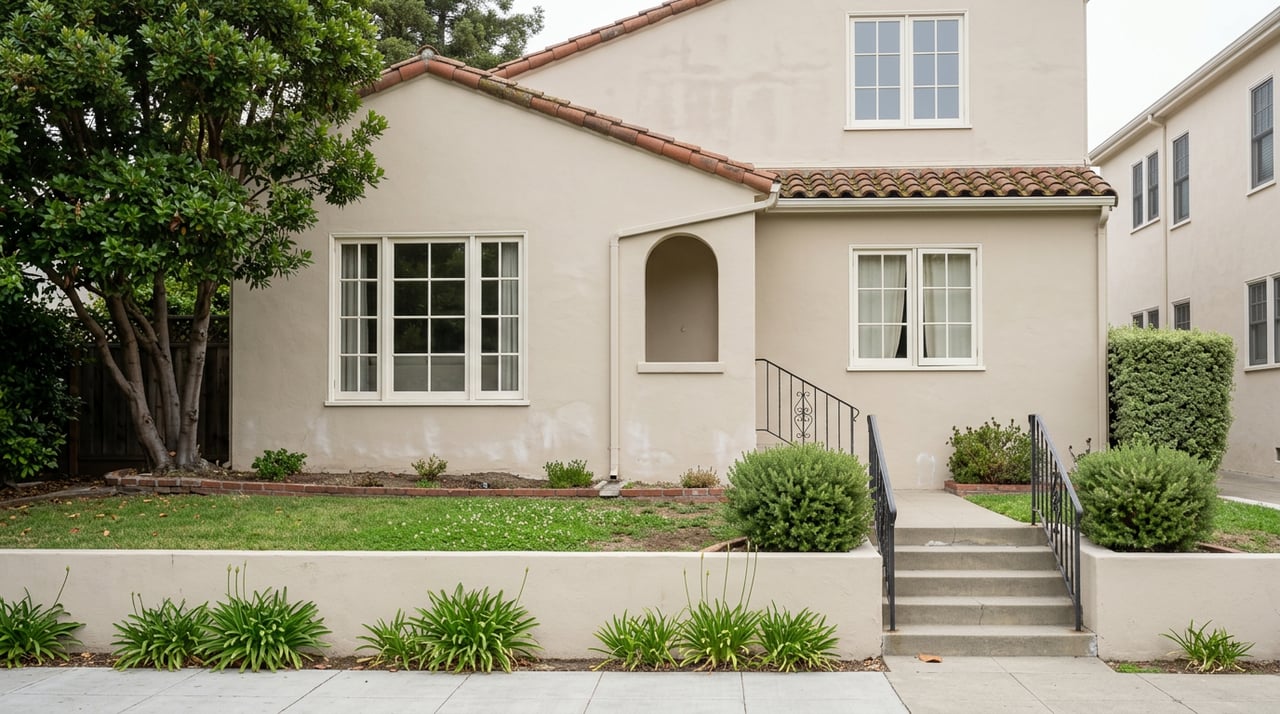
If the home has period details, let them show. Older Marina homes can reflect 1920s-era architecture, so the goal is usually to make the room feel current without stripping away character.
A bedroom should read as restful and functional. Simple bedding, balanced lighting, and clear circulation help the room feel more spacious and easier to understand online.
Avoid over-accessorizing. Buyers should notice the room itself, not feel distracted by styling choices.
Kitchens benefit from restraint. Clear counters, edited decor, and bright, accurate photography help buyers focus on storage, workspace, and flow.
If the kitchen connects to dining or living areas, the visual story should show that relationship. In many Marina homes, that sense of connection helps buyers evaluate whether the layout suits modern living.
Beautiful listing photos still matter most online, but they should not carry the whole job alone. NAR’s 2024 buyer research found that among internet users, the most useful listing content included photos at 66%, detailed property information at 65%, floor plans at 47%, virtual tours at 33%, neighborhood information at 32%, and videos at 21%.
That matters because buyers now screen many homes before they visit in person. NAR also found that buyers typically viewed a median of 20 homes virtually and 8 homes in person before buying.
In other words, your listing has to perform well on screen before it gets the chance to perform in person. A strong Marina listing package should help buyers understand the home from multiple angles.
A design-forward listing package should feel polished, but it also needs to be informative. Buyers want clarity as much as they want beauty.
A well-prepared package often includes:
When these pieces work together, buyers can better understand what sets your property apart. That is especially valuable in a neighborhood where many homes may compete on similar location benefits.
In the Marina, light is often part of the value story. So is the way a home opens up, frames views, or connects to nearby outdoor spaces.
Your marketing should show these features accurately. That means using visuals and copy to explain window placement, exposure, room-to-room flow, and any indoor-outdoor relationship in a clear, credible way.
This is where design-forward marketing becomes practical. It is not about exaggeration. It is about helping buyers understand how the home functions and why it feels appealing in this specific setting.
The best Marina listings do not read like a list of specs alone. NAR’s online listing guidance recommends narrative-style descriptions that help buyers understand what it feels like to live in the home.
That approach works well here because the Marina is about both place and property. A buyer may be responding to the home itself, but also to the experience of being near Marina Green, spending time around Chestnut Street, or living close to the Palace of Fine Arts and bay-facing open space.
Good listing copy should bring those elements together in a polished, factual way. It should help buyers see the rhythm of daily life without overpromising or leaning on vague luxury language.
City materials note that much of the Marina’s housing stock was built in the 1920s, with architectural influences that still shape the neighborhood today. That creates an opportunity for sellers.
Older interiors often respond especially well to thoughtful staging, editing, and photography. When done well, the home can feel fresh and current while still honoring original details and architectural personality.
This is often more effective than trying to force a trend-heavy look. In a design-aware market like the Marina, buyers usually respond better to clean, balanced presentation that lets the home’s real character come through.
In a high-value neighborhood, pricing and presentation work together. If your home enters the market with a strong visual strategy, clear information, and a cohesive story, buyers may find it easier to understand your asking price.
That does not mean every home needs the same level of staging or the same marketing mix. It means your listing strategy should reflect the property type, condition, architectural style, and buyer expectations in the Marina.
A boutique, neighborhood-specific approach can be especially valuable here. The right plan should highlight what matters most for your home, whether that is light, layout, period detail, finish quality, or future potential.
If you are thinking about selling in the Marina, design-forward marketing is not just a finishing touch. It is part of how you present value in a neighborhood where buyers are paying close attention. For a tailored listing strategy built around presentation, local context, and polished execution, you can start with Mandy Lee.
Stay up to date on the latest real estate trends.
Innovative real estate maven hailing from the heart of San Francisco. Born and raised in this iconic city, I use my deep local roots with modern strategies, reshaping the real estate landscape. With an intimate knowledge of the city's diverse neighborhoods and a knack for design, she's your guide to finding the perfect property match.