The City Won't Catch West Portal's Unpermitted Garage. Your Disclosure Form Has To.
September 24, 2026
September 24, 2026
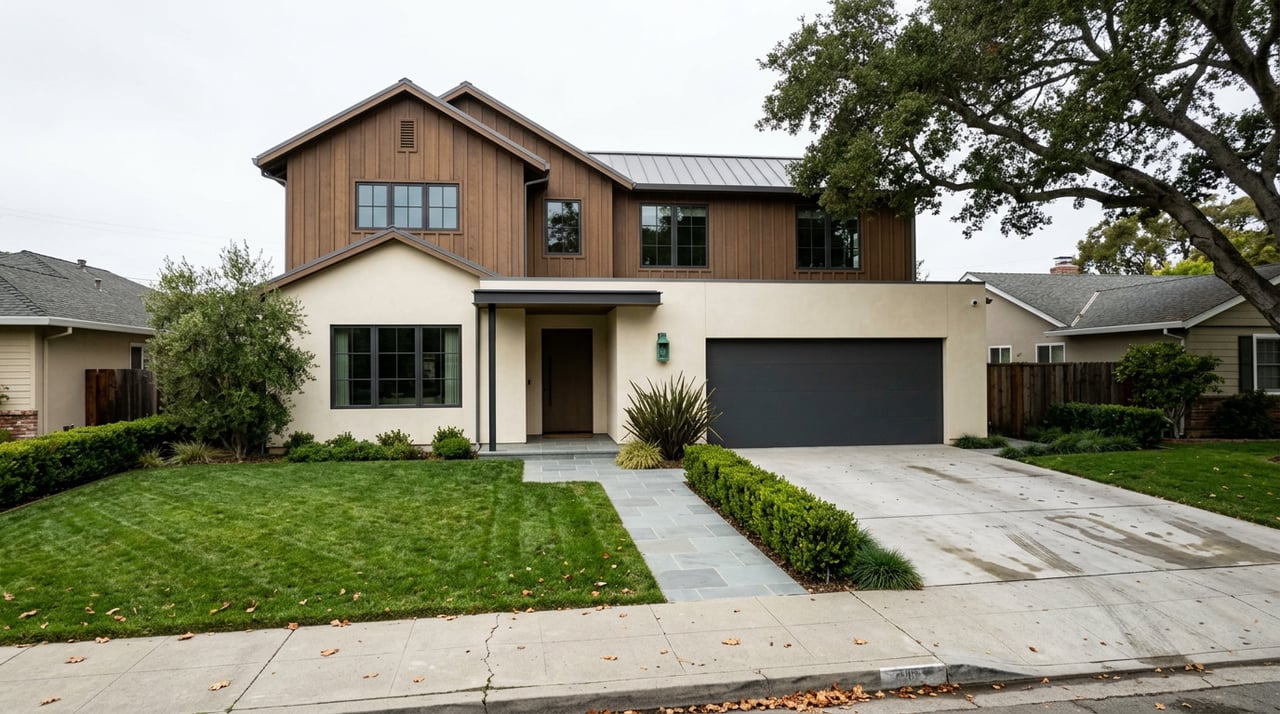
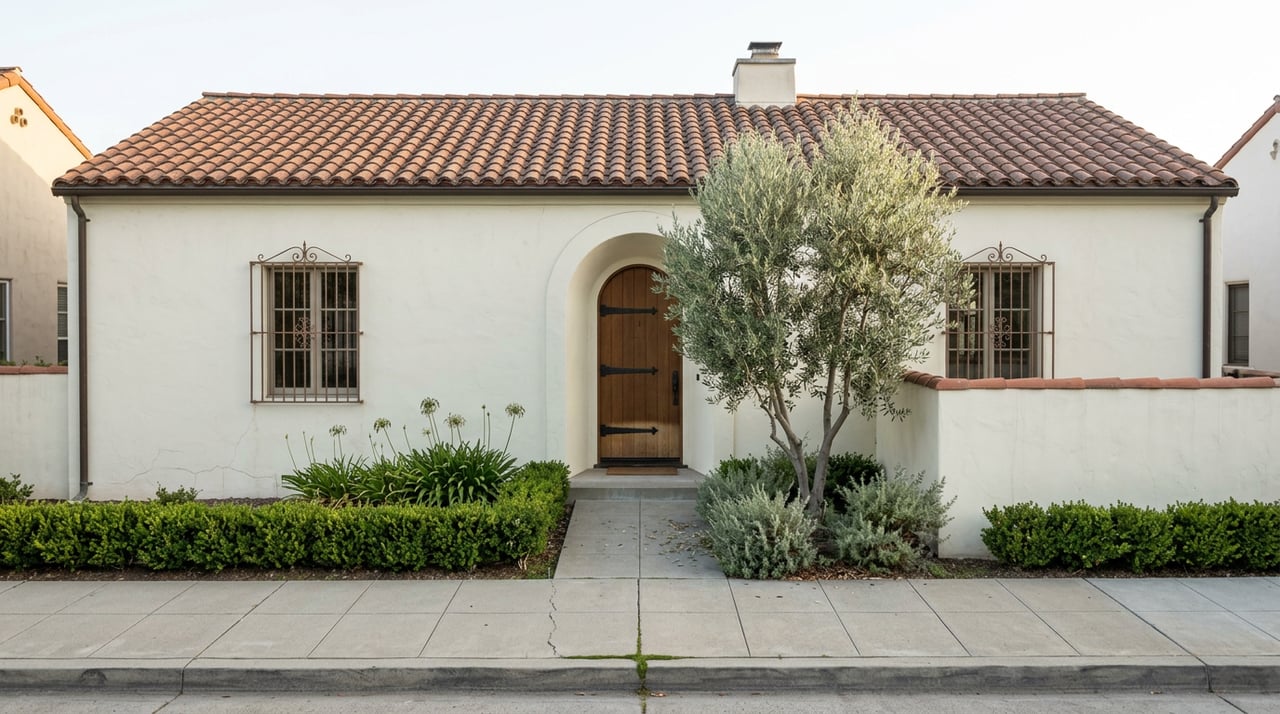
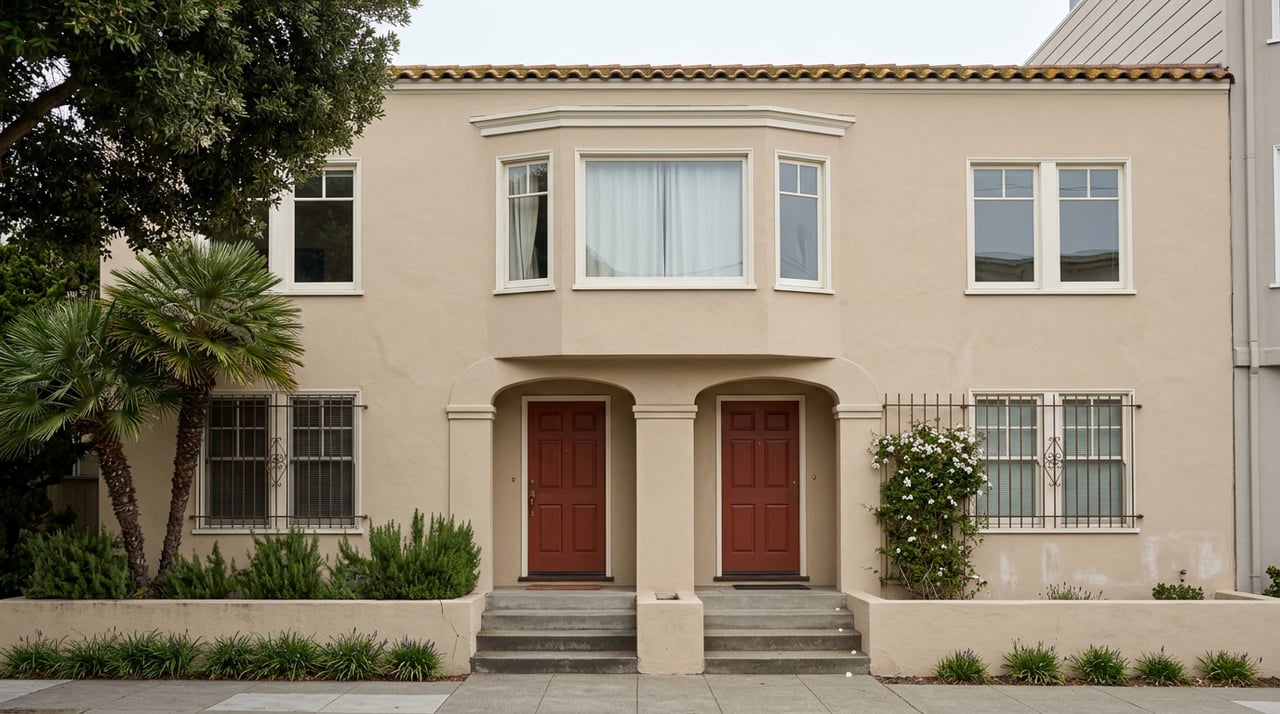
Walk down Ulloa or Vicente on a clear afternoon and you'll pass a dozen homes built the same way: deep lot, private driveway, attached garage tucked under the main living floor. It's the signature of West Portal's 1920s and '30s building boom, when the neighborhood filled in with Marina, Tudor, and Mediterranean-style houses set back far enough from the sidewalk to feel almost suburban. Somewhere on that same block, there's a good chance one of those garages hasn't held a car in decades. A family room now. Maybe a home office, maybe a bedroom for a returning adult child. Drywall over the old door track, a window where the garage door used to be.
Nobody from the city ever came to check. And that's the part sellers here consistently misunderstand.
San Francisco's Department of Building Inspection doesn't send anyone out when a home changes hands. It inspects when someone complains. A DBI spokesperson told the San Francisco Chronicle plainly that inspections happen based on complaints the department receives, not when homes are sold, which means permitting problems can sit untouched for years if nobody ever says anything. A converted garage from 1994 can outlive three owners without a single city record acknowledging it exists.
That silence doesn't transfer any protection to whoever buys next. Buyers who inherit unpermitted work don't owe the permit fees a proper application would have required, but they are on the hook for fixing whatever an inspector eventually flags, according to the same DBI spokesperson. The risk doesn't disappear when the seller closes. It just changes hands, quietly, along with the keys.
A San Francisco broker who serves as senior director of risk management at a national brokerage put it to the Chronicle this way: buying a property where a prior owner altered it without city approval puts the new owner at greater financial risk than the listing price alone would suggest. His advice to buyers was specific. Compare the seller's disclosures and any disclosures from prior sales against permit history, tax records, and what the agents and inspectors on the deal actually observe walking through the space.
That comparison only works if the seller's disclosure is honest in the first place.
West Portal's housing stock makes this a sharper issue than it is in flatter, rowhouse-heavy parts of the city. The neighborhood's homes were built detached, on larger lots, with private driveways and attached garages as a standard feature rather than an exception. That combination, deep lots plus a built-in garage plus nearly a century of ownership turnover, is exactly the setup that produces informal conversions. A garage is easy to finish without a permit because the structure already exists. No one has to dig a foundation or frame an addition from scratch. They just wall off the opening, run some electrical, maybe add a window, and call it a room.
None of this makes West Portal unusual in a bad way. It makes the garage the specific place a seller's memory needs to go first, before a buyer's inspector gets there on their own. If a family room downstairs used to be a garage, or a bedroom upstairs used to be an unfinished attic, that history belongs on the disclosure form regardless of how long ago the work happened or who did it.
California's Transfer Disclosure Statement, required under Civil Code Section 1102 for most one-to-four unit residential sales, asks sellers directly about additions, alterations, or repairs made without permits. The obligation applies even if the seller wasn't the one who did the work. If a prior owner converted the garage and the current seller simply knows about it, that knowledge alone triggers the disclosure requirement.
The form has gotten longer this year, not shorter. As of January 1, 2026, California sellers also have to disclose the presence of gas-powered appliances and whether tobacco or nicotine products have been used inside the home, on top of the existing requirements around structural issues, water intrusion, and known material defects. Separately, state lawmakers passed AB 968 to expand disclosure obligations specifically for sellers who renovated a property themselves, a category that includes a fair number of West Portal owners who took on a kitchen remodel or a garage finish-out as a long-term project rather than a flip.
More lines on the form means more chances for something to get missed, especially when the underlying work happened twenty years ago and the current owner inherited the house from a parent rather than doing the renovation personally.
Disclosure obligations in California don't stop at the property line. Sellers are also expected to flag known development plans nearby, things like zoning changes or major construction that could change the character of the neighborhood, when that information is something a reasonable buyer would want before making an offer.
West Portal currently has one of the more consequential examples of this anywhere in the city. The vacant Empire Theater at 85 West Portal Avenue, closed by Cinemark back in February 2021, was originally proposed as a nine-story, 64-unit building with ten deed-restricted affordable units, designed by Handel Architects. That was the plan filed at the start of this year. Since then, the development team more than doubled it. The current proposal calls for 172 units across 12 stories, with 26 affordable units split between very low and moderate income households, a scale increase made possible by Mayor Daniel Lurie's recent Family Zoning changes along with the developer's acquisition of an adjacent parcel.
The district supervisor, Melgar, has acknowledged there is little the city or neighbors can do to scale the project back given the state and local laws now governing infill housing approvals. That's not a comment on whether the project is good or bad for the block. It's a fact about how much has changed at one of West Portal Avenue's most visible addresses in under a year, right in the commercial heart of the neighborhood most buyers walk through before ever seeing a house.
If you're selling a home within a few blocks of that corner this year, the honest move is to know the current scope of that project before a buyer asks you about it, because they will have read the same news coverage you have access to.
None of this is a reason to panic about a converted garage or hold off on listing near West Portal Avenue. It's a reason to get ahead of both issues before they surface mid-escrow.
Before you list, walk your own house the way a skeptical inspector would. Compare the square footage on your property tax record against what the home actually measures. A gap between those two numbers is often the clearest sign that a room, garage, or addition was finished without ever going through permitting. Pull whatever permit history exists for the address through the city's own records, and if you know a prior owner did work without pulling permits, write it down plainly on the disclosure rather than leaving the question blank or guessing at what a buyer's inspector might or might not find.
The upside of full disclosure isn't just legal protection, though that matters given how long California's disclosure-related claims can stay open after closing. It's also that buyers who see a clear, specific explanation of what was done and when tend to price the risk into their offer rather than walking away or renegotiating deep into escrow. A seller who says plainly that the family room used to be a garage, finished without permits sometime in the 1990s, gives a buyer something they can actually evaluate. A seller who says nothing gives a buyer a reason to assume the worst the moment their contractor notices the mismatched flooring.
Does the city ever check permits when a home changes ownership? No. San Francisco's Department of Building Inspection has confirmed it inspects based on complaints it receives, not as part of the sale process, so unpermitted work can go unnoticed for years if no one reports it.
If I didn't do the unpermitted work myself, am I still required to disclose it? Yes. California's disclosure law asks about known unpermitted work regardless of who performed it. If you know about it, whether from living there, from a prior owner mentioning it, or from a permit history search, it belongs on the form.
Do I need to mention the Empire Theater project if I'm not selling on West Portal Avenue itself? It depends on proximity and what a reasonable buyer would consider relevant to their decision. A project of this scale, now 172 units and 12 stories, is a documented change to the immediate area, and disclosure guidance treats known nearby development as a material fact worth flagging when it's close enough to matter.
Will disclosing a converted garage tank my sale? Not usually. Clear, specific disclosure tends to let buyers price the issue into their offer rather than derailing the deal entirely. The bigger risk comes from a buyer discovering it later and wondering what else wasn't mentioned.
If you're weighing a sale in West Portal this year and want a straight read on what your specific property might need to disclose, garage history, permit records, or the development happening down the avenue, Mandy Lee can walk the house with you and help you get ahead of it before a buyer's inspector does. Request a free home valuation to start the conversation.
Stay up to date on the latest real estate trends.
Innovative real estate maven hailing from the heart of San Francisco. Born and raised in this iconic city, I use my deep local roots with modern strategies, reshaping the real estate landscape. With an intimate knowledge of the city's diverse neighborhoods and a knack for design, she's your guide to finding the perfect property match.