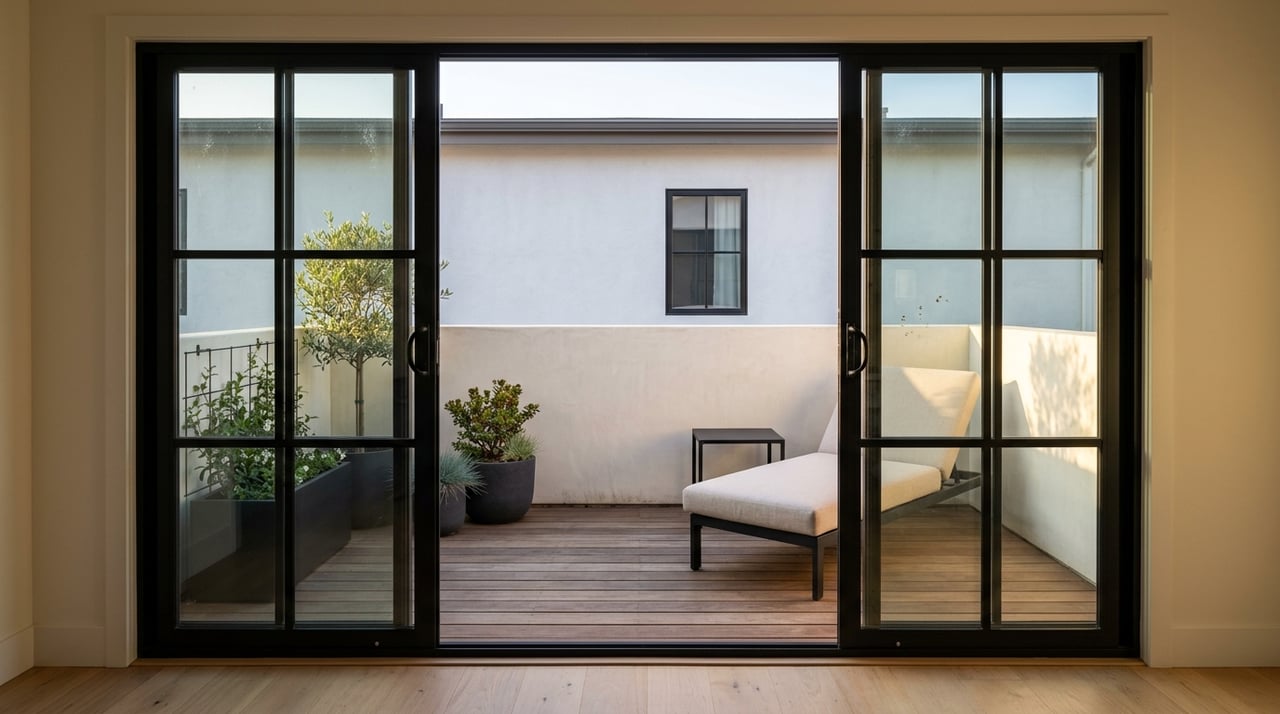
Sunset District Homes vs Condos: How to Choose
July 2, 2026
July 2, 2026
Wondering whether a house or a condo makes more sense in the Sunset? It is a smart question, especially in a neighborhood where the housing stock is more varied than many buyers expect. If you are trying to balance space, maintenance, budget, and long-term flexibility, this guide will help you compare the tradeoffs with a clear Sunset-specific lens. Let’s dive in.
The Sunset is often thought of as a house-dominant part of San Francisco, and in many areas, that is true. SF Planning’s 2025 housing inventory shows Sunset/Parkside has 19,522 single-family units out of 27,277 total units, or 71.6%.
But that is not the full story. Inner Sunset is much more mixed, with 4,237 single-family units out of 12,635 total units, or 33.5%. In practice, that means your options can look very different depending on where in the Sunset you are searching.
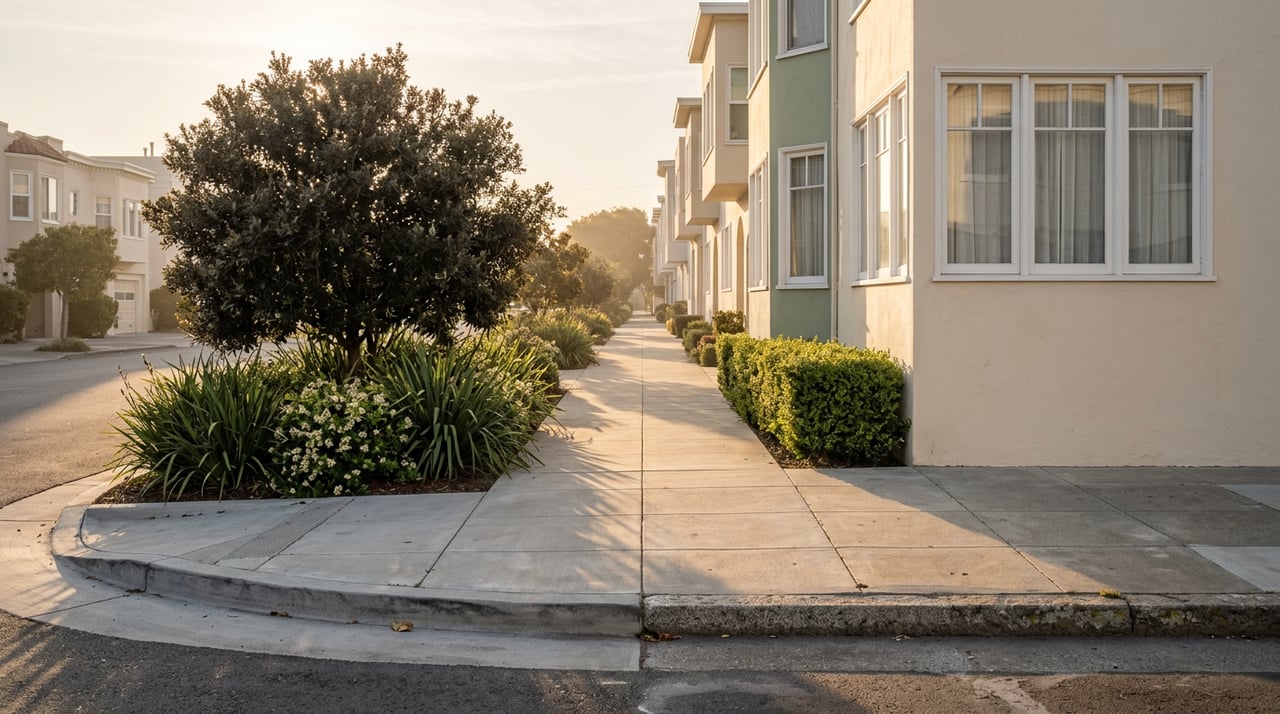
If you are focusing on the western and outer portions, you will likely see more traditional houses. If you are looking closer to the eastern edge, you may see a wider mix of flats, condos, and other multi-unit buildings.
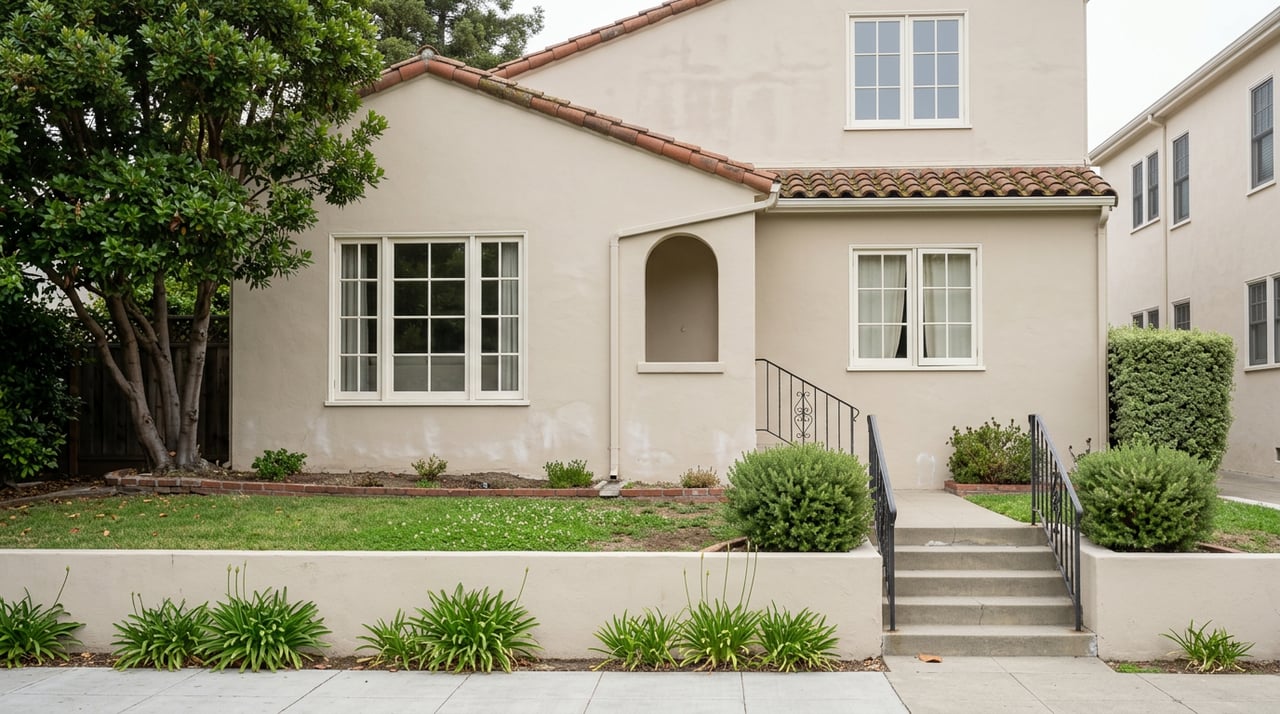
A lot of Sunset housing was built from the 1920s through the 1950s by merchant builders like Henry Doelger, Ray Galli, and the Gellert Brothers. According to SF Planning’s Oceanside historic context statement, these homes were designed to handle wind, fog, and salt.
That history still shapes what buyers see today. Many Sunset houses feel compact, efficient, and practical, with layouts that often include basement-level garages added over time.
This matters when you compare houses and condos. In the Sunset, a home’s exterior style does not always tell you how it is legally owned.
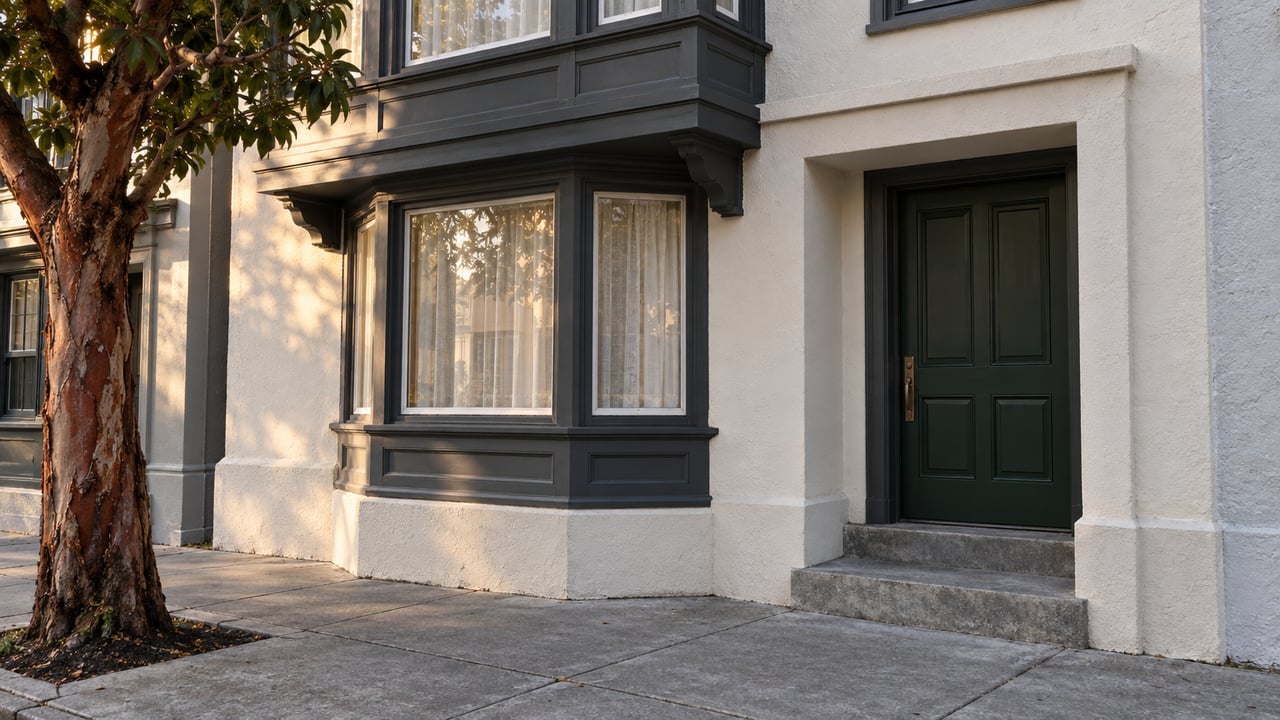
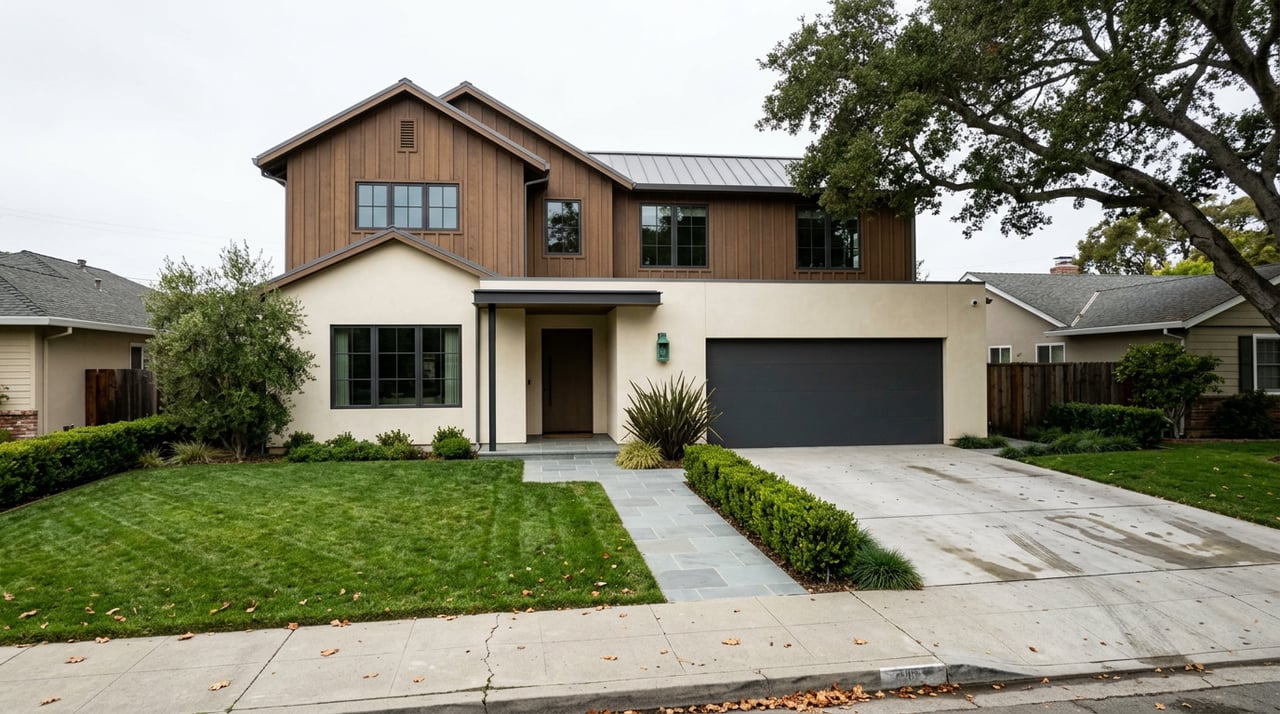
One of the most important points for Sunset buyers is simple: do not assume a house-shaped property is a standard single-family home. The California Department of Real Estate says a building that looks like a detached house can legally be a condo, planned development, or another common-interest property.
That means two homes with a similar look from the street may come with very different ownership rules. One may include exclusive ownership of the lot, while another may include ownership of a unit plus shared ownership of common areas.
Before you weigh price, layout, or future plans, verify the recorded ownership structure. That step can save you from making the wrong apples-to-apples comparison.
In a standard subdivision, the California Department of Real Estate says the homeowner has exclusive ownership of a lot or parcel. In practical terms, that often gives you more control over the yard, garage, storage, and future remodeling.
For many buyers in the Sunset, that control is a major reason to choose a house. If you want private outdoor space, a flexible lower level, or room to adapt the home over time, a house may fit your goals better.
This can be especially important if you want space for a home office, hobby area, garden, or storage that stays fully under your control. A house also may offer fewer rules than a common-interest development.
A condo works differently. The California Department of Real Estate defines a condominium as ownership of a separate unit along with shared ownership of common areas.
That shared structure can appeal to buyers who want a smaller footprint and less direct responsibility for exterior upkeep. If you prefer a home that is easier to lock up and leave, a condo may be the better fit.
Current inventory examples in the Sunset help illustrate that difference. Recent active condo listings have included two-bedroom units around 861 to 1,240 square feet, often with features like parking, a deck, or rooftop-style space.
When buyers start their search, it is easy to focus on bedrooms and bathrooms. In the Sunset, the better question is often how the space works for your day-to-day life.
Ask yourself what you actually need most:
For example, current home listings in the area have included a 3-bedroom, 2-bath home with a backyard and sunroom, along with a larger 4-bedroom, 3-bath view home with significantly more square footage. Those options serve very different lifestyles than a smaller condo with shared building elements.
If you are considering a condo, monthly HOA dues are only the starting point. The California Department of Real Estate says HOA membership in a common-interest development transfers automatically with the property, and the HOA manages the shared parts of the project.
The same guidance notes that HOAs are funded through regular assessments and may also impose special assessments for major repairs or unexpected expenses. That means your monthly cost picture can change over time.
When you review a condo, look closely at:
A lower list price can look appealing at first glance, but the full cost of ownership may be higher than expected if reserves are weak or large repairs are coming.
With a house, you usually take on more direct responsibility for the structure, lot, and systems. That can mean more freedom, but it also means more maintenance decisions land on your plate.
In the Sunset, that conversation matters even more because of the coastal environment. SF Planning’s historic context describes the area as exposed to wind, fog, and salt, which makes exterior condition especially important.
For house buyers, it is wise to pay close attention to items like:
If you like hands-on ownership and want control over repair timing and materials, a house can be a strong fit. If you would rather share some of that responsibility through an HOA structure, a condo may feel more manageable.
For many buyers, the biggest difference between a house and condo is not the current layout. It is what the property lets you do later.
Houses often suit buyers who want more flexibility for future use. That could mean room for a changing household, a yard for gardening or pets, or more freedom to remodel over time.
Condos often suit buyers who value lower-maintenance living and more predictable exterior upkeep. The tradeoff is that you need to be comfortable with HOA governance, shared decision-making, and building rules.
If long-term adaptability matters to you, ask whether you are buying for today’s needs alone or for the next five to ten years. That one question can quickly clarify which property type deserves more attention.
The Sunset market is not just competitive. It also offers very different supply levels depending on property type.
Recent market snapshots have shown 37 homes plus 1 early-access listing on the broader Sunset homes page, compared with just 6 active condo listings on the dedicated condo page. Redfin also describes Sunset as a most competitive market, with homes selling in about 13 days and about 28% above list price on average over the last three months.
That means you may need to move quickly once you find the right fit. It also means your decision is not only about preference. It is also about what is realistically available when you are ready to buy.
If you are choosing between a house and a condo in the Sunset, focus on a few practical questions.
A house may be the better fit if you want:
A condo may be the better fit if you want:
In the Sunset, these questions often matter more than the exterior look of the property. A detached-looking home can still be a condo, and a condo can sometimes live more like a house than you might expect.
Choosing well starts with understanding what you are actually buying, how you plan to live, and how much control you want over the property long term.
If you want help comparing Sunset houses and condos with a neighborhood-specific strategy, Mandy Lee offers thoughtful, high-touch guidance grounded in local market knowledge and clear, practical advice.
Stay up to date on the latest real estate trends.
Innovative real estate maven hailing from the heart of San Francisco. Born and raised in this iconic city, I use my deep local roots with modern strategies, reshaping the real estate landscape. With an intimate knowledge of the city's diverse neighborhoods and a knack for design, she's your guide to finding the perfect property match.