A Guide to Sunset District San Francisco Lifestyle
June 25, 2026
June 25, 2026
Do you want San Francisco access without the pace of its busiest districts? The Sunset offers a different rhythm, one shaped by foggy mornings, long beach walks, practical commercial corridors, and a strong residential feel. If you are wondering what day-to-day life here is really like, this guide will help you picture the routines, atmosphere, and amenities that define the neighborhood. Let’s dive in.
The Sunset sits on San Francisco’s west side, bordered by Ocean Beach on the Pacific edge and Golden Gate Park to the north. City planning materials describe it as San Francisco’s largest neighborhood at about 4.5 square miles, with areas like Inner Sunset, Outer Sunset, and Parkside.
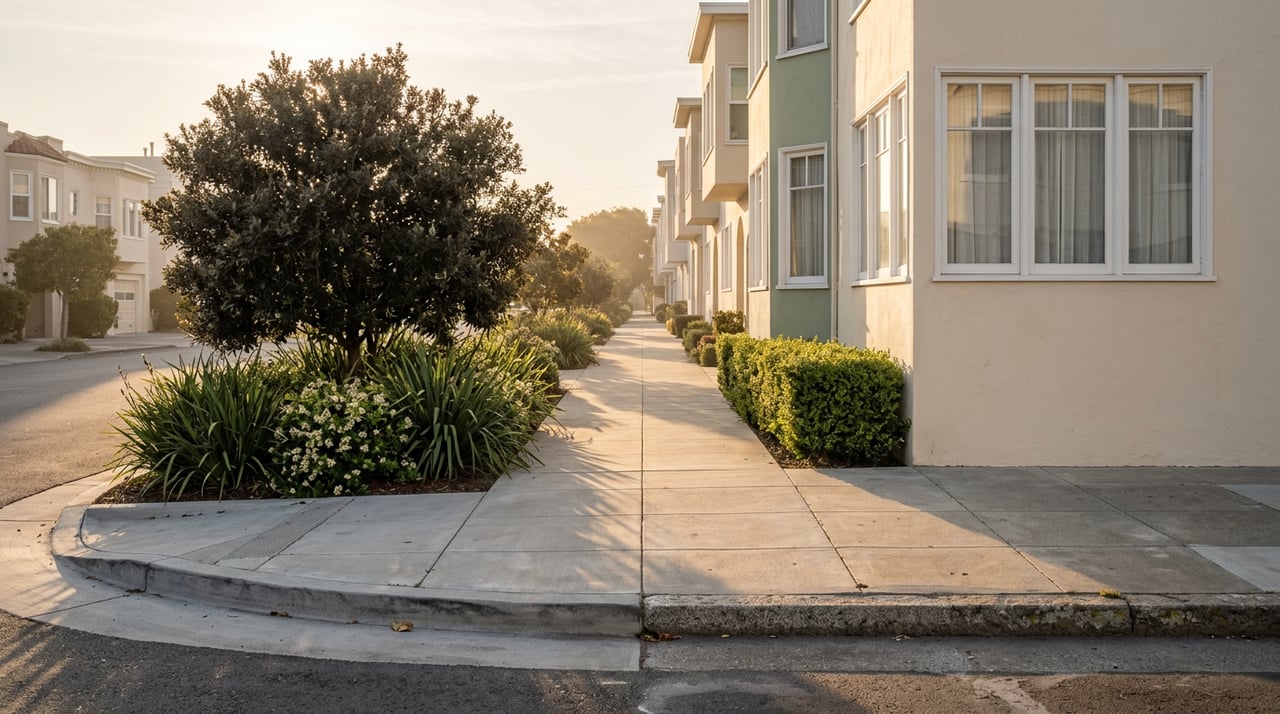
That geography shapes the way the neighborhood feels. Instead of reading like a compact downtown district, the Sunset feels broad, residential, and tied to long edges of open space. You notice the beach, the park, and the stretch of homes as much as you notice any one commercial area.
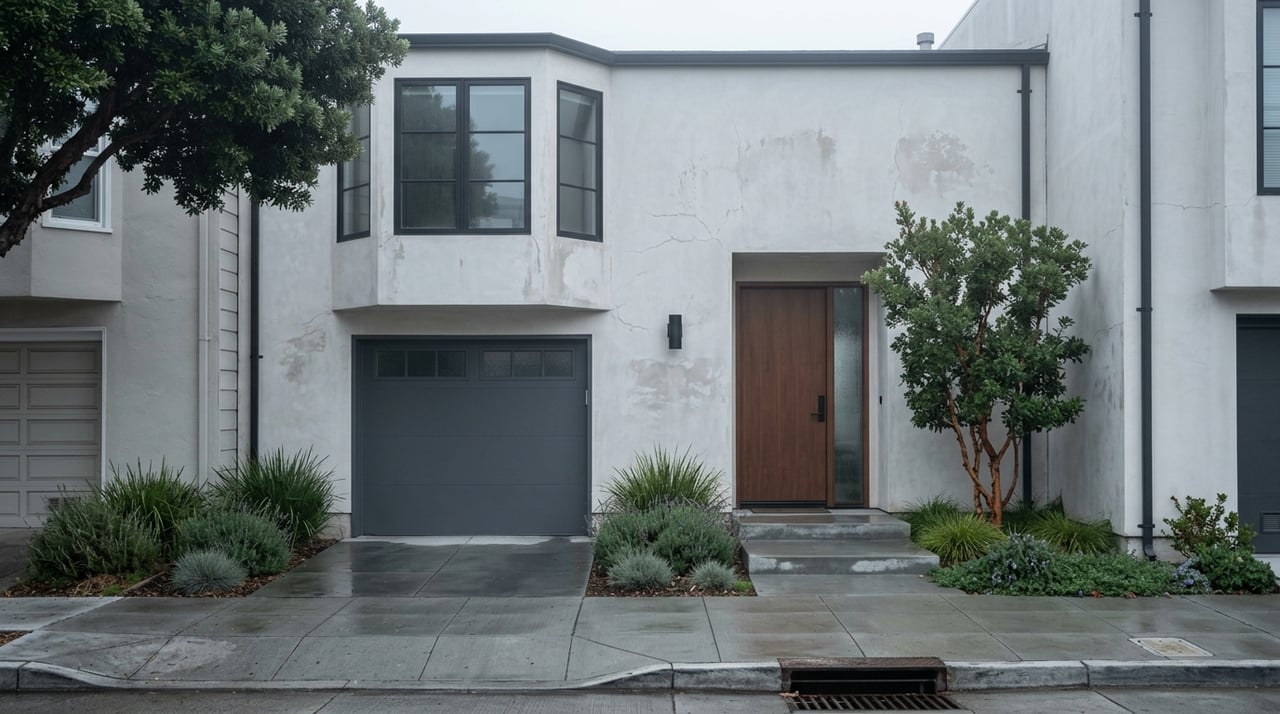
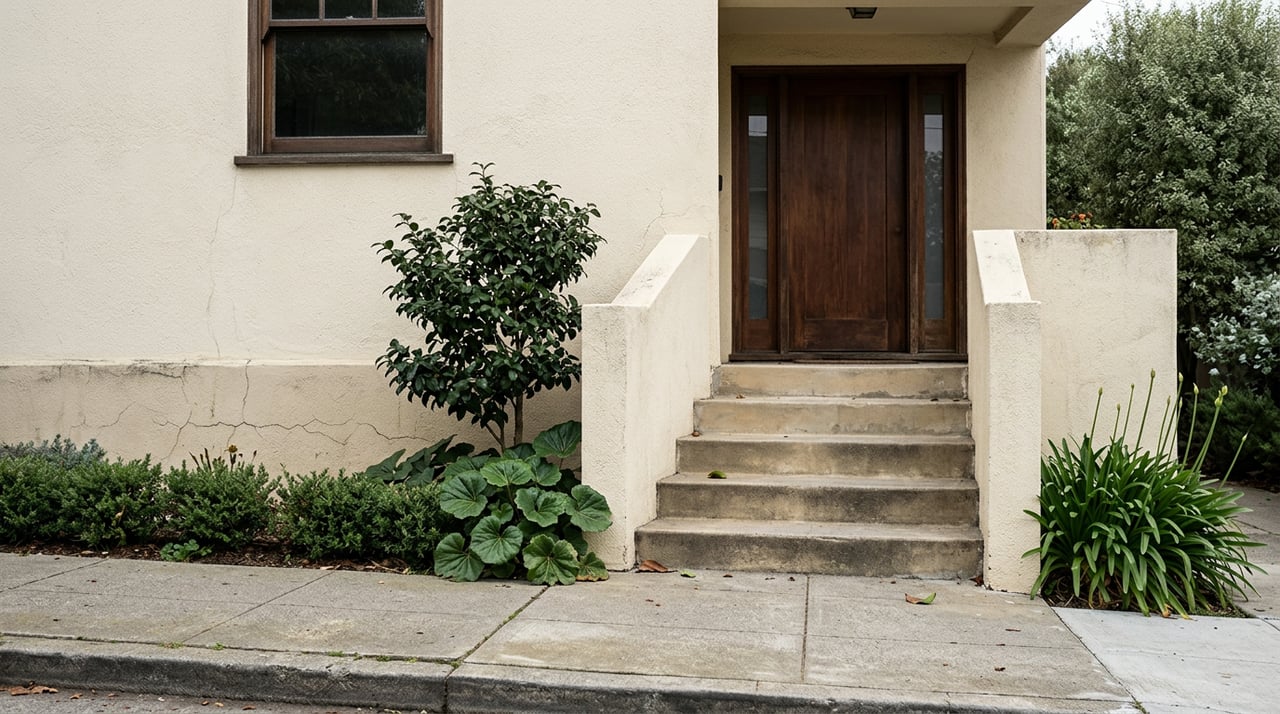
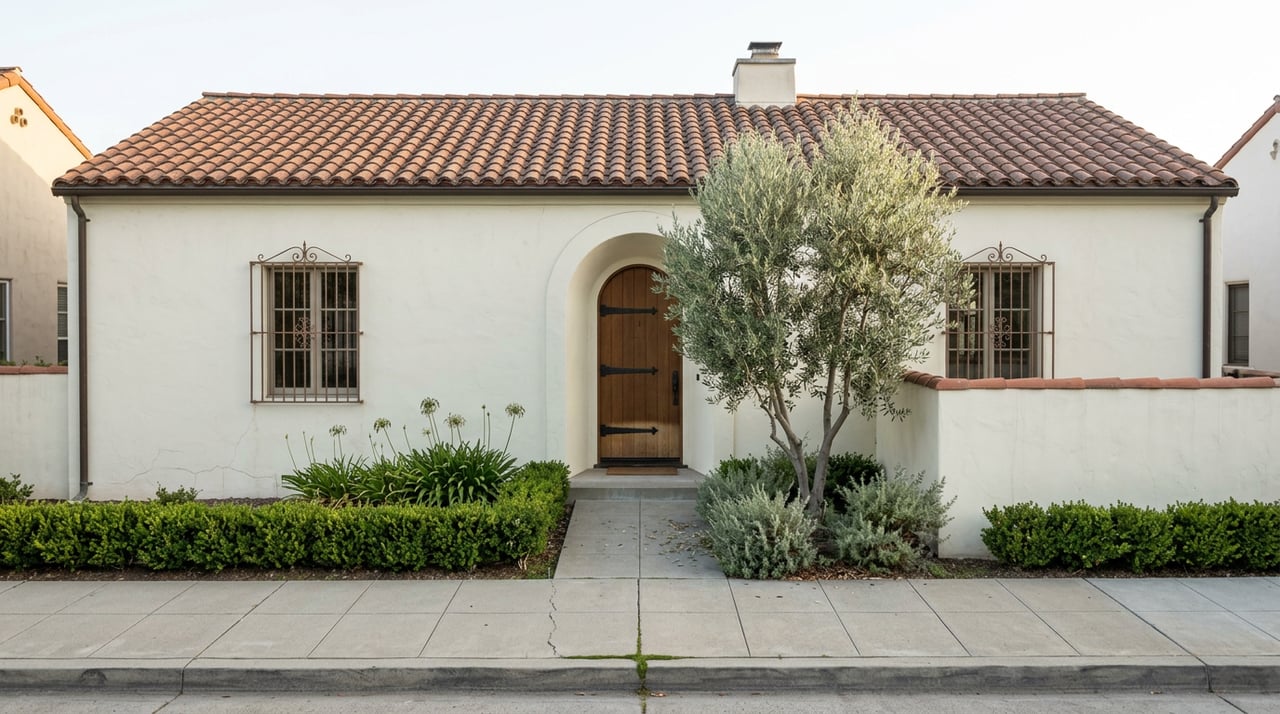
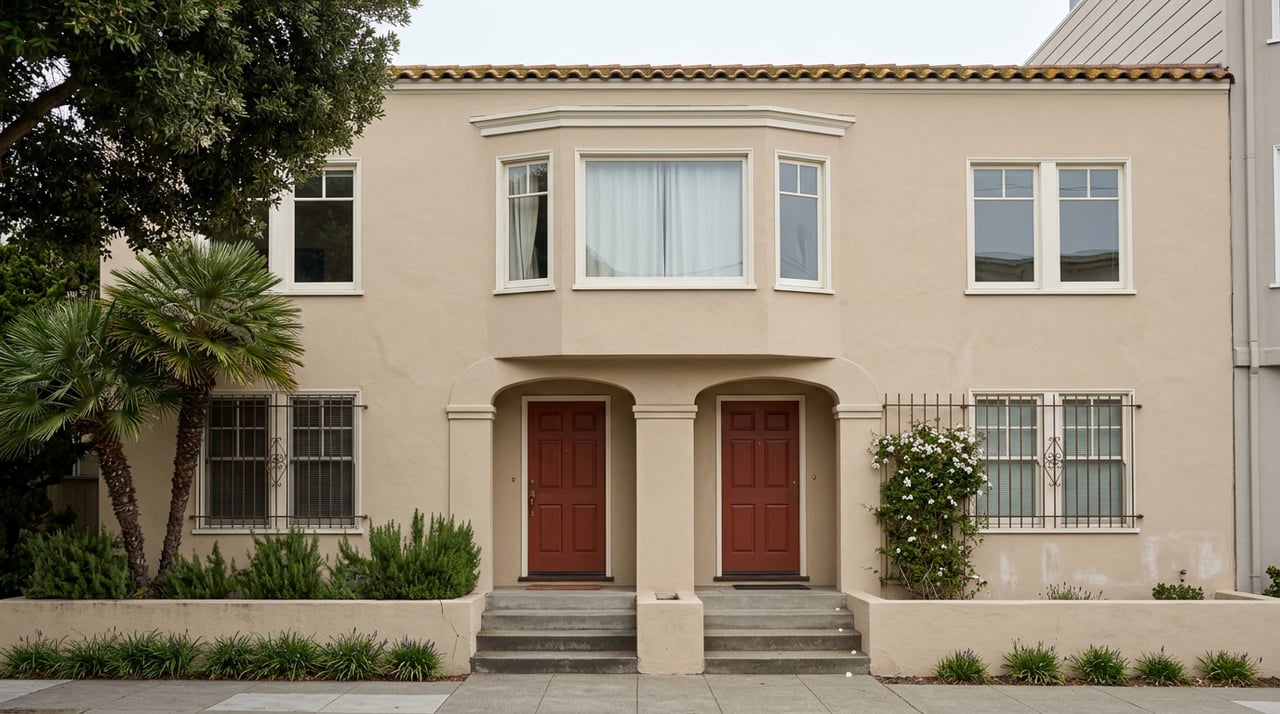
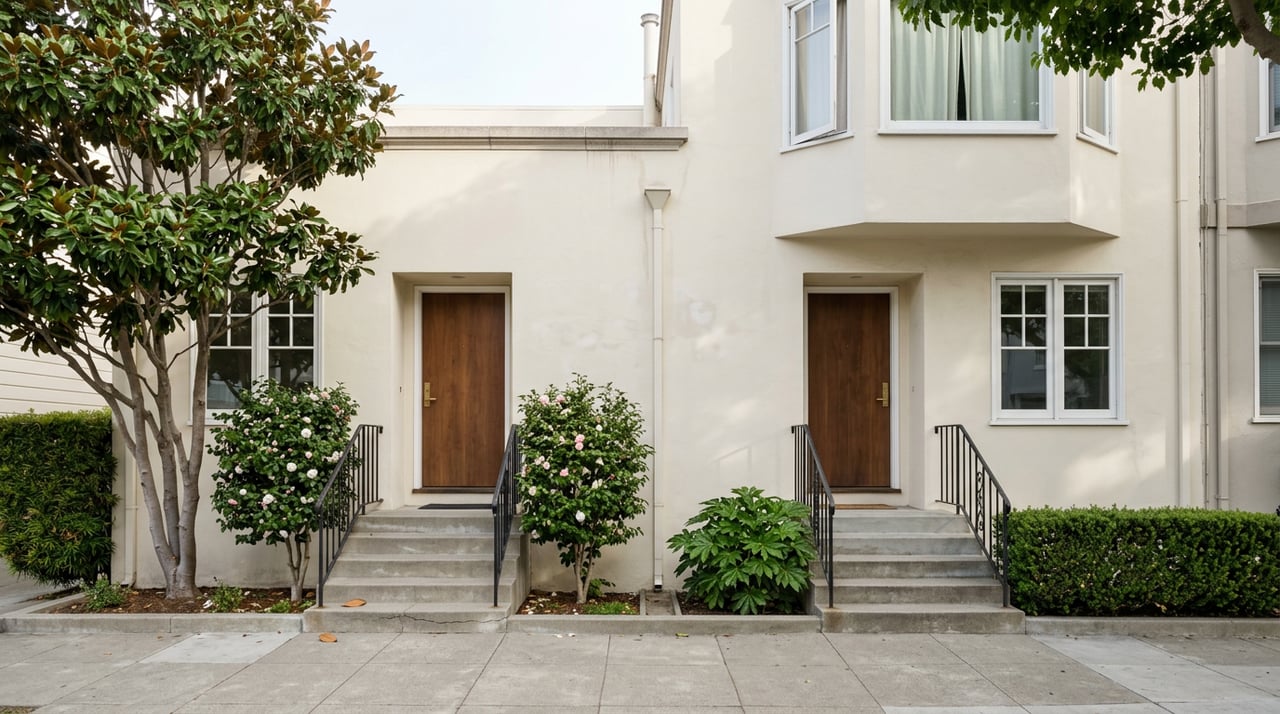
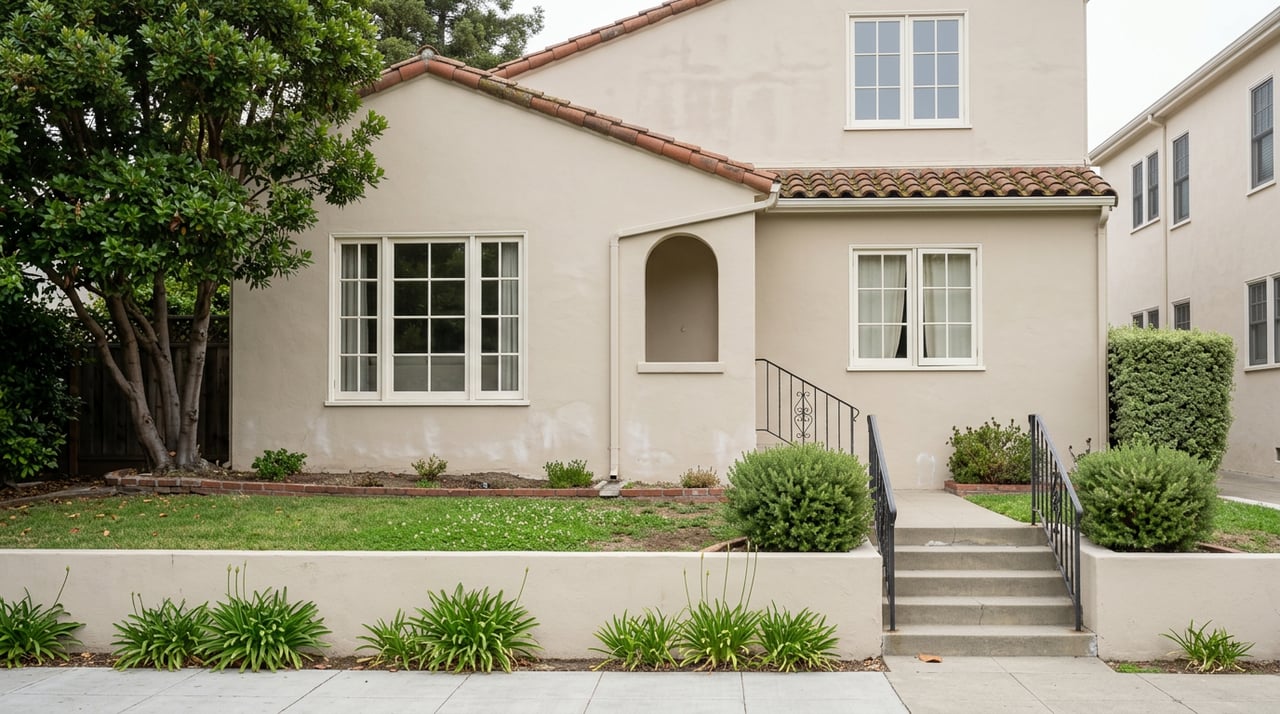
Much of the neighborhood’s housing was built between 1925 and 1950. Planning materials describe rows of similarly massed single-family houses influenced by streetcar access and postwar growth, which helps explain why the Sunset feels consistent, neighborhood-scaled, and rooted in daily routine.
If you spend time in the Sunset, you quickly learn that the weather is part of the lifestyle. Ocean Beach is often fogged in through late spring and summer, and temperatures frequently stay in the 50s.
That means everyday life here often calls for layers, windbreakers, and a flexible mindset about sunshine. Even on warm days elsewhere in the city, the Sunset can feel cool and breezy.
This coastal climate also changes how people use the shoreline. Ocean Beach is more about walking, watching the surf, flying kites, and taking in the views than casual swimming. The result is a neighborhood rhythm that feels outdoorsy, but in a calm, bundled-up San Francisco way.
Ocean Beach is one of the Sunset’s defining amenities. The National Park Service describes it as a 3.5-mile stretch along San Francisco’s western border, next to Golden Gate Park.
Because the water is frigid and currents can be hazardous, the beach functions more as a place to stroll, pause, and enjoy the coastline than a typical swim beach. For many residents, that means quick walks, longer weekend outings, and regular sunset check-ins become part of the routine.
This is one of the biggest lifestyle differences in the Sunset. You are not just near open space. You are near a dramatic, daily-use coastline that shapes the mood of the whole neighborhood.
A major recent addition is Sunset Dunes, which opened on April 12, 2025. According to San Francisco Recreation and Park, it is a 2-mile, 50-acre oceanfront park stretching from Sloat Boulevard to Lincoln Way.
The park is designed for walking, biking, strolling, and relaxing along the coast. It also includes a skate space, bike skills course, pump track, children’s nature area, seating, public art, and bike parking.
That gives the Sunset an even stronger outdoor identity. For residents, it means more room for low-key recreation and a more pedestrian-friendly experience along the oceanfront.
Golden Gate Park is another major part of everyday life in the Sunset. San Francisco Recreation and Park describes it as a 1,017-acre urban park that stretches three miles from Haight-Ashbury to Ocean Beach and borders the neighborhood.
Living near that kind of open space changes your options in a practical way. A walk, bike ride, picnic, or casual outing can fit easily into the middle of your day instead of requiring a special plan.
Smaller parks add to that pattern. Grandview Park, Sunset Playground, and South Sunset Playground contribute hilltop views, play areas, courts, turf fields, and recreation programming that support neighborhood-scale routines.
One thing that stands out in the Sunset is how daily errands are organized. Instead of one central downtown-style retail core, everyday shopping and dining tend to cluster along several main corridors.
San Francisco planning and city sources point to Noriega, Irving, Judah, Lawton, and Taraval as key commercial streets. Taraval alone has more than 200 businesses, and city materials describe it as a place to shop small and support local businesses.
That layout makes the Sunset feel practical and spread out in a helpful way. You are more likely to build habits around a nearby corridor for coffee, takeout, groceries, or services than around one single destination.
Each corridor helps support everyday life in a slightly different way, but together they create a strong local infrastructure. Planning code describes Noriega as a neighborhood commercial district with convenience goods, services, restaurants, and professional offices.
SFMTA describes Irving as a backbone of the northern Sunset community. Taraval functions as both a commercial district and a residential corridor, which adds to the neighborhood’s live-near-what-you-need feel.
For buyers, this often translates into convenience without giving up a residential setting. For sellers, it helps explain why the Sunset appeals to people looking for both calm streets and usable neighborhood amenities.
The Sunset’s practical feel is not only about parks and shops. Public amenities also support daily life.
Parkside Library on Taraval offers books for all ages, teen services, and a large collection of Chinese-language materials. Staff language capacity includes English, Cantonese, Mandarin, Spanish, and Vietnamese as available.
That kind of amenity matters because it supports real routines. It adds another layer of convenience for households that value nearby services, multilingual access, and flexible neighborhood resources.
For a coastal neighborhood, the Sunset has broad transit coverage. SFMTA lists service on lines including L Taraval, N Judah, 7 Haight/Noriega, 18 46th Avenue, 28 and 28R 19th Avenue, 29 Sunset, 48 Quintara/24th Street, and 66 Quintara in the outer areas, with additional lines serving the Inner Sunset.
In everyday terms, that means you can often make neighborhood trips, park outings, and many city connections without depending entirely on a car. The transit network supports a lifestyle that feels more connected than the neighborhood’s laid-back atmosphere might suggest.
City improvements have also focused on walkability and accessibility. SFMTA’s completed streetscape and corridor projects on Irving, Judah, and Taraval added features like upgraded crossings, curb ramps, transit bulbs, landscaping, and improved roadway conditions.
When you put it all together, the Sunset offers a lifestyle that feels distinctly San Francisco but less hurried than some other parts of the city. The beach and parks create breathing room, the commercial corridors support practical daily habits, and transit helps keep the neighborhood connected.
The weather is part of the deal, and so is the neighborhood’s wide, residential character. If you like the idea of cool coastal air, local routine, and open space woven into daily life, the Sunset stands out for exactly those reasons.
If you are thinking about buying or selling in the Sunset, working with someone who understands the neighborhood block by block can make a real difference. For tailored guidance and local insight, connect with Mandy Lee.
Stay up to date on the latest real estate trends.
Innovative real estate maven hailing from the heart of San Francisco. Born and raised in this iconic city, I use my deep local roots with modern strategies, reshaping the real estate landscape. With an intimate knowledge of the city's diverse neighborhoods and a knack for design, she's your guide to finding the perfect property match.