Trying to compare a Marina condo and a single-family home on true monthly cost, not just list price? You’re not alone. Between HOA dues, insurance, utilities, and parking, the numbers can look very different once you stack them side by side. In this guide, you’ll learn every line item to include, how Marina-specific rules affect your budget, and a simple worksheet you can use to get to a clear total. Let’s dive in.
What monthly cost really includes
Your monthly carrying cost is more than a mortgage payment. It includes recurring bills and periodic items averaged monthly.
- Mortgage principal and interest
- Property taxes
- Insurance: homeowners (HO-3) or condo interior (HO-6) and earthquake
- HOA dues for condos, or none/limited dues for many houses
- Utilities: electricity, gas, water, sewer, trash, internet
- Maintenance and repairs, plus reserves for big projects
- HOA reserves and potential special assessments for condos
- Parking, permits, and storage when applicable
Key takeaway: Condos shift some costs into HOA dues. Single-family homes shift more into variable maintenance and separate utilities.
Marina cost drivers to know
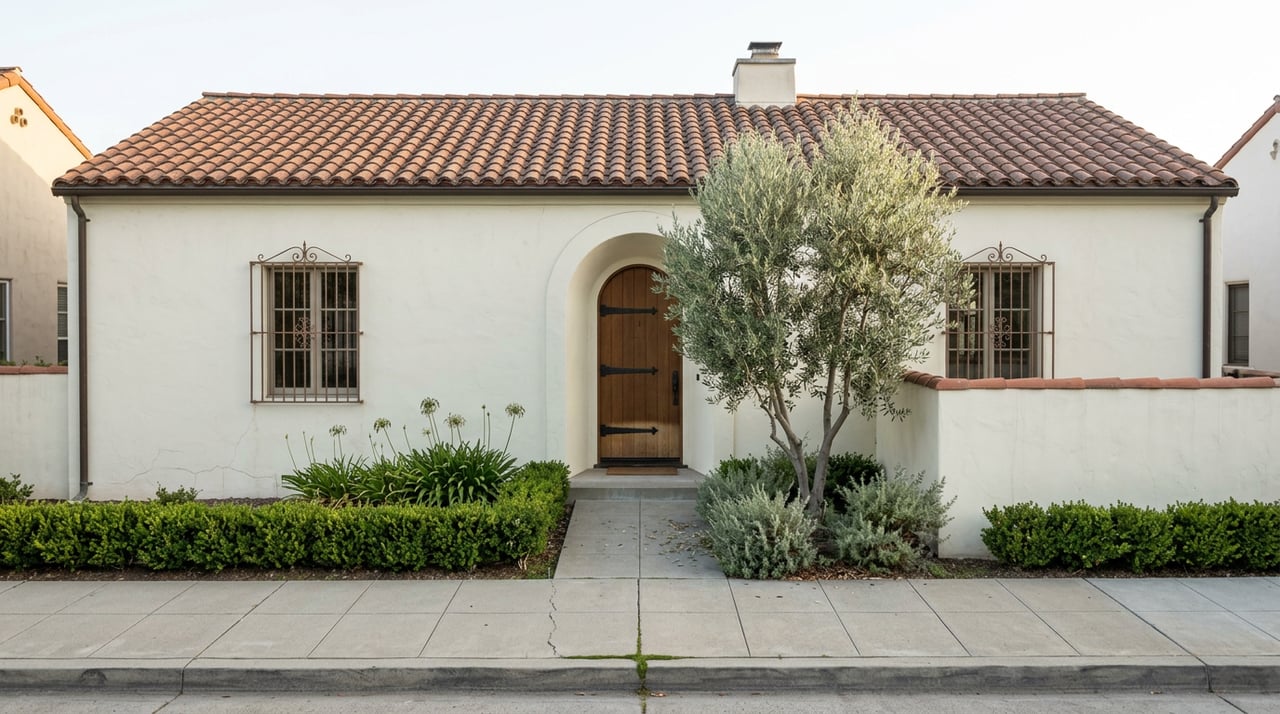
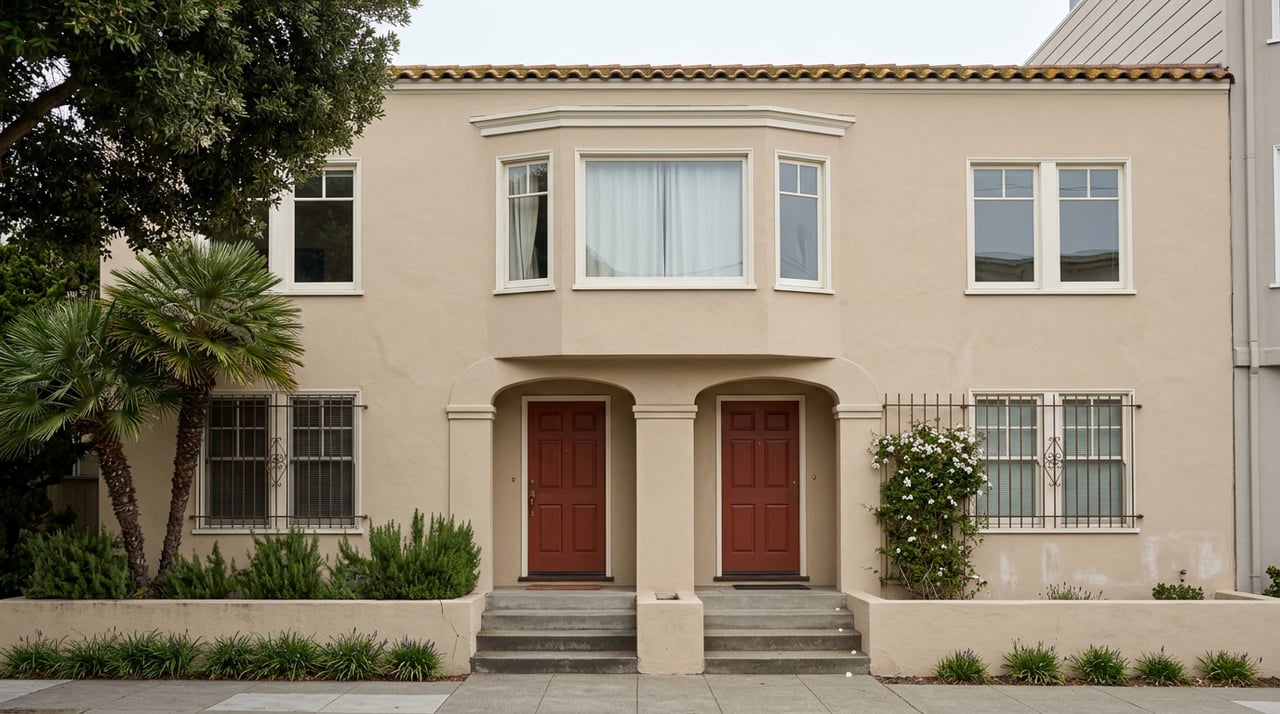
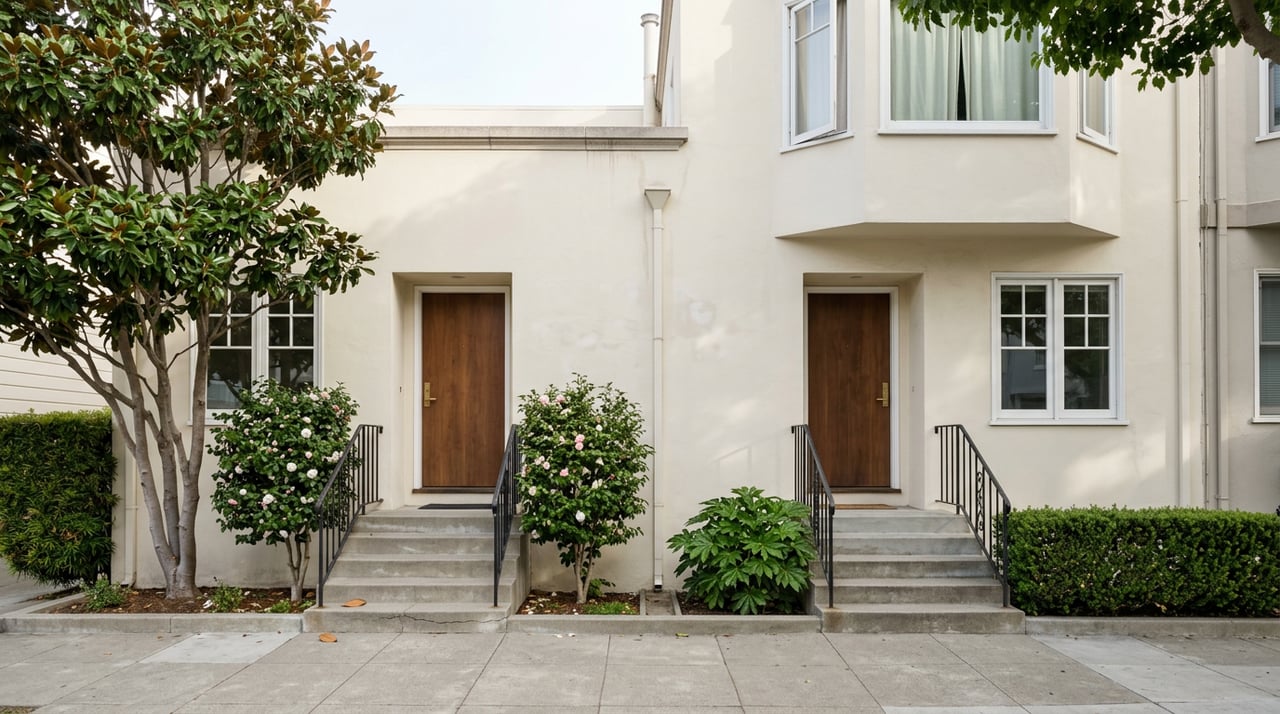
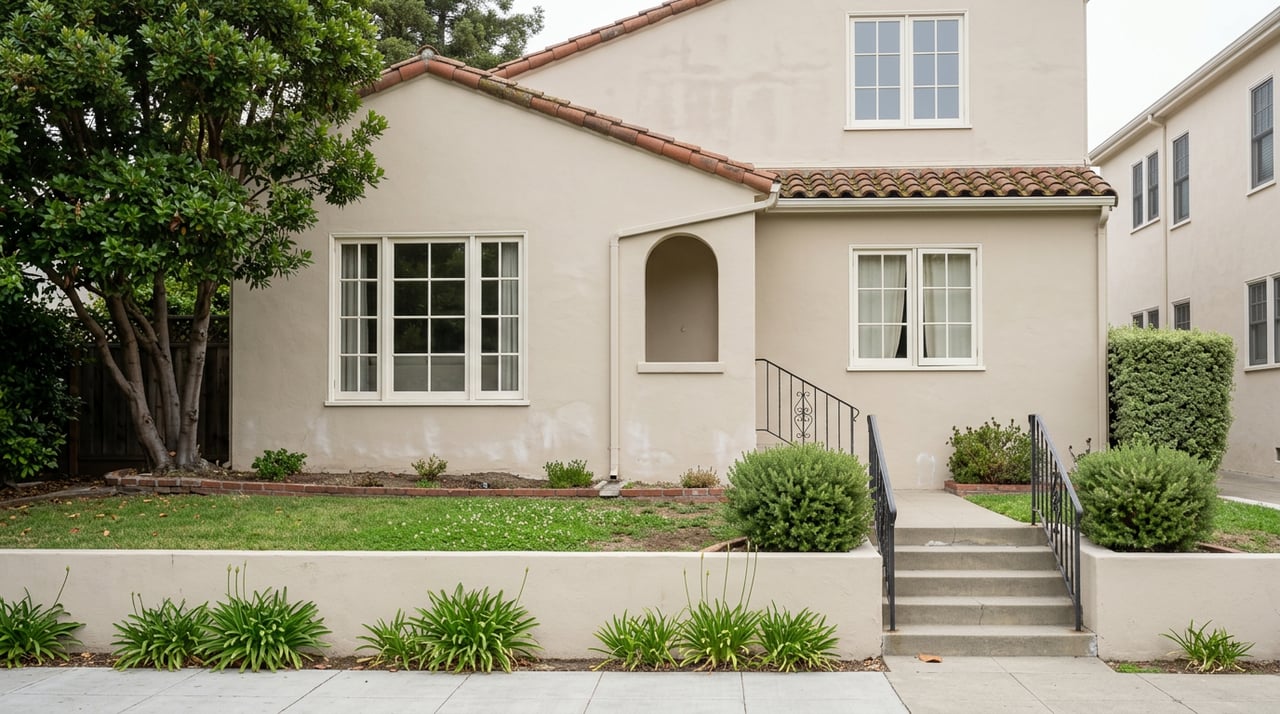
The Marina District has a mix of low-rise condo buildings and single-family homes. Age, seismic retrofit status, and building size influence HOA dues and insurance exposure.
- Property tax: In California, Proposition 13 sets a base 1% rate of assessed value at purchase, plus voter-approved assessments that raise the total billed rate above 1%. See the San Francisco Treasurer & Tax Collector for local tax mechanics and billing.
- HOAs and disclosures: Condos are governed by the Davis-Stirling Act, which requires budgets, reserve studies, and meeting minutes to be available to buyers. Review details under the Davis-Stirling Common Interest Development Act.
- Earthquake coverage: Highly relevant in San Francisco. Learn deductible structures and coverage options through the California Earthquake Authority.
- Insurance market: For homeowner and condo insurance guidance, see the California Department of Insurance.
- Utilities: Electricity and gas from PG&E. Water and sewer from SFPUC. Trash service through Recology San Francisco. Some HOAs include water, trash, or gas.
- Parking: Residential permit areas are managed by SFMTA. Private garage rentals or building parking can add to monthly cost.
Line-by-line: estimate your numbers
Use the property’s actual figures wherever possible, then apply conservative estimates where you need quotes.
Mortgage principal and interest
- Inputs: purchase price, down payment, interest rate, term.
- What to do: Use your lender’s calculator for monthly P&I. Condos sometimes have stricter underwriting, which can affect loan options.
Property taxes
- Formula: monthly property tax = (assessed value × total tax rate) ÷ 12.
- Notes: Base 1% under Prop 13 plus local assessments. Check the San Francisco Treasurer & Tax Collector or seller’s most recent bill for the total rate.
HOA dues (condos) or HOA for houses
- Condo dues typically include the master insurance policy for the building, common area maintenance, reserves, exterior repairs, and sometimes water, trash, gas, or staffing.
- Always verify what is included. If water, trash, or gas are included, reduce your separate utility estimates accordingly.
Homeowners insurance: HO-3 vs HO-6
- Single-family: HO-3 covers the structure, other structures, personal property, and liability.
- Condo: HO-6 covers interior improvements, personal property, and liability because the HOA’s master policy covers the building shell and common areas.
- HO-6 premiums are typically lower than HO-3 for comparable values. For guidance on coverage and quotes, consult the California Department of Insurance.
Earthquake insurance
- Many homeowners choose separate earthquake coverage. Condo owners may also need coverage for interior improvements and to address any master policy deductible exposure.
- Deductibles are often a percentage of coverage. Explore options through the California Earthquake Authority.
- Monthly estimate: annual premium ÷ 12.
Utilities
- Electricity and gas: Estimate with PG&E usage tools or seller bills.
- Water and sewer: Check building inclusions. If separate, use SFPUC rate info.
- Trash: Confirm if included in HOA. If not, see Recology San Francisco.
- Internet/cable: Add based on your chosen ISP plan.
Maintenance and repairs
- Single-family: Budget a percentage of home value per year as a planning tool. Many owners start at 1% and adjust for age and condition.
- Condo: Lower interior upkeep, but budget for appliances and finishes, plus any HOA special assessment risk. A range like 0.25% to 1% of unit value annually for interior items is a practical starting point.
- Monthly estimate: annual budget ÷ 12.
HOA special assessments and deductible exposure
- Review HOA meeting minutes and reserve study to gauge upcoming projects and the master policy deductible.
- If a project is likely, estimate a monthly set-aside by taking the expected assessment amount × your estimate of probability, then ÷ 12.
Parking and permits
- Check whether the property includes a garage space, whether a separate monthly parking fee applies, or if you will use street parking.
- Add the prorated cost of any SFMTA residential parking permits and any garage rental.
Condo vs single-family: key differences
- HOA dues: Condos consolidate costs like building insurance, exterior maintenance, reserves, and sometimes water, trash, or gas into one monthly line. Houses typically do not have these dues, so those costs show up in utilities and maintenance.
- Insurance: Condo owners usually pay lower HO-6 premiums because the master policy covers the building shell. House owners carry HO-3 for the entire structure.
- Maintenance: House owners cover roof, exterior, yard, and systems. Condo owners focus on interior items but should plan for special assessments.
- Earthquake: Whether condo or house, consider separate coverage. Confirm if the HOA carries a master earthquake policy and what the deductible means for owners, then plan your own coverage accordingly via the California Earthquake Authority.
Build your worksheet
Use this structure to compare a specific condo and a specific house in the Marina. Plug in actual numbers from disclosures, quotes, and provider rates.
| Line item |
Condo |
Single-Family |
| Mortgage P&I |
Lender estimate |
Lender estimate |
| Property tax (monthly) |
(assessed value × total rate) ÷ 12 |
(assessed value × total rate) ÷ 12 |
| HOA dues |
From HOA packet; note inclusions |
If applicable |
| Insurance |
HO-6 premium ÷ 12 |
HO-3 premium ÷ 12 |
| Earthquake insurance |
Annual premium ÷ 12 |
Annual premium ÷ 12 |
| Electricity/gas |
Adjust if HOA includes gas |
Full PG&E estimate |
| Water/sewer |
Often included; confirm |
SFPUC estimate |
| Trash |
Often included; confirm |
Recology estimate |
| Internet |
Your plan |
Your plan |
| Maintenance reserve |
0.25–1% of value ÷ 12 |
1–3% of value ÷ 12 |
| HOA special assessment set-aside |
Based on minutes/reserve study |
Rare; if applicable |
| Parking/permits |
Included or prorated fee |
Permit and/or garage cost |
| Total monthly carrying cost |
Sum of all rows |
Sum of all rows |
Documents to request before you decide
For condos, the Davis-Stirling Act gives you rights to key HOA disclosures. Always request and review:
- HOA budget, current dues, and inclusions
- Reserve study and reserve balances
- Master insurance declarations, including deductibles
- Last 12 months of HOA meeting minutes
- Any pending litigation disclosures
- Notices of upcoming capital projects or assessments
- Seller’s last 12 months of utility bills, if available
You can learn more about HOA governance and disclosure duties under the Davis-Stirling Act.
Smart tips to avoid surprises
- Confirm every HOA inclusion, then subtract those services from your separate utility estimates.
- Align insurance apples to apples. Compare limits and deductibles, not just premiums. For guidance and shopping, see the California Department of Insurance.
- For earthquake coverage, get multiple quotes and understand percentage deductibles. Start with the California Earthquake Authority.
- Use actual bills where possible. Ask for seller PG&E histories, SFPUC water usage, and Recology service levels.
- Parking adds up. Price out SFMTA permits and any private garage fees.
When you look beyond sticker price and run the full worksheet, you can compare a Marina condo and a single-family home on equal footing. If you want help gathering the right documents, organizing quotes, or pressure-testing assumptions for a specific property, reach out to Mandy Lee for a clear, local perspective.
FAQs
How do property taxes work in San Francisco for new buyers?
- Under Proposition 13, the base rate is 1% of assessed value at purchase, plus local assessments. Divide the annual total by 12 for a monthly estimate. See the San Francisco Treasurer & Tax Collector for details.
Do Marina condo owners still need earthquake insurance if the HOA has coverage?
- Often yes. HOA master policies may not cover unit interiors or the deductible portion. Review the master policy and consider personal coverage through the California Earthquake Authority.
Why are HOA dues so different from one condo building to another?
- Dues reflect building age, amenities, staffing, included utilities, insurance costs, and reserve funding levels. Review the HOA budget, reserve study, and minutes under the Davis-Stirling Act.
How should a single-family homeowner budget monthly for maintenance?
- A common planning approach is 1–3% of home value per year, adjusted for age and condition. Divide by 12 to get a monthly set-aside.
Which utilities are typically included in Marina condo dues?
- It varies. Some HOAs include water, trash, gas, or even basic internet. Always confirm inclusions in the HOA packet and adjust your separate utility estimates.
What parking costs should I plan for in the Marina?
- Check if a deeded space is included. If not, budget for a private garage or street parking and the cost of any SFMTA residential parking permit, prorated monthly.