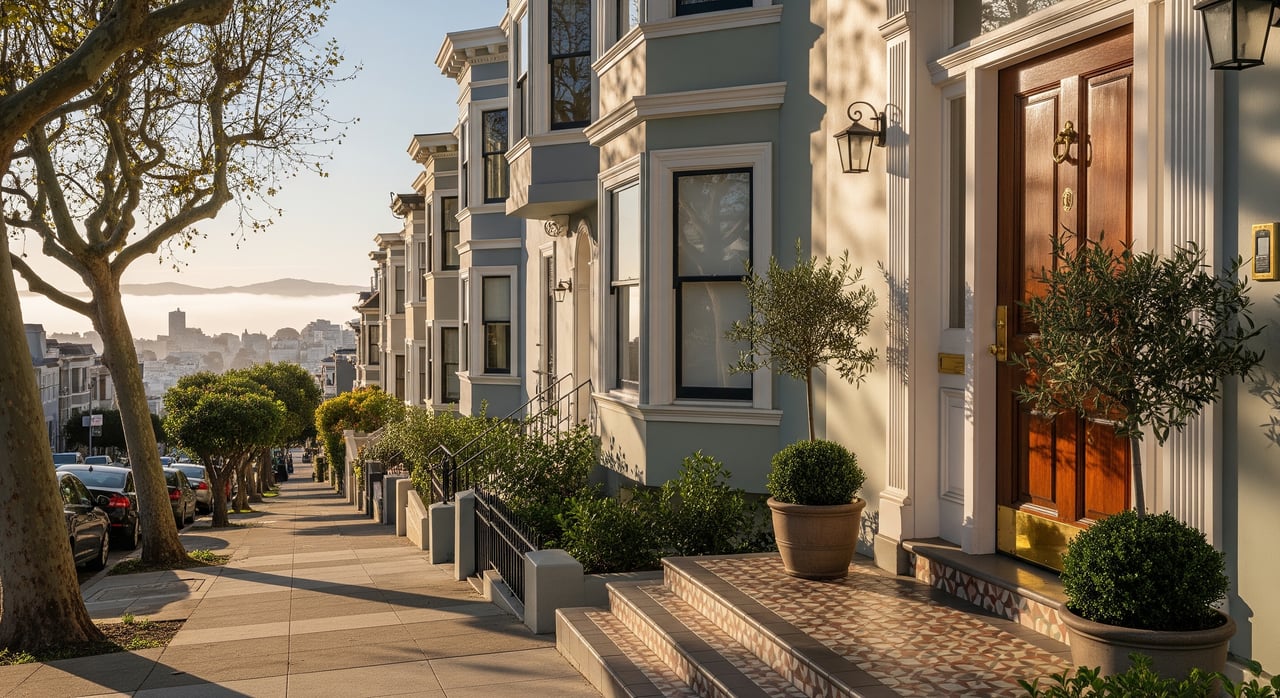
West Portal Lifestyle Guide to Everyday Village Living
February 5, 2026
February 5, 2026
What if your daily routine felt relaxed, connected, and easy to navigate without giving up city access? In West Portal, you get the rhythm of a small village paired with the reach of San Francisco. If you’re weighing a move, you want to know how the neighborhood actually lives day to day. This guide breaks down the flow of life near West Portal Village, from coffee runs and errands to transit, parks, and housing insights. Let’s dive in.
West Portal centers on a compact, walkable main street along West Portal Avenue. Independent merchants, familiar faces, and a slower pace define the experience. You see parents on the morning school run, neighbors grabbing coffee, and evening meetups at casual spots.
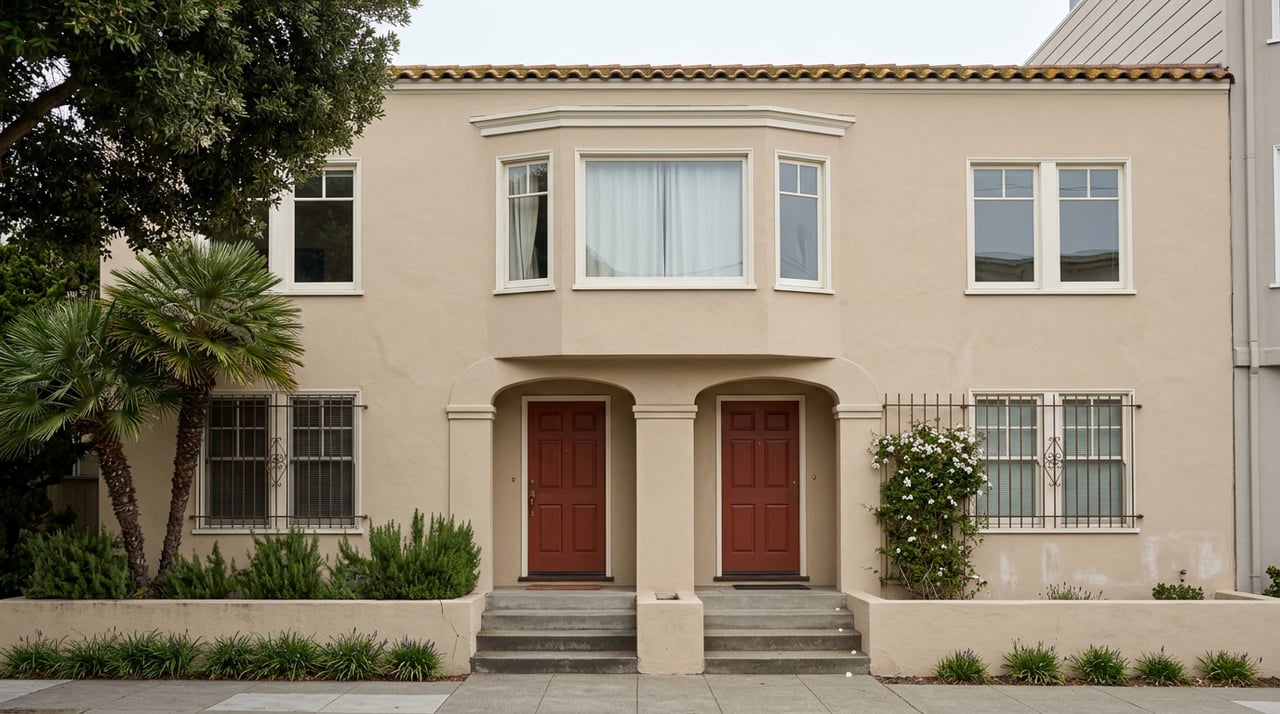
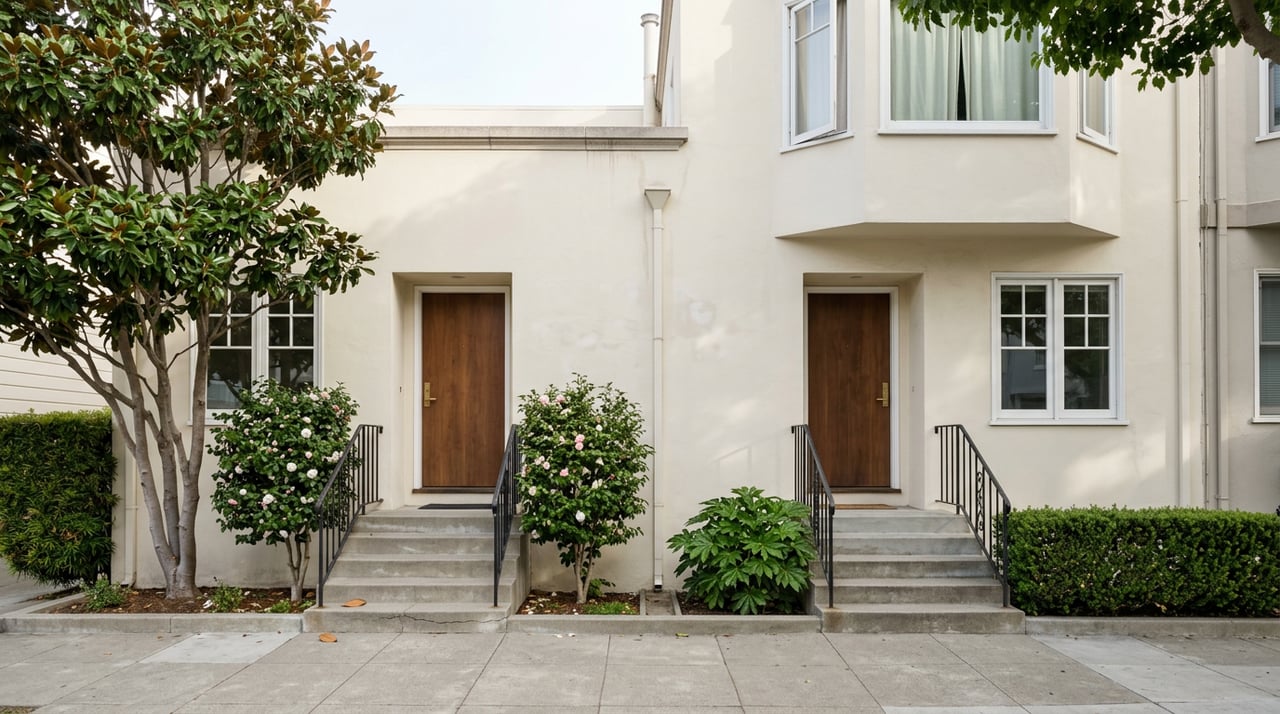
Most homes are low-rise and set on lots that feel more spacious than dense, central parts of the city. You’ll find single-family homes, small multi-unit buildings, and a few condos. Many residents value the calm, community-oriented character and the ability to handle daily needs within a few blocks.
Community groups and active merchants help shape the rhythm. Seasonal street events and promotions add to the sense of place and keep the “village” identity strong.
West Portal Avenue covers the basics for day-to-day living. You can pick up coffee, grab a quick lunch, handle a haircut or banking, and swing by a pharmacy or dry cleaner on the same short stretch.
Dining skews casual and convenient. It’s well suited for weeknight meals and takeout. If you want bigger nightlife or more variety, you’re a short ride from larger dining clusters elsewhere in the city.
Grocery access is a mix of small markets in the village and mid-size supermarkets in nearby corridors. Many residents combine walking for daily staples with quick drives for larger stock-up trips.
You can pivot from sidewalk to hillside in minutes. Nearby Twin Peaks, Mount Sutro, and surrounding hill trails offer easy hiking, striking viewpoints, and fresh air at sunrise or sunset. Small playgrounds and pocket parks serve quick breaks, dog walks, and kid time.
Golden Gate Park is reachable by car or transit when you want a larger day out. For many households, outdoor time becomes a simple part of the routine, not a special trip.
The neighborhood’s signature advantage is West Portal Station by the Twin Peaks Tunnel. Many residents rely on Muni Metro and buses for commute trips and errands. Walking to transit and the village is common.
Strengths include one-seat or short-transfer rides to core employment hubs and frequent service during peak periods. As in any city system, evening and late-night frequency can dip, and occasional service changes may affect timing. Planning your commute window helps keep things smooth.
Driving supports regional travel and errands beyond transit’s reach. Street parking is generally available, though spaces near the village core can be tight at peak times. If parking matters to you, look into local permit programs and consider garage options when comparing homes.
Cycling is possible, and some infrastructure exists. The nearby hills mean biking tends to suit experienced riders or those sticking to shorter, flatter routes.
You’ll meet a range of neighbors who share a preference for balance. Many households value the combination of transit access and a quieter home base. You also see long-term residents, professionals who commute to central areas, and buyers seeking single-family homes within city limits.
Empty-nesters and downsizers often appreciate the convenience of the village core and a stable neighborhood feel. Those drawn to community events and local shops tend to be right at home in West Portal.
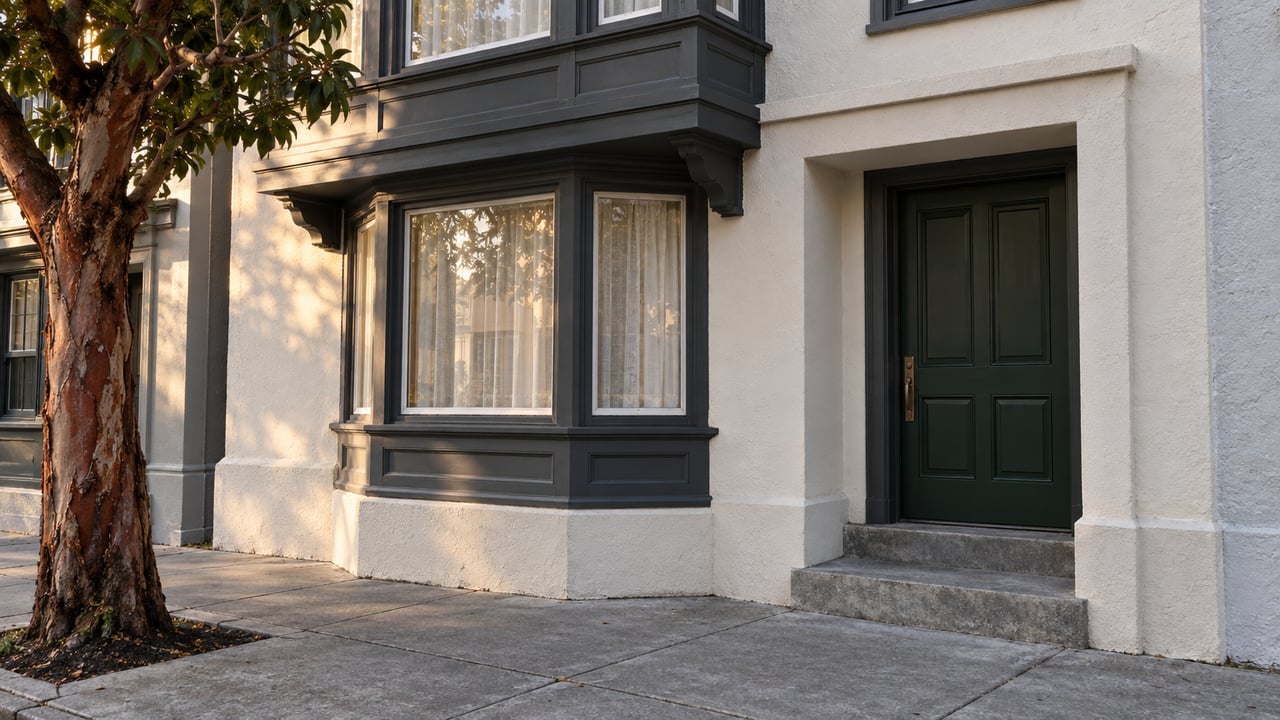
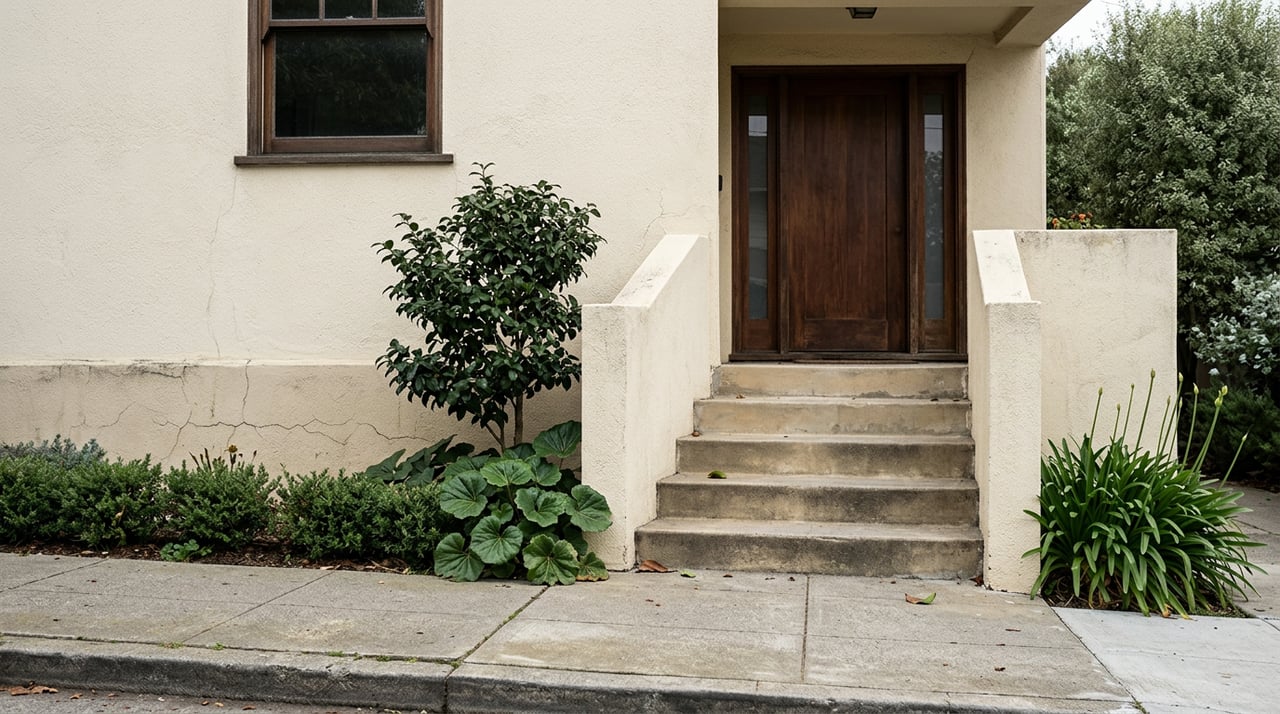
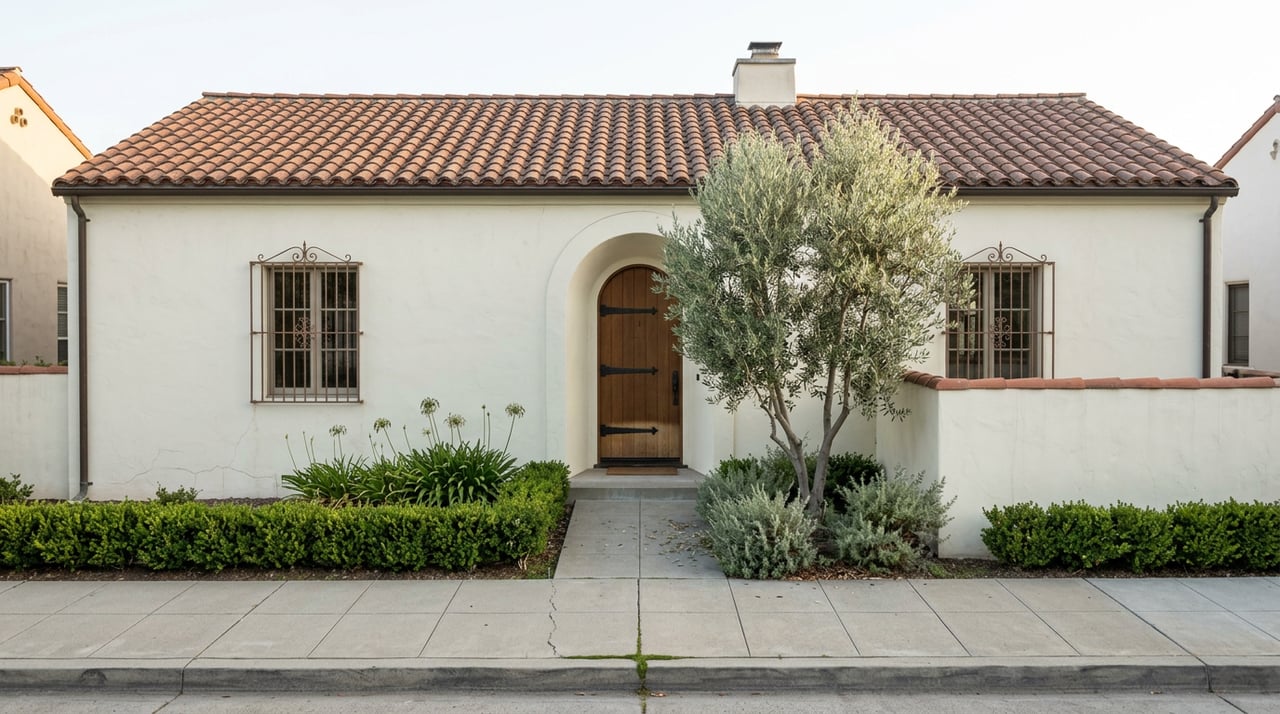
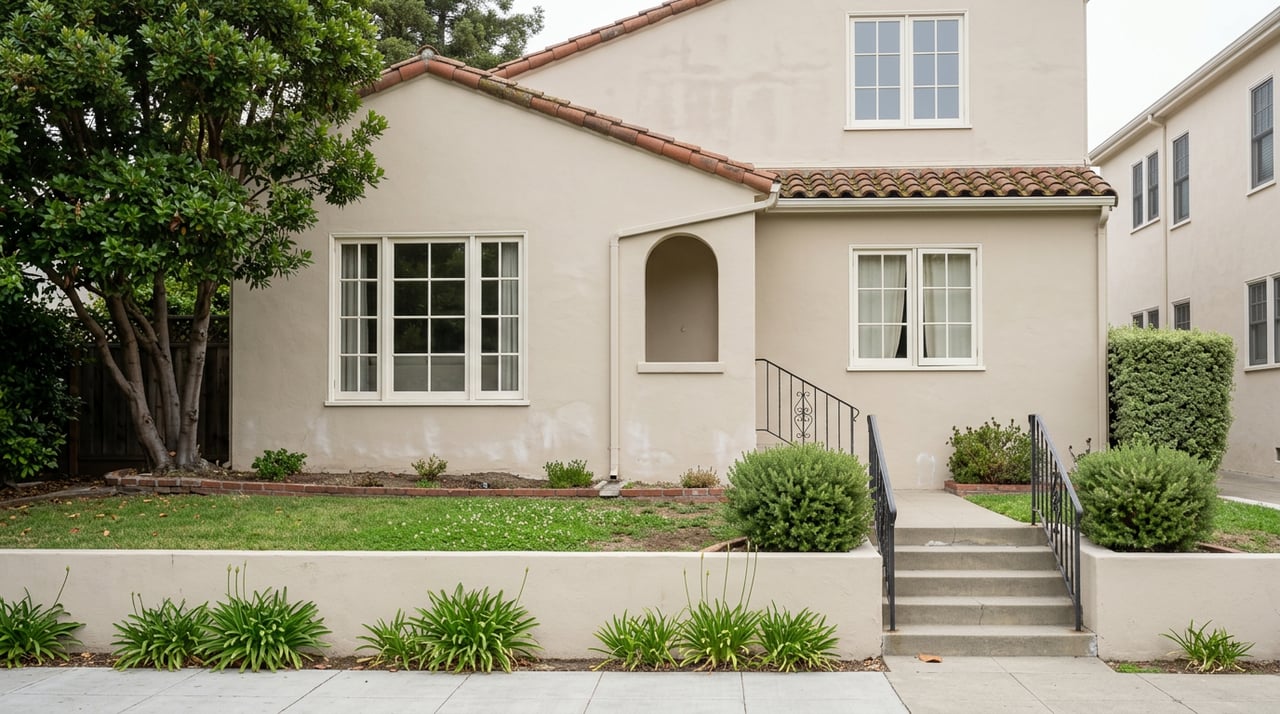
Housing is dominated by single-family homes with period character. Expect early 20th-century styles, from Edwardian influence to Mediterranean and Spanish-revival elements, plus mid-century remodels. Many properties retain original details alongside modern updates.
If you’re considering a purchase, factor in the age of the housing stock. Inspectors often flag seismic retrofitting needs as well as plumbing and electrical updates. It’s common to find well-cared-for homes that still benefit from targeted modernization.
Many households value walkability to schools and community resources. Public school boundaries and programs can change, so confirm the latest attendance maps and school details before you decide on a property. Plan your morning routine with pickup and drop-off logistics, and get to know local parent groups for neighborhood insights.
West Portal tends to hold interest thanks to its transit access, single-family stock, and village character. Limited inventory of detached homes can keep competition steady. Like any San Francisco neighborhood, market conditions respond to broader cycles, interest rates, and available listings. Your best move is to align timing, property condition, and location with your long-term goals.
Choose West Portal if you want a calmer neighborhood feel without giving up city convenience. You can live walkably for your daily needs, rely on transit for most commutes, and step into parks and hill trails when you crave fresh air. For many buyers, that balance is the real value.
Ready to map your next step in or near West Portal Village? Reach out for a tailored plan that blends market insight with design-forward presentation so you can move with confidence. Connect with Mandy Lee to start the conversation.
Stay up to date on the latest real estate trends.
Innovative real estate maven hailing from the heart of San Francisco. Born and raised in this iconic city, I use my deep local roots with modern strategies, reshaping the real estate landscape. With an intimate knowledge of the city's diverse neighborhoods and a knack for design, she's your guide to finding the perfect property match.