West Portal Kitchen Redesign for Entertaining: A Guide
October 16, 2025
October 16, 2025
Hosting friends in a classic West Portal home can feel magical, but older floor plans and compact kitchens can make playing chef and host at the same time a challenge. You want a space that keeps the conversation flowing, looks great in photos, and makes serving easy. In this guide, you’ll learn how to plan an entertainer kitchen that fits West Portal’s homes and microclimate, what permits and incentives to consider in San Francisco, how to budget and pace your project, and what matters most for resale. Let’s dive in.
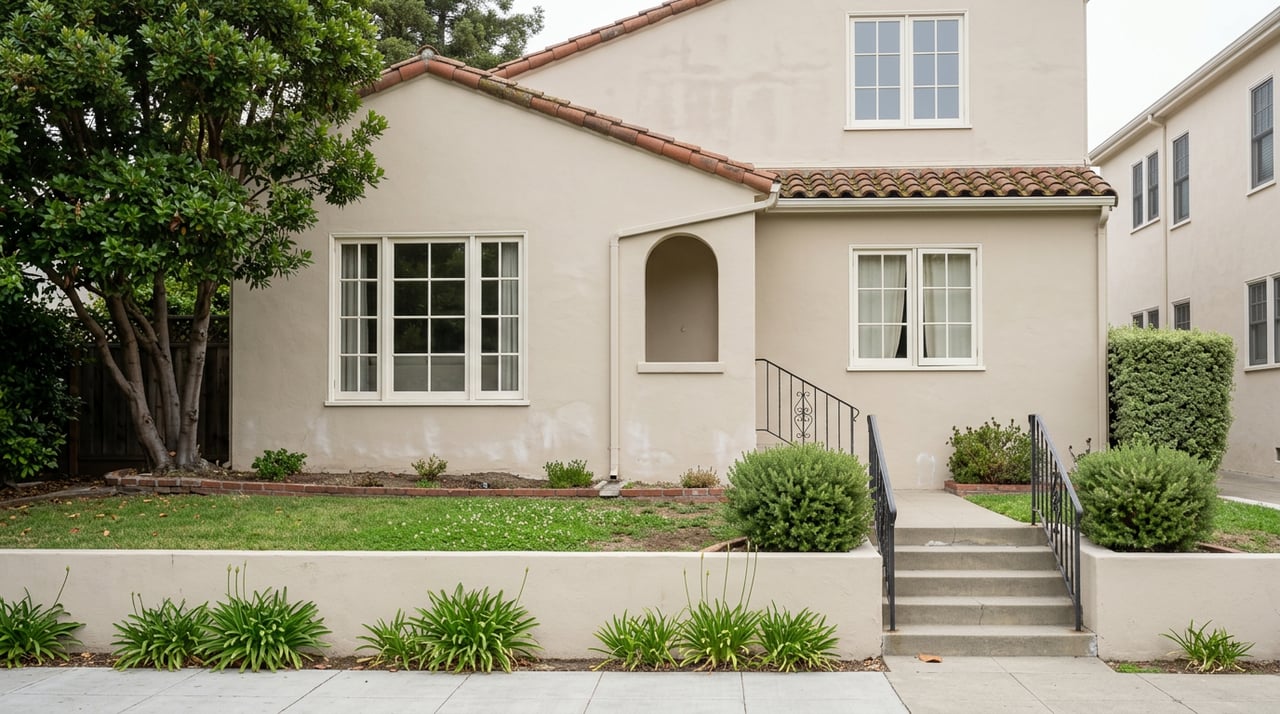
West Portal’s housing stock includes early 20th‑century bungalows and modest 1920s–1940s homes with defined rooms and smaller kitchen footprints. That means your design should elevate function without fighting the house. If full open‑plan isn’t feasible, focus on smart connections, durable finishes, and a strong social hub. You can keep period charm while creating a space that works for gatherings.
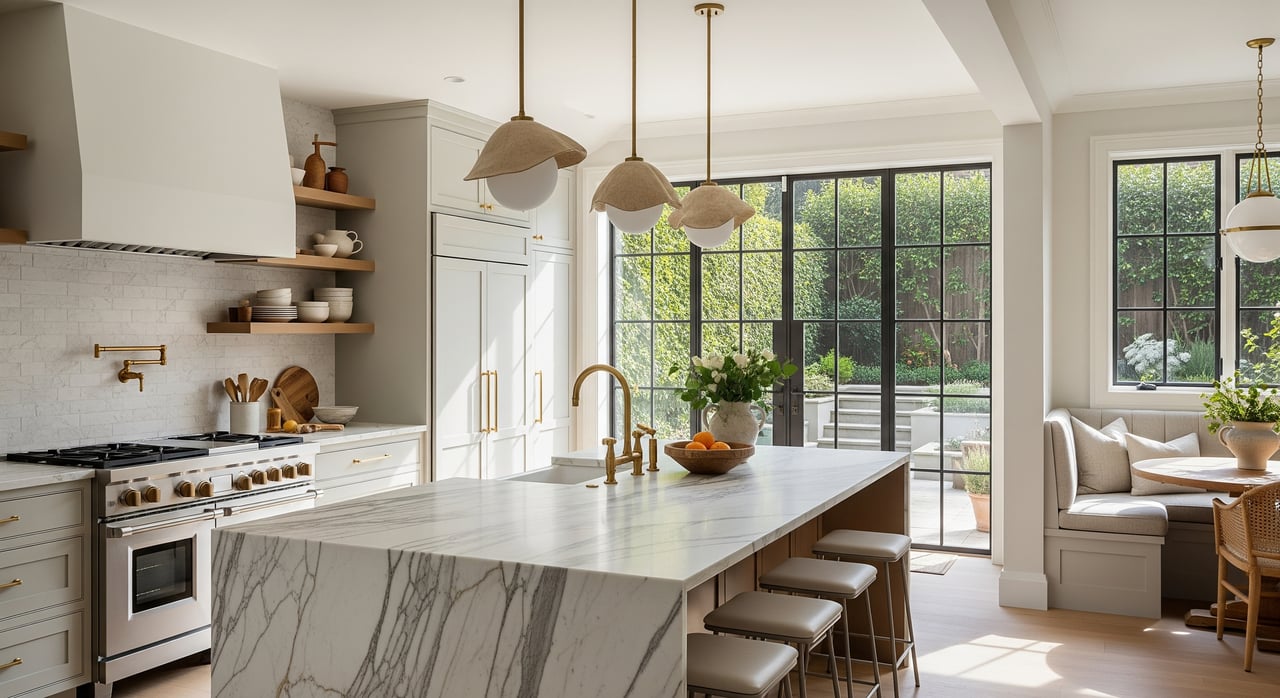
A large, multifunction island often becomes the social center. Industry research highlights islands with seating and dedicated serving space as a top priority for entertaining. Position seating so guests can chat without cutting through prep zones, and consider keeping the cooktop off the island to reduce splatter and crowding. See NKBA trend coverage on island planning for guidance on seating and lighting priorities from trade reporting.
Create a separate beverage or serving center so guests can help themselves. A small butler’s pantry, under‑counter refrigerator drawers, or a built‑in coffee and wine station keeps traffic out of the cook’s path. Integrated, panel‑ready appliances maintain a clean look that photographs well. Explore current appliance and layout trends in this overview from Architectural Digest.
Choose durable, low‑maintenance surfaces like quartz and resilient flooring that stand up to heavy use. Layered lighting is essential: combine ambient lighting, focused task lights, and a statement pendant over the island to set the mood. Quiet appliances also matter for conversation. Trade insights confirm that multiple lighting layers and sound control improve entertaining comfort in NKBA reporting.
Plan for clear “prep, cook, serve, seat” zones. Pull‑out trash and recycling, appliance garages, and generous drawers reduce clutter just before guests arrive. Even if you keep some walls, widen doorways or align sightlines so you can see and connect with the living or dining area.
West Portal homes are charming, but older systems can impact scope and budget. A little planning upfront saves surprises later.
During demolition, it’s common to discover knob‑and‑tube wiring, older plumbing, or conditions that call for structural work. Build a contingency and have your contractor assess panel capacity and potential seismic needs before finalizing scope. Regional reporting on Bay Area building vulnerabilities underscores why hidden conditions can surface in older structures as covered by KQED.
West Portal’s cooler, foggier conditions make indoor entertaining important year‑round, with thoughtful outdoor extensions. If you want indoor‑outdoor flow, consider a pass‑through window, French or slider doors, and a covered deck with heaters and layered lighting. Learn more about the local fog patterns that shape outdoor comfort here. For area context and housing history, review the neighborhood overview of West Portal.
Understanding San Francisco’s process helps you avoid delays and budget misses.
If you change layout, move walls, or relocate plumbing or electrical, you’ll need a building permit. Some in‑kind interior updates may qualify for over‑the‑counter review, but plan early for plan check and separate trade permits. See the Department of Building Inspection’s guidance on OTC permits and kitchen remodel submittals.
Some properties may require Planning or Historic Preservation review, especially if a home has notable historic elements. Also, high‑output ranges may trigger hood sizing, ducting requirements, and makeup‑air planning during plan check. Review submittal expectations and related requirements on the city’s Planning and permit resources.
San Francisco has pushed new construction toward electric systems, and policy discussions continue around electrification for major renovations. If you are planning a significant remodel, design for electric‑ready service and consider induction cooking. Read about local policy context in the SF Chronicle’s reporting, and check potential rebates through BayREN’s homeowner programs. Always verify current rules and incentives with DBI, SFPUC, BayREN, and a licensed contractor before you start.
Set clear goals so you invest where it matters most for daily life and resale.
Minor, cosmetic kitchen updates often recoup a higher share of cost at resale than high‑end gut renovations. In high‑cost metros like San Francisco, midrange and major projects are priced above national averages, so include a 10 to 20 percent contingency for surprises. For ROI benchmarks and scope decisions, use Remodeling’s Cost vs. Value data summarized here. For local pricing context, remember labor and permits often run higher than national figures in San Francisco.
For in‑kind cosmetic updates, construction can be measured in weeks once materials are on site. Major remodels that include layout changes, full electrical and plumbing, or structural work can take several months, plus time for inspections and final sign‑off. Design and permitting can add weeks to a few months depending on complexity and review.
Ready to align your kitchen plans with West Portal’s market and your goals? Let’s talk about smart updates, timing, and presentation. Reach out to Mandy Lee for neighborhood‑specific guidance and a tailored plan.
Stay up to date on the latest real estate trends.
Innovative real estate maven hailing from the heart of San Francisco. Born and raised in this iconic city, I use my deep local roots with modern strategies, reshaping the real estate landscape. With an intimate knowledge of the city's diverse neighborhoods and a knack for design, she's your guide to finding the perfect property match.