Richmond District Condo vs House: How to Choose
May 28, 2026
May 28, 2026
If you want to buy in San Francisco’s Richmond District, one question tends to come up fast: should you choose a condo or stretch for a single-family home? It is a very practical decision because the Richmond offers both small-building condo living and classic house ownership, often within the same few blocks. In this guide, you’ll get a clear look at pricing, space, upkeep, monthly costs, and long-term flexibility so you can decide which path fits your lifestyle and goals. Let’s dive in.
The Richmond District is not one uniform housing market. It stretches between the Presidio and Golden Gate Park and reaches west toward Ocean Beach, which gives the neighborhood a strong mix of residential streets, open space, and walkable daily convenience.
That setting shapes what many buyers want. SF Planning notes that parks and open space account for almost 45% of District 1 land area and 20% of the city’s publicly accessible open space, and many local respondents cited proximity to open space, affordability, safety, and a family-oriented community as reasons they live there.
The housing stock also matters. In SF Planning’s Richmond community needs assessment, respondents were most likely to live in 2 to 4 unit buildings, followed by single-family homes. That helps explain why the condo-versus-house decision in the Richmond feels especially local, not generic.
For many buyers, budget is the first filter. Current market snapshots show a meaningful gap between condo pricing and house pricing in the Richmond.
Redfin’s Outer Richmond condo page showed 6 condos for sale at a median listing price of $914,000. By comparison, median sale prices in March 2026 were about $1.95 million in Outer Richmond and about $2.007 million in Inner Richmond for the broader all-home market.
That does not mean every condo is inexpensive or every house is out of reach. It does mean condos often serve as the more realistic entry point if you want to live in the neighborhood without taking on the price of a detached home.
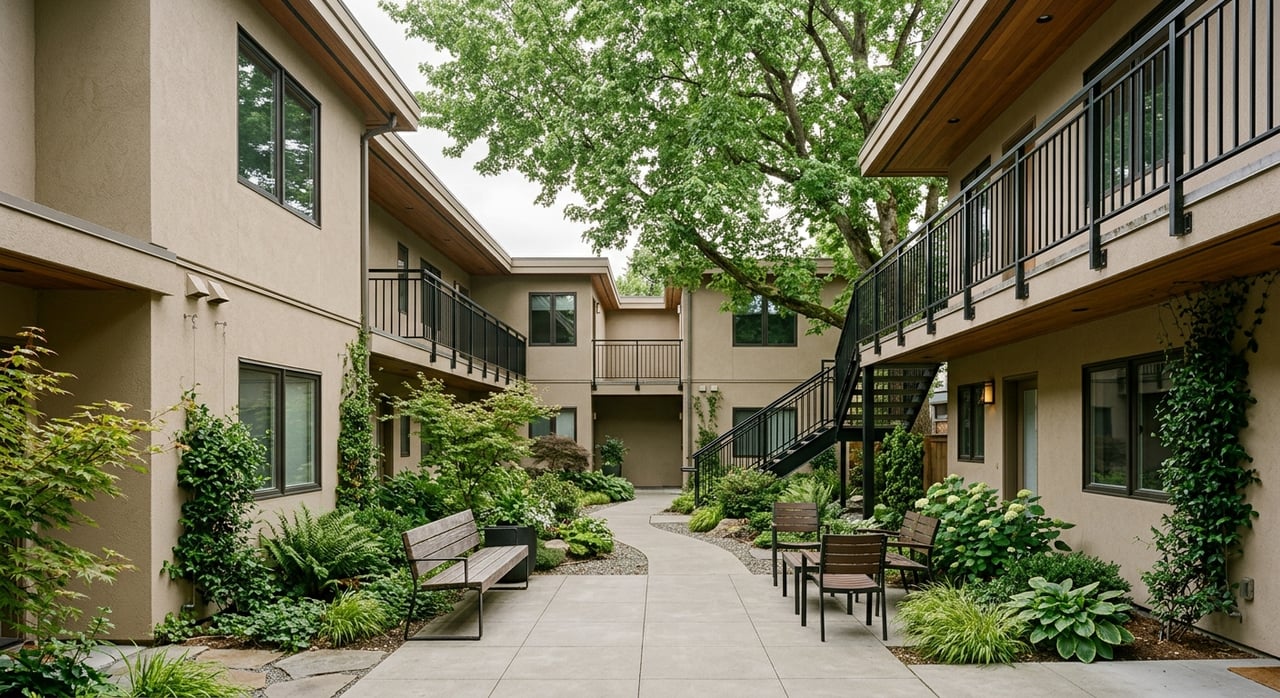
In the Richmond, condo ownership often means you own the interior of your unit and also hold a share in a common-interest development. In practical terms, you are buying your home plus shared responsibility for parts of the building.
Those shared elements can include roofs, walkways, basements, boilers, elevators, and other common areas or building systems. Many Richmond condos are in smaller 2 to 4 unit buildings or boutique associations, which can create a more intimate ownership experience than a large tower.
That setup can be appealing if you want lower exterior maintenance and a simpler day-to-day ownership profile. It can also come with rules, shared decision-making, and recurring HOA dues.
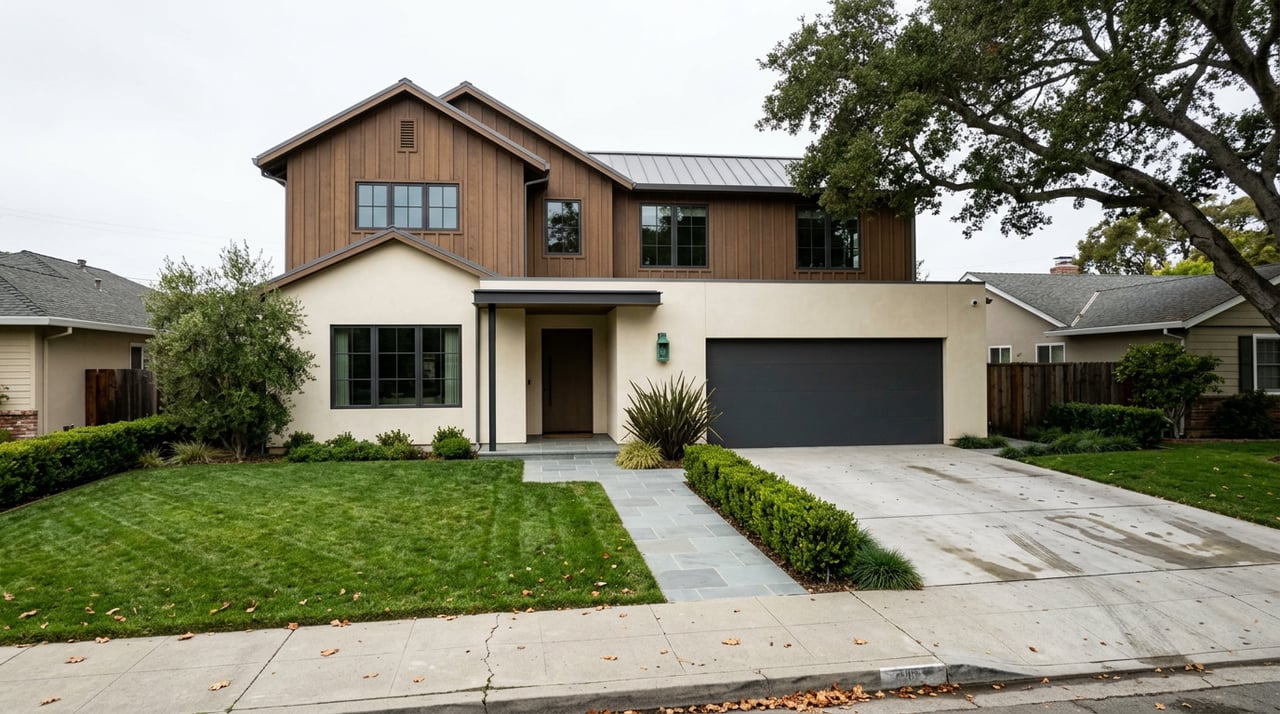
A single-family home typically gives you ownership of the full structure and the lot. That creates a very different experience from condo living because you usually have more privacy, more control, and fewer shared building decisions.
In the Richmond, houses often deliver the features buyers are really chasing when they say they want “more room.” That can include a private yard, deck, garage, additional levels, or more flexibility for future changes.
The tradeoff is responsibility. When you own the entire property, maintenance and repair decisions generally fall more directly on you.
Space is not just about square footage. It is also about how you use your home, how much separation you want from neighbors, and whether outdoor access feels essential to your daily routine.
Richmond condos can still offer meaningful extras. Current listings show examples with parking, expansive backyards, mature gardens, and side-by-side parking, which may surprise buyers who assume condo living always means giving up outdoor space.
Still, single-family homes usually offer more consistent privacy and control over outdoor areas. If you know you want a yard, garage, deck, or the freedom to use the full property without HOA involvement, a house will often be the more natural fit.
The Richmond’s location changes how many buyers think about private space. In SF Planning’s survey, 86% of respondents said they walk to local shops, and 58% said they visit Golden Gate Park at least weekly.
That matters because many buyers are willing to trade some private outdoor space for access to neighborhood amenities and public open space. In a park-rich part of San Francisco, a smaller home can still feel highly livable if your routine already includes regular walks, nearby shops, and time outdoors.
If you are someone who values neighborhood access more than lot size, a condo may feel like less of a compromise in the Richmond than it would in another area. If you want your outdoor life to happen mostly at home, a house may still win.
The purchase price is only part of the picture. Your monthly ownership costs can look very different depending on whether you buy a condo or a single-family home.
With a condo, you will usually have mortgage costs plus HOA assessments. In California common-interest developments, regular assessments fund day-to-day operations and reserves, and boards can also levy special assessments for major repairs, replacements, or unexpected expenses.
Those HOA dues are typically paid directly to the association and are usually separate from the mortgage payment. That means a condo may have a lower entry price than a house, but your monthly budget still needs to account for a recurring HOA line item.
With a house, you usually avoid HOA dues unless the property is subject to a separate association structure. But you take on more direct maintenance exposure, which can make monthly costs less predictable over time.
Insurance works differently for condos and houses. With a condo, the building’s master policy generally covers common areas, while your individual policy usually covers personal property and certain interior elements that the master policy does not.
That split is important because it can affect both coverage planning and out-of-pocket risk. In San Francisco, many buyers also consider separate earthquake coverage because standard homeowners and condo policies generally do not include it.
On property taxes, both condos and single-family homes follow the same Proposition 13 framework. According to the San Francisco Assessor, reassessment generally happens upon a change in ownership or completion of new construction, and annual assessed-value increases are generally capped at 2%.
So when buyers compare monthly carrying costs, the bigger difference is often not the tax structure itself. It is more often the HOA dues, insurance setup, and maintenance responsibility.
This is one of the biggest decision points, especially in a neighborhood where buyers often care about design and long-term value. If you like the idea of customizing, expanding, or reworking a property later, the ownership structure matters.
For condos, associations can regulate balconies, decks, landscaping, and other alterations. Even when a project seems minor, you may need to work within HOA rules in addition to any city requirements.
A single-family home usually gives you more autonomy if you are thinking about a future remodel, a layout change, or a longer-term value-add strategy. That does not remove the need for permits or city review, but it often provides a better canvas for buyers who want more control.
A condo often makes sense if your top priority is getting into the Richmond with a lower entry price and less exterior maintenance. That can be especially relevant for first-time buyers, busy professionals, downsizers, or anyone who wants a lock-and-leave setup.
It can also be a smart fit if you care more about location and walkability than owning private land. In a neighborhood where many residents already rely on parks, local shops, and shared urban amenities, condo living can align well with daily life.
For buyers thinking about future rental flexibility, it is important to review HOA documents carefully. Some associations may restrict rentals or require tenants to follow specific building rules.
A single-family home usually fits buyers who want more privacy, more room, and more control over how the property evolves over time. If you are planning for household growth, need more bedrooms, or want dedicated yard and garage space, a house often supports those goals more naturally.
It can also be the better choice if you are design-minded and thinking beyond immediate livability. In the Richmond, houses can appeal to buyers who want renovation potential, a more flexible floor plan, or a property that may support larger long-term improvements, subject to permits and city rules.
That level of autonomy is a big reason single-family homes remain so desirable in the neighborhood, even with the higher price point.
If you are choosing between a condo and a house in the Richmond, start with three practical questions:
Your answers usually point in a clear direction. Buyers who want a smaller all-in burden and easier upkeep often lean condo, while buyers who want autonomy and future flexibility often lean house.
If your goal is to buy into the Richmond without overextending, a condo is often the more realistic path. The current Outer Richmond condo median listing price of $914,000 shows why condos can be a practical starting point for neighborhood access.
If you know you want more bedrooms, a yard, garage parking, and room to grow, a single-family home may better match your long-term plans. Recent Richmond house listings reflect those features clearly in the market.
If you want easier upkeep, shared exterior maintenance, and the convenience of a more lock-and-leave lifestyle, a condo can reduce day-to-day friction. In the Richmond, that can still include parking and outdoor space in the right building.
If you are looking for a better canvas for renovation or future reconfiguration, a house usually offers more freedom. In a neighborhood with strong architectural character and enduring buyer demand, that flexibility can matter.
In the Richmond District, the condo-versus-single-family decision is really about choosing between shared-building convenience and full-lot autonomy. The neighborhood’s walkability, open space, and smaller-building housing stock make condos a strong fit for many buyers, while the Richmond’s classic homes continue to attract buyers who want privacy, yards, garages, and long-term flexibility.
There is no universal right answer. The best choice depends on how you want to live now, what monthly costs feel comfortable, and how much control you want over the property in the years ahead.
If you want help weighing Richmond District condos versus single-family homes with a neighborhood-specific lens, Mandy Lee offers thoughtful, data-informed guidance tailored to your goals.
Stay up to date on the latest real estate trends.
Innovative real estate maven hailing from the heart of San Francisco. Born and raised in this iconic city, I use my deep local roots with modern strategies, reshaping the real estate landscape. With an intimate knowledge of the city's diverse neighborhoods and a knack for design, she's your guide to finding the perfect property match.