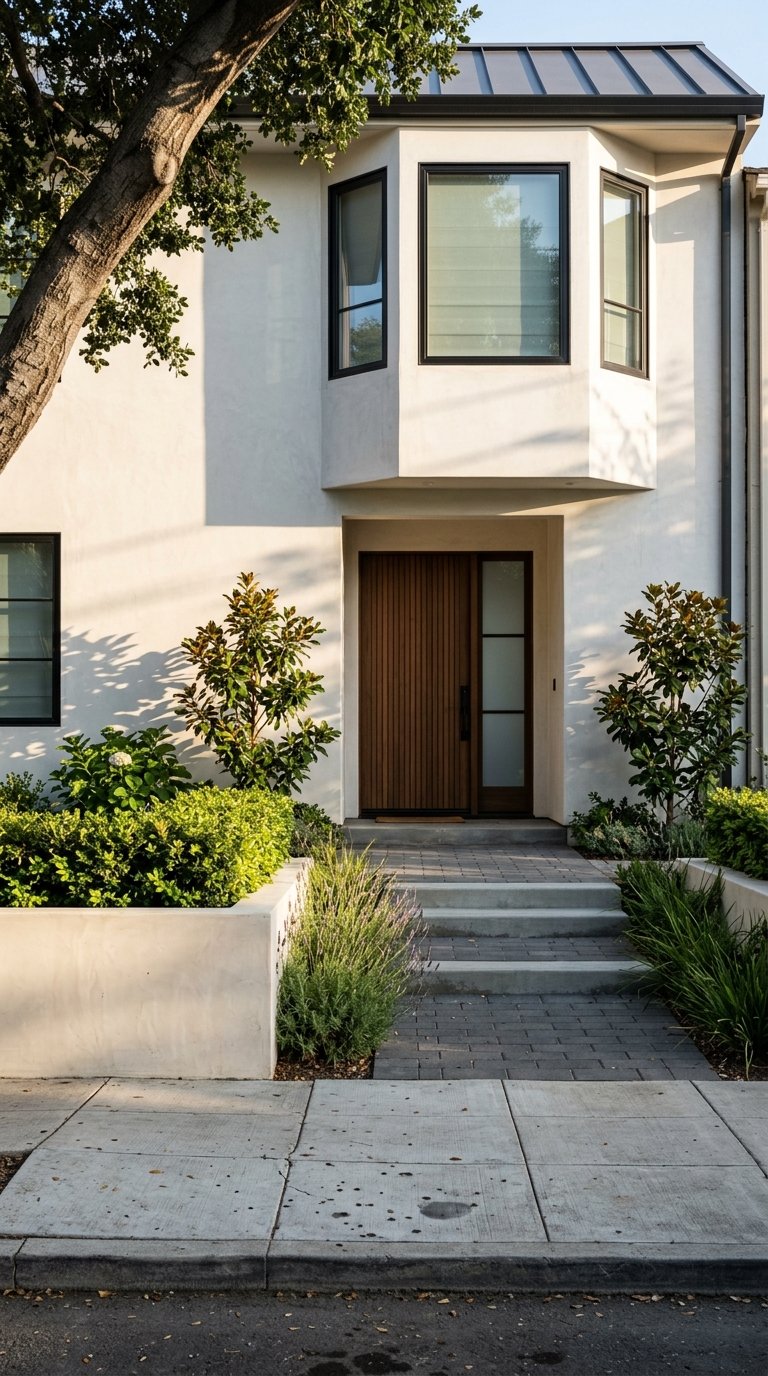
A West Portal Neighborhood Guide to Its Micro-Neighborhoods
June 4, 2026
June 4, 2026
If you have ever wondered why West Portal feels both connected and tucked away, the answer is in its micro-neighborhoods. This part of San Francisco has a compact village core, quieter residential edges, and a built form that shifts quickly within just a few blocks. If you are buying, selling, or simply trying to understand the area better, knowing these small differences can help you read the neighborhood with more confidence. Let’s dive in.
West Portal is best understood as a transit-built village. It grew in the 1910s and 1920s around the western portal of the Twin Peaks Tunnel, which opened in 1918. Today, the Planning Code defines the West Portal Avenue Neighborhood Commercial District as a three-block corridor on West Portal Avenue plus one block east on Ulloa Street.
That official footprint helps explain why West Portal feels so compact and readable. The commercial district is small by San Francisco standards, and it was intended to serve the surrounding West of Twin Peaks and Sunset single-family residential neighborhoods. The same code also emphasizes a small-scale, daytime retail character, which shapes the area’s pace and identity.
The busiest pocket of West Portal sits near the station area around West Portal Avenue, Ulloa Street, and Lenox Way. This is the part of the neighborhood that feels most active on foot and most connected by transit. If you picture West Portal as a village, this is its main street and front door.
SFMTA describes West Portal Station as a key connection point with three rail lines and two bus routes serving about 50,000 daily riders. It also notes that about 5,000 riders board near West Portal Station each day. That level of movement gives the area a steady rhythm, especially during commute hours and after-school periods.
What makes the core especially practical is how many everyday destinations sit close together. Restaurants, shops, offices, schools, West Portal Playground, and the West Portal Branch Library are all nearby. This concentration of uses is a big reason the neighborhood feels walkable without feeling overly dense.
SFMTA also notes active improvements in the station horseshoe area, including murals, bikeshare, planters, and decorative crosswalks. Those updates reinforce the idea that this is not just a transit stop. It is an active pedestrian node with a neighborhood-serving feel.
If you spend time near the station-adjacent blocks, a few things stand out quickly:
For buyers, this pocket can appeal if you want everyday convenience and easy mobility. For sellers, understanding how close a home sits to this core can help shape how the property is positioned in the market.
One or two streets away from the corridor, West Portal changes quickly. The atmosphere becomes more residential, with calmer side streets and less foot traffic. This fast shift is one of the defining features of the neighborhood.
The Planning Code says the district is surrounded by single-family residential neighborhoods and that new development should respect the surrounding small- to mid-scale character. In practical terms, that supports the idea of edge-of-village blocks. You are still near the heart of West Portal, but the setting feels quieter and more residential.
This is often where people start to notice the balance West Portal offers. You can be close to transit, shops, the library, and the playground, yet still feel removed from the busiest pocket. That contrast is a major part of what makes West Portal different from denser San Francisco commercial districts.
As you move outward from West Portal Avenue, the experience often becomes:
That does not mean the edges feel disconnected. Instead, they read as a residential ring around a compact village center. For many buyers, that mix is exactly the appeal.
West Portal also sits next to several of San Francisco’s classic residence parks, including Forest Hill, St. Francis Wood, and Balboa Terrace. SF Planning describes these areas as early-20th-century garden suburb developments with large lots, landscaping, and curving street patterns on hilly sites. Western Neighborhoods Project notes that West Portal Avenue served as the commercial strip for those neighborhoods.
This context matters because it helps explain why the outer blocks around West Portal can feel more spacious and more suburban than the commercial core. The shift is not accidental. It reflects how the neighborhood developed in relation to these nearby residential areas.
When people talk about West Portal feeling different from other parts of San Francisco, this is often part of what they mean. The core is compact and active, but the surrounding fabric connects to a broader garden-suburb pattern rather than a high-density urban one.
West Portal Avenue itself is low-rise and small-scale. The current code is designed to preserve the existing retail pattern, keep development compatible with neighboring residential areas, discourage lot mergers, and limit late-night commercial activity. It also notes that medical, business, and professional uses are concentrated in the first two stories.
All of that helps explain why West Portal feels walkable and locally serving rather than downtown-like. The corridor is mixed-use, but in a restrained way. You get activity and convenience without the visual intensity of taller, denser commercial districts.
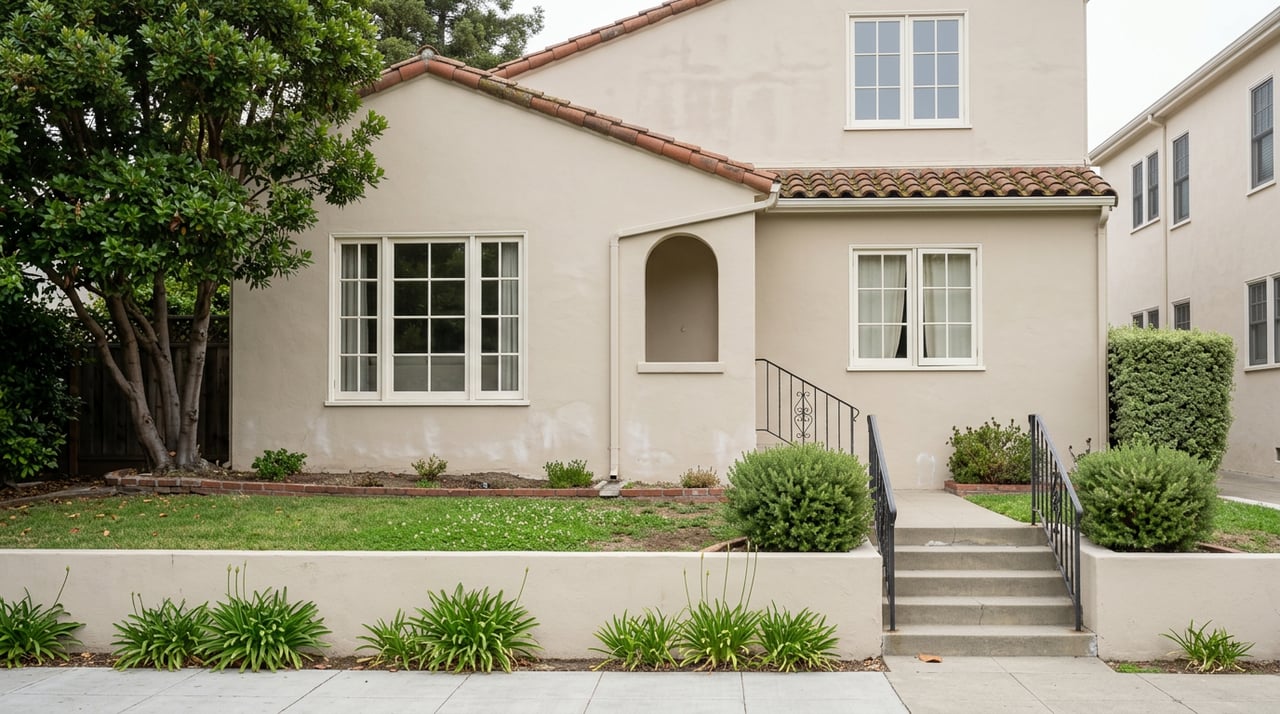
Around the corridor, the residential fabric is best described as prewar single-family homes, low-density residential blocks, and strong garden-suburb influence. West Portal grew out of the early West of Twin Peaks build-out, tied to the tunnel-era expansion of the city’s west side. If you are evaluating a home here, it helps to think less in terms of one dominant architectural style and more in terms of overall neighborhood pattern and scale.
For buyers, West Portal’s built form can offer a useful middle ground. You may find a neighborhood with practical walkability, transit access, and everyday amenities, while still feeling rooted in a lower-density residential setting.
For sellers, this is a reminder that location within West Portal matters at a micro level. A home near the station-adjacent core may appeal to buyers focused on convenience and transit. A home on a quieter residential edge may speak more to buyers looking for calm, space, and a village-adjacent setting.
West Portal’s rhythm is shaped more by transit and daily life than by nightlife. SFMTA says the station area is used by students and families traveling to nearby schools, the playground, and the library. The Planning Code also emphasizes a daytime orientation and discourages late-night commercial hours.
That creates a pattern you can feel if you spend time in the neighborhood. Mornings bring commute activity. Midday tends to support errands and local services. Afternoons often reflect school pickup, library visits, playground use, and family movement through the district.
This daily rhythm is one reason West Portal often feels practical and community-serving. It is active, but the activity is tied to everyday life. For many buyers, that makes the neighborhood feel grounded and easy to understand.
Two of the most important neighborhood amenities are the West Portal Branch Library and West Portal Playground. The library, located at 190 Lenox Way, offers teen services, Wi-Fi, medium Chinese and Russian collections, and English- and Cantonese-speaking staff availability. These details reinforce the library’s role as an everyday community resource.
West Portal Playground, at Ulloa and Lenox, includes an athletic field, off-leash dog area, picnic area, playground, restrooms, and tennis. Together, the library and playground help define the area as practical, local-serving, and built around daily use rather than destination entertainment.
For anyone trying to understand West Portal’s micro-neighborhoods, these amenities matter because they help anchor the village core while also serving the surrounding residential blocks. They are part of why West Portal feels lived-in rather than purely commercial.
If you want a simple way to read West Portal, break it into three layers:
This framework can help you make sense of why two homes in West Portal may offer very different day-to-day experiences even if they are only a short distance apart. It also gives sellers a more precise way to talk about location than simply saying a home is “in West Portal.”
West Portal is compact, transit-centered, and intentionally neighborhood-serving. That is the thread connecting all of its micro-neighborhoods. The difference is how strongly each block leans toward main-street energy, quiet residential character, or residence-park adjacency.
If you are thinking about buying or selling in West Portal, block-by-block context matters. Working with a local expert who understands these small shifts can help you price, position, and evaluate a home with much more clarity. To get tailored guidance rooted in hyperlocal San Francisco knowledge, connect with Mandy Lee.
Stay up to date on the latest real estate trends.
Innovative real estate maven hailing from the heart of San Francisco. Born and raised in this iconic city, I use my deep local roots with modern strategies, reshaping the real estate landscape. With an intimate knowledge of the city's diverse neighborhoods and a knack for design, she's your guide to finding the perfect property match.