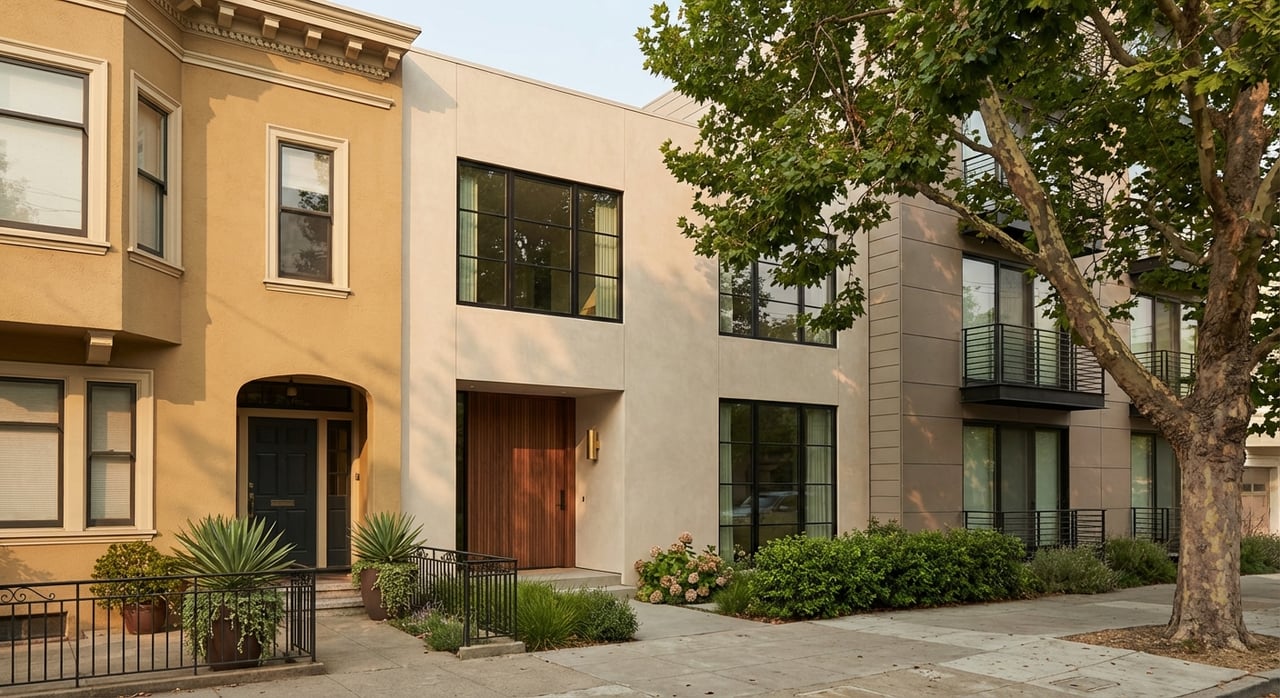
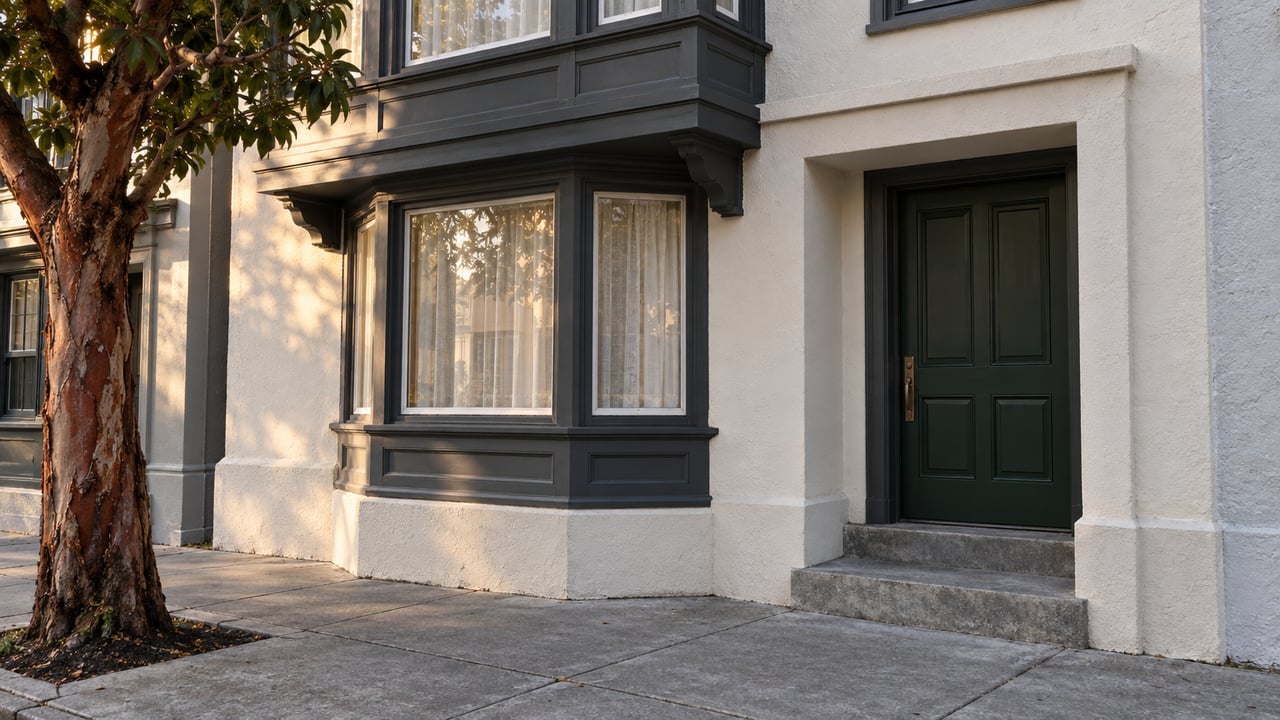
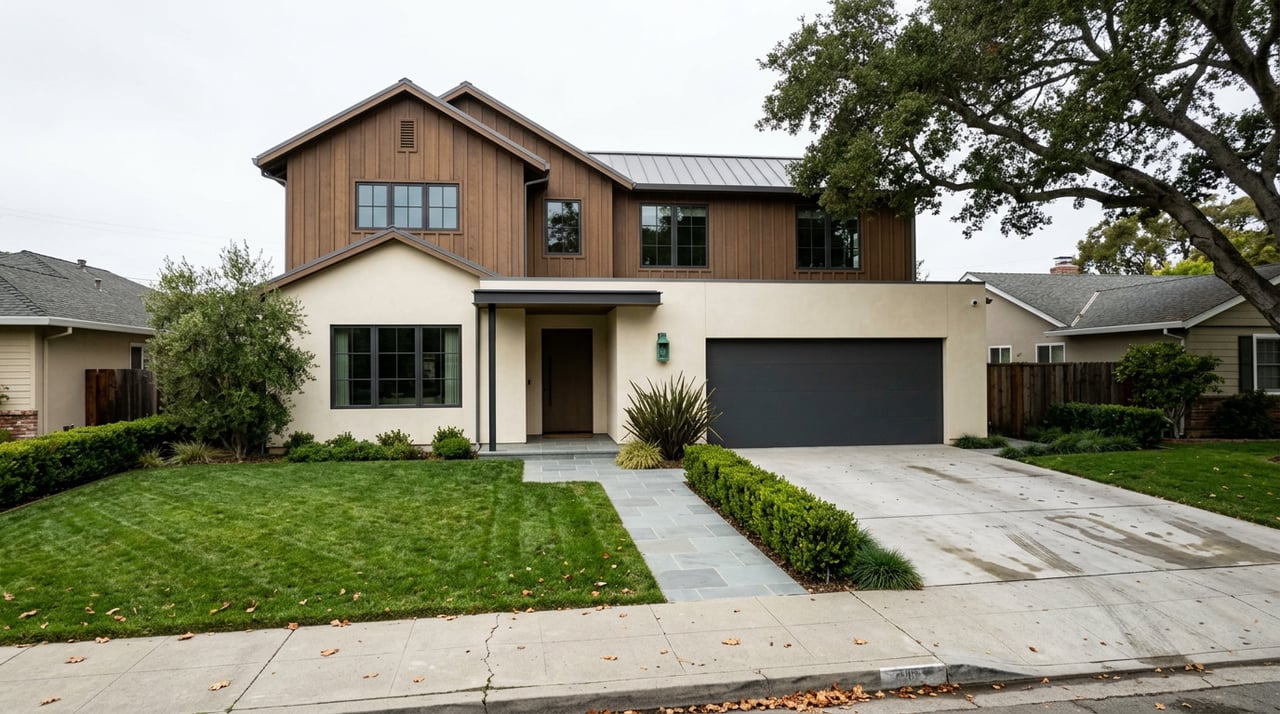
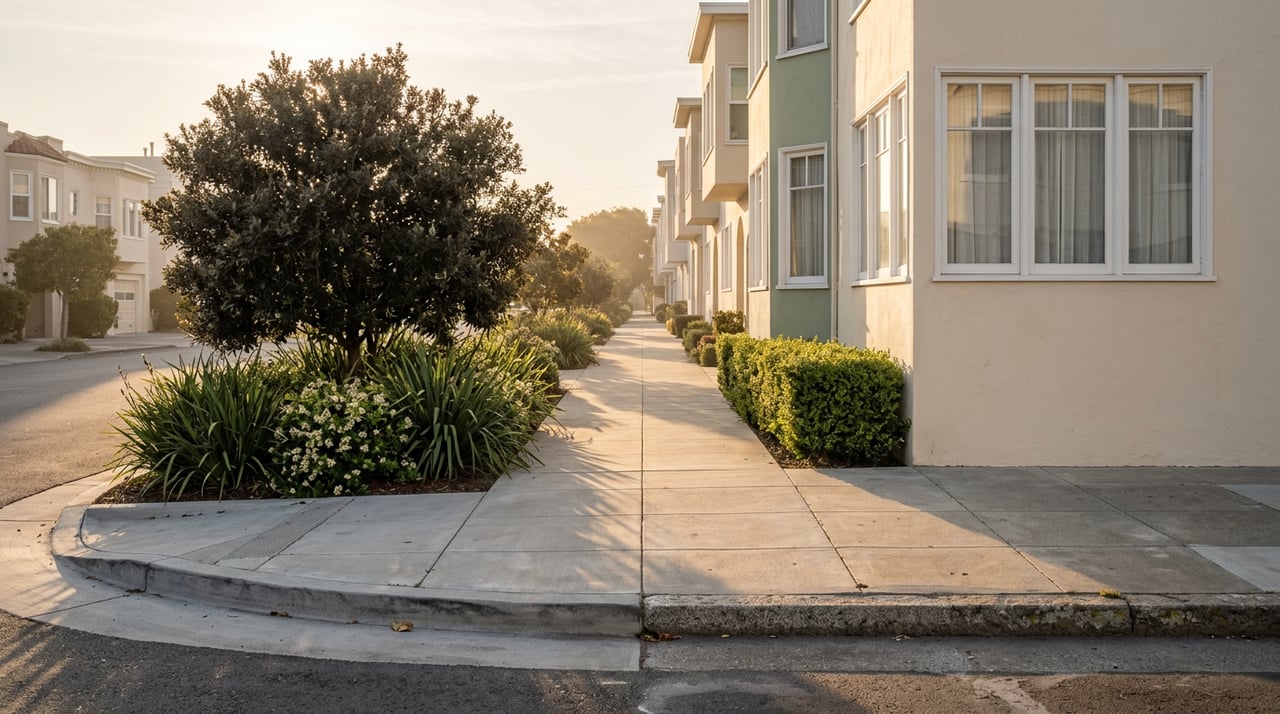
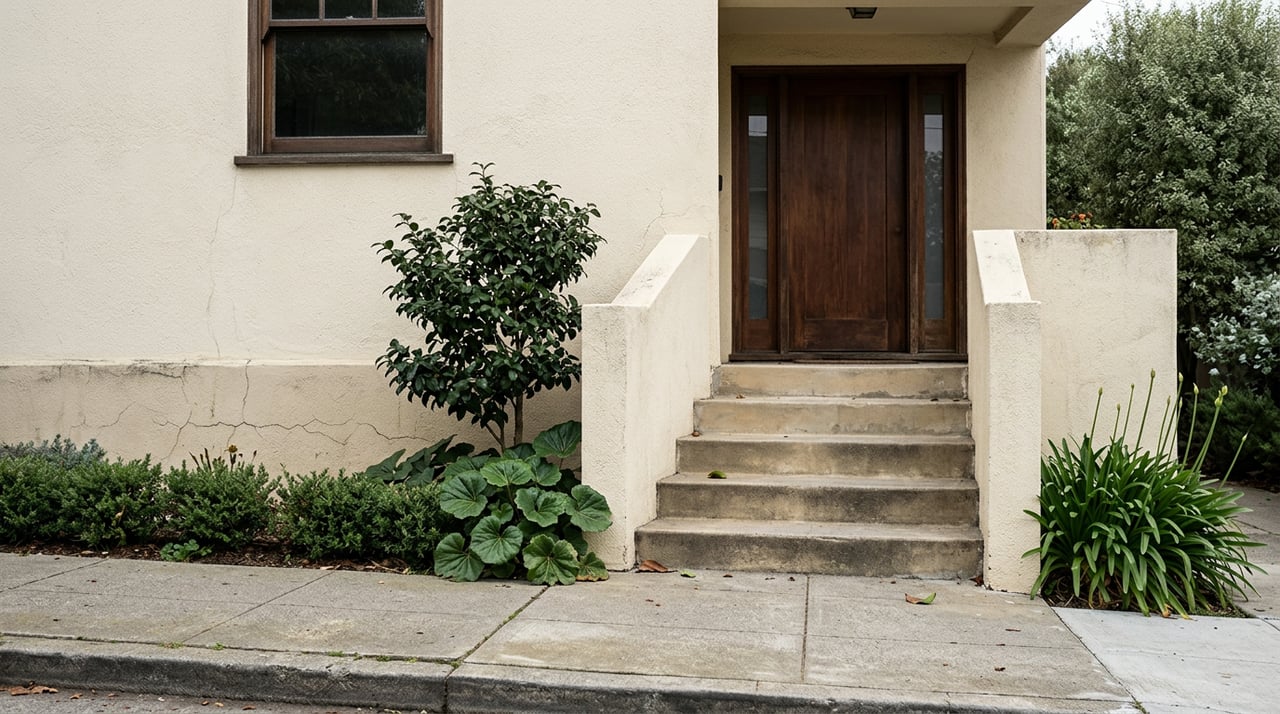
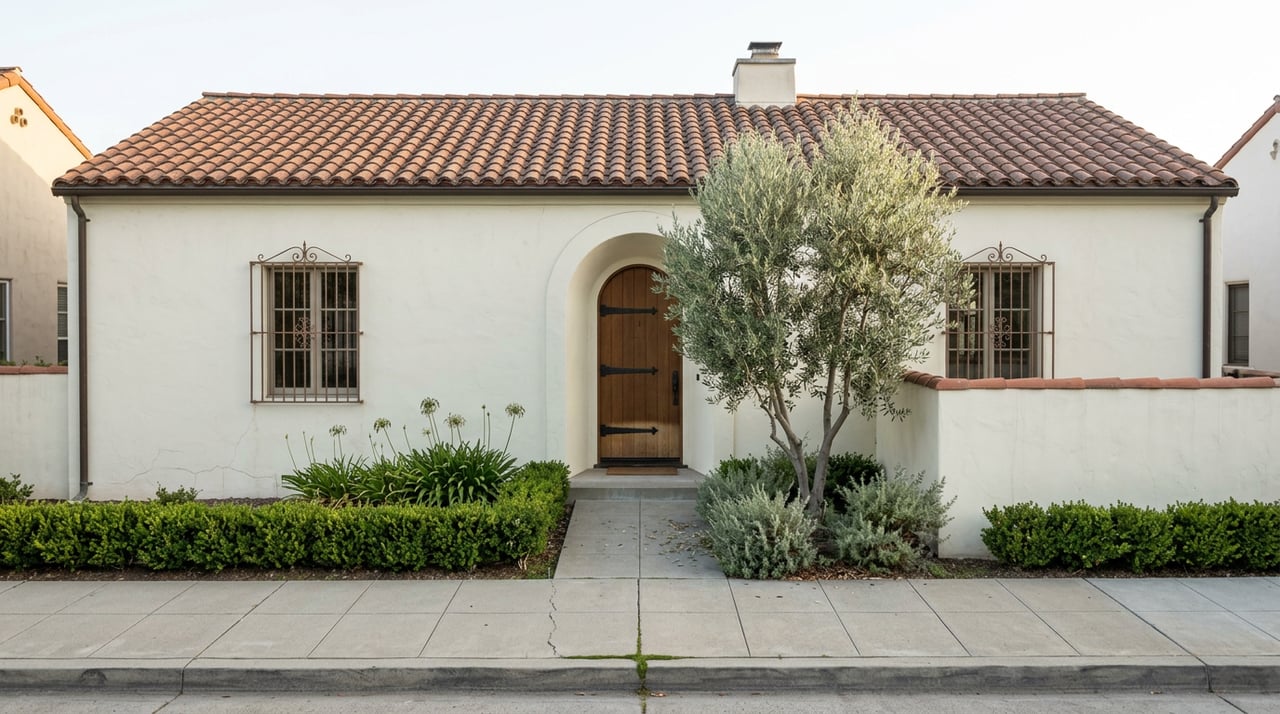
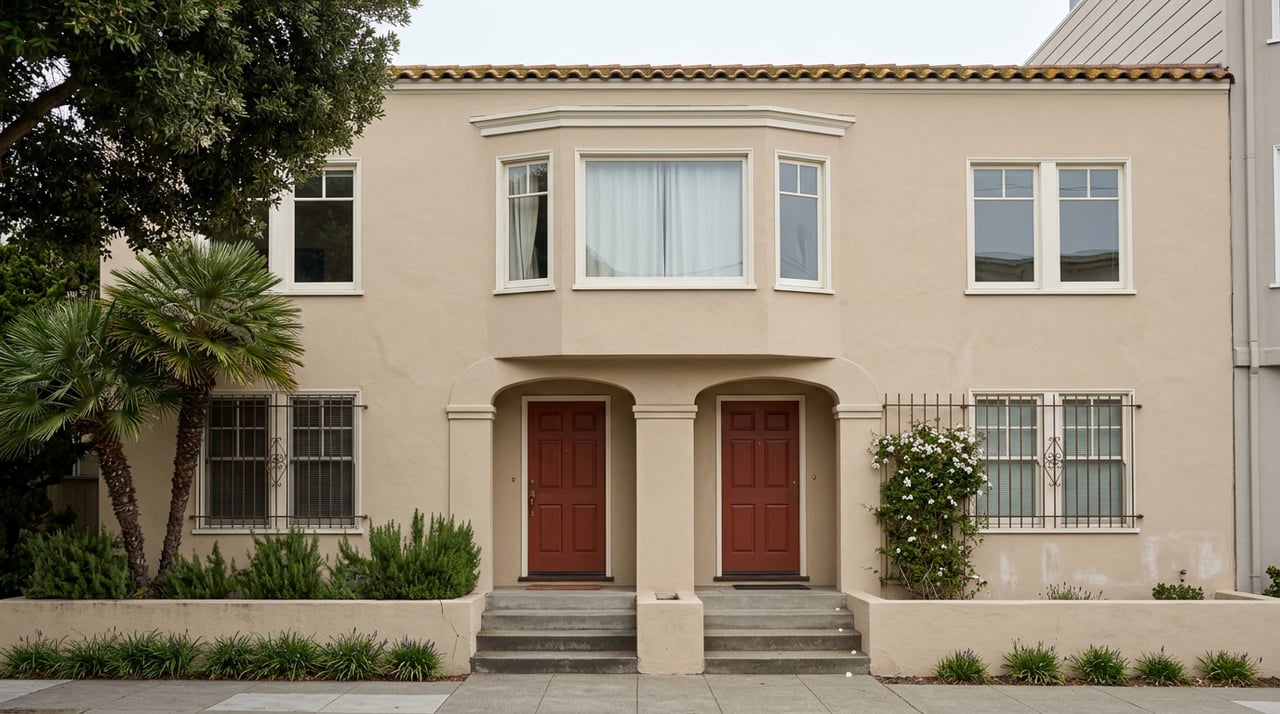
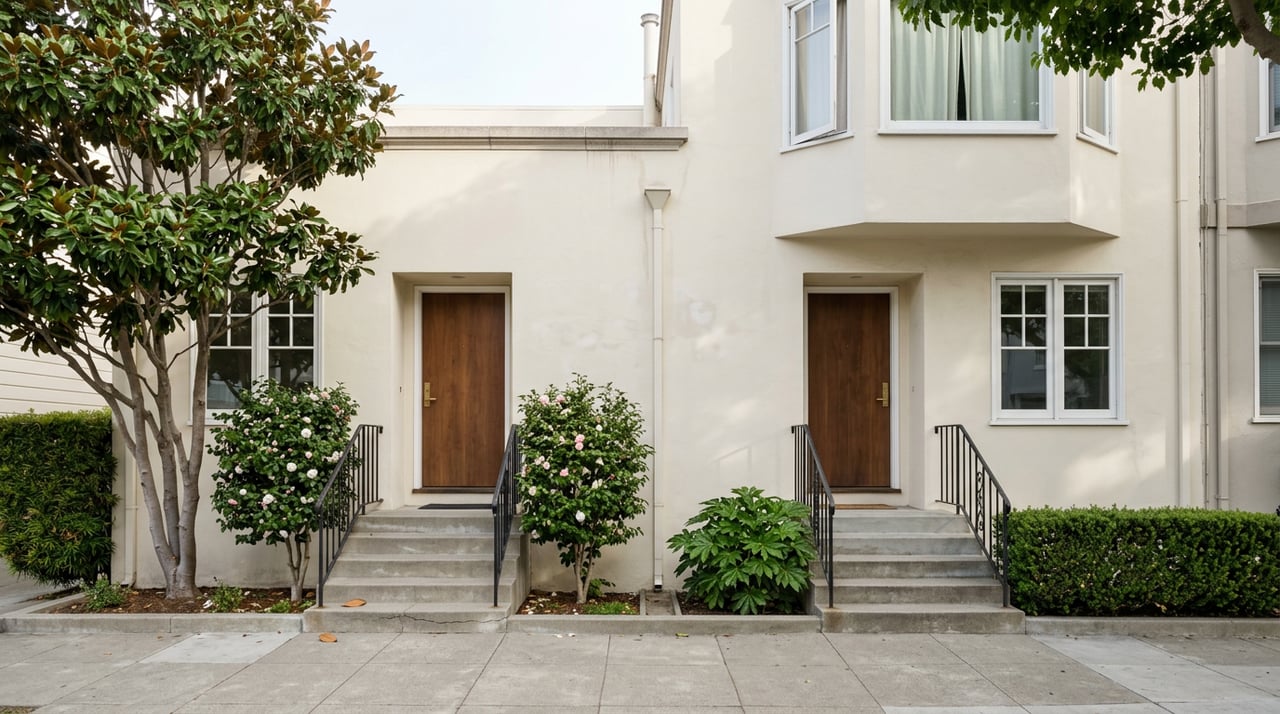
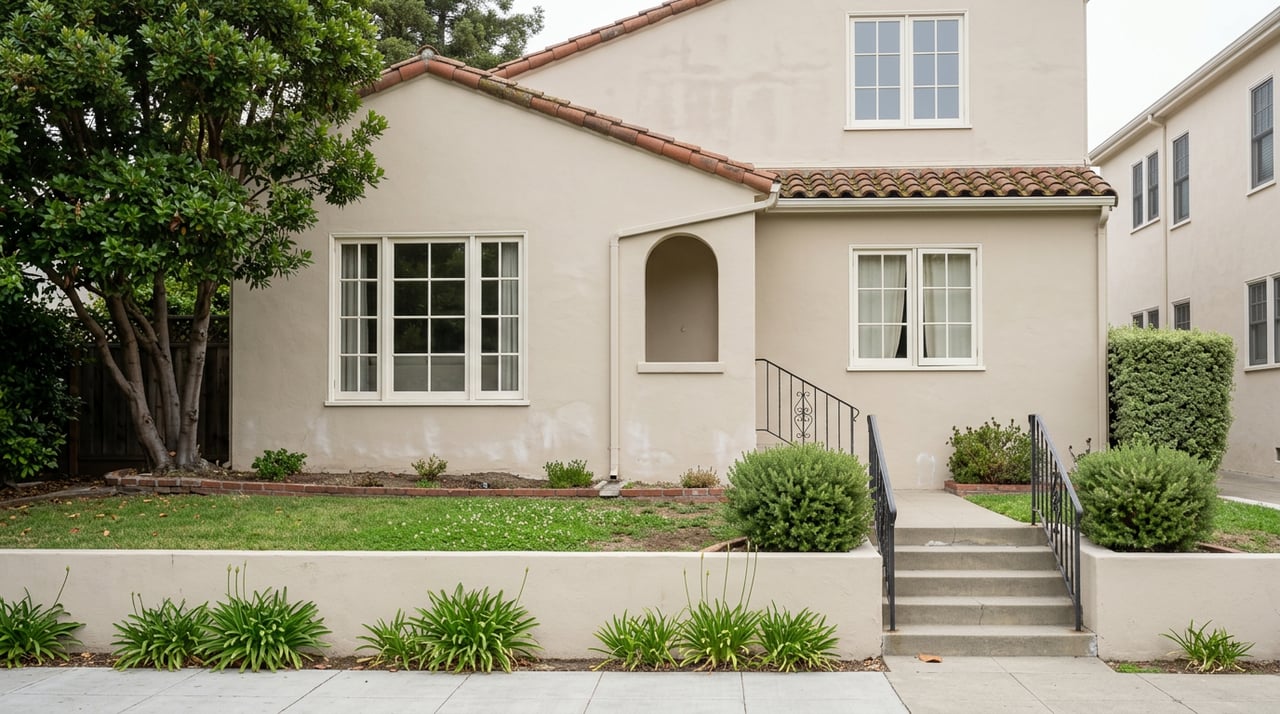
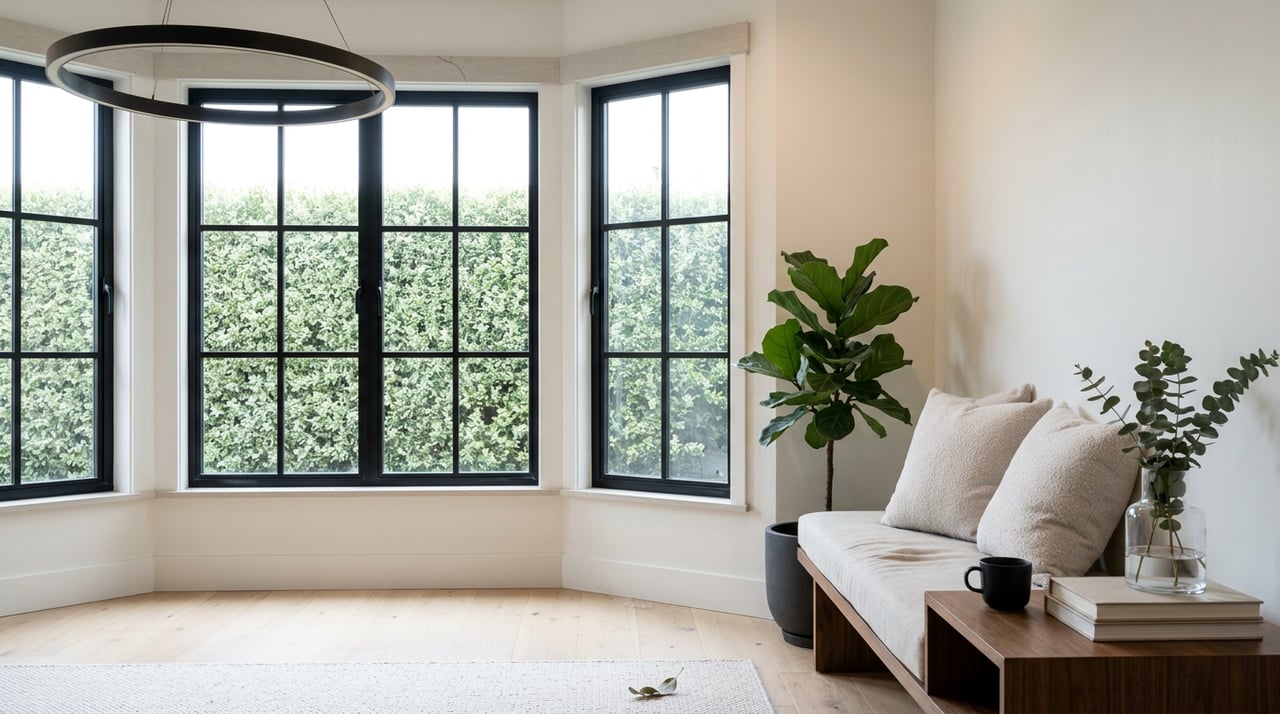
What makes a Marina home instantly recognizable? Maybe it’s the smooth stucco, the arched entry, or that wide picture window catching afternoon light off the Bay. If you love architecture and you’re eyeing the Marina, knowing the styles will help you read a façade, predict a floorplan, and plan smart upgrades. In this guide, you’ll learn how to spot the defining styles, what those shells mean for light and layout, and which renovation questions to ask before you buy. Let’s dive in.
Marina at a glance
The Marina District emerged after the 1915 Panama–Pacific International Exposition, then filled in with housing during the 1920s and 1930s. That origin story explains why you see Mediterranean references, clean stucco façades, and Art Deco apartments in a tight, walkable grid. For background on the exposition and its legacy, explore the history of the 1915 fairgrounds.
Much of the neighborhood sits on artificial fill, and parts of the Bay Area mapped as fill have higher liquefaction susceptibility in earthquakes. That ground condition informs foundation strategies and retrofit priorities in the Marina. Review regional context in the USGS liquefaction hazard overview before you evaluate a property.
Spot the styles you’ll see
Marina-style houses
Blending Mediterranean and early modern touches, this locally named type is the Marina’s signature look.
- How to spot it:
- Smooth stucco façade with a low or near-flat roofline, often edged with a slim clay tile band.
- A recessed or side entry and a broad front window band or bowed bay at the second level.
- Street-level single-car garage with the main living room directly above. See a primer in this Marina-style overview.
- What it means inside:
- Living room toward the street for light and outlook; bedrooms commonly at the rear.
- A compact footprint with circulation along one side and a small yard or patio behind.
- Renovation notes:
- Cosmetic interior updates are usually straightforward. Structural changes and open-plan conversions may require engineering, especially where the garage creates a “soft story.” Learn about requirements in the city’s Mandatory Soft-Story Retrofit Program.
- Lower-level “bonus rooms” behind garages are often unpermitted. Verify square footage and past permits, as advised in this permit and retrofit FAQ.
Mediterranean and Spanish Colonial Revival
These close cousins carry the fair’s visual DNA into residential streets.
- How to spot it:
- Stucco, red or terracotta tile accents, arched entries or windows, and wrought iron details.
- Often applied to the same narrow-lot massing you see in Marina-style homes.
- Interiors may feature arched openings and decorative tile. See style cues in this San Francisco architecture eras guide.
- What it means inside:
- Formal living spaces up front with a picture window or bay, kitchen and bedrooms deeper in.
- Heavier plaster details can add character and sound dampening.
- Renovation notes:
- Preserving arched plaster and tile can elevate a modern remodel. Exterior changes visible from the street may require extra Planning review if historic context applies.
Art Deco and Streamline Moderne apartments
These 1920s–30s buildings add geometry and glam to the Marina’s streetscape.
- How to spot it:
- Smooth, streamlined façades with chevron or geometric trim and horizontal banding.
- Larger picture windows and flatter fronts than Victorian or Edwardian blocks.
- Reference examples in this San Francisco architectural eras overview.
- What it means inside:
- Deeper floor plates that can deliver bigger living rooms and generous ceiling heights.
- Stacked-flat layouts that concentrate daylight at the front and rear.
- Renovation notes:
- Merging units or significant interior reconfiguration often triggers complex permits and fire/life-safety upgrades. Historic resource review may apply on prominent façades.
Edwardian and other pre-war flats
While the Marina largely dates from the 1920s–30s, you’ll encounter pre-war flats in and around the district.
- How to spot it:
- Bay windows and a front parlor, toned-down ornament compared to Victorian neighbors.
- Narrower lots with stacked, linear room arrangements. See context in this pre-war style writeup.
- What it means inside:
- Front living rooms and rear bedrooms with circulation along a hall.
- Center rooms get less daylight, which can affect how you plan openings.
- Renovation notes:
- Wall removals in stacked flats often require careful structural design. Condo conversions and façade alterations may face added review.
Mid-century updates and contemporary view condos
From the 1950s onward, remodels on corner lots and along Marina Boulevard introduced cleaner lines, larger glazing, and roof decks where allowed.
- How to spot it:
- Minimalist façades, big windows, possible roof decks and interior-open plans.
- What it means inside:
- Light-forward layouts that maximize views to the Bay or bridge.
- Renovation notes:
- Exterior changes in multi-unit buildings typically need HOA approvals and Planning sign-off. Expect review around window enlargements, decks, and façade materials.
How façade and plan shape light and flow
Window form and orientation drive how spaces live.
- Bay or bowed windows and wide picture windows pull light to front rooms and frame outlooks. Expect bright living rooms paired with deeper, quieter rear bedrooms.
- Narrow, deep floorplans limit daylight to the center of a home. Designers often add skylights, light wells, or interior glass to borrow light.
- Orientation matters. Use passive solar and daylighting best practices to balance light, heat gain, glare, and privacy, especially on sunny west and south exposures.
Renovation realities in the Marina
- Ground conditions: Portions of the Marina sit on artificial fill. Liquefaction susceptibility in earthquakes makes foundation design, lateral-force resistance, and soft-story solutions important. Review the USGS liquefaction overview as part of your due diligence.
- Soft-story risk: Many Marina-era homes place a garage at street level with living above. Multi-unit buildings with large openings at the ground floor often fall under San Francisco’s Mandatory Soft-Story Retrofit Program, with planning-level costs commonly cited around $60,000 to $130,000 depending on size. Actual solutions and budgets are site-specific.
- Permits and records: Ask for foundation reports, retrofit permits, and any engineered drawings. Confirm whether rooms behind the garage are legal living space. This permit-focused FAQ outlines what to request.
- ADUs and unit conversions: Adding an ADU can unlock value but requires Planning and Building coordination. Start with the city’s ADU step-by-step guide and plan for utility scheduling lead times. Local reporting notes that PG&E coordination can delay ADU projects, so build that into timelines and budgets per recent coverage of ADU utility delays.
A quick buyer’s checklist
Use this as a starting point when you tour Marina homes.
- Confirm seismic status and soft-story work. San Francisco identifies multi-unit soft-story buildings and sets retrofit requirements in the Mandatory Soft-Story Retrofit Program. Planning-level cost ranges around $60,000 to $130,000 are commonly cited, but final scope is site-specific.
- Request foundation and permit history before you offer. Ask for retrofit permits, underpinning or engineering reports, and verify if any lower-level rooms are permitted living space. See guidance in this permit and retrofit FAQ.
- Check Planning and potential historic review before exterior changes. ADUs, façade updates, and visible alterations can require extra steps. Start with the city’s ADU guide.
- Plan your glazing and daylight strategy early. Orientation, bay windows, and window head heights affect light and comfort. Review passive solar and daylighting basics.
- Budget time for utilities and approvals. Expect possible delays with utility scheduling and plan check on ADUs or unit conversions. Read local reporting on ADU utility delays.
- If buying into an HOA, review minutes and reserves. Confirm whether required seismic work is complete and understand approval procedures for interior and exterior changes.
Ready to explore Marina homes with an eye for style and potential? If you want design-aware guidance, permit-savvy strategy, and calm, concierge-level service, let’s talk. Connect with Mandy Lee to tour listings, clarify your renovation roadmap, or request a tailored home valuation.
FAQs
What defines a classic Marina-style house in San Francisco?
- Look for a smooth stucco façade, low-profile roof with a clay tile band, a broad second-floor window bay, and a street-level garage with living space above, as outlined in this Marina-style overview.
Are Marina homes at higher earthquake risk because of fill?
What should you verify if a home has a ground-floor “bonus room” behind the garage?
- Confirm whether the space is permitted living area, and request permit records and engineering documents as recommended in this permit and retrofit FAQ.
Can you add an ADU in a Marina home or building?
How do window types affect light in Marina-era homes?
- Bay and picture windows concentrate light at the front rooms, while multiple smaller or dual-aspect windows create more even daylight; use passive solar and daylighting principles to balance brightness, glare, and heat on west and south exposures.