Richmond District Home Staging and Photography Insights
April 2, 2026
April 2, 2026
What makes a Richmond District listing stand out when buyers are scrolling fast online? In many cases, it comes down to two things working together: thoughtful staging and strong photography. If you are preparing to sell in the Richmond, the right presentation can help your home feel brighter, more spacious, and more connected to the neighborhood lifestyle buyers are looking for. Let’s dive in.
The Richmond District offers more than a home address. It also gives buyers access to a unique part of San Francisco, with proximity to the Presidio, Golden Gate Park, Ocean Beach, and local commercial corridors filled with small businesses and everyday amenities. As SF.gov highlights in its Richmond neighborhood overview, the area is known for its diverse small business scene and easy access to parks and neighborhood life.
That matters when you sell. Your listing is not just marketing square footage and finishes. It is also telling a story about how the home fits into the rhythm of the Richmond, from Clement Street errands to weekends near Lands End, Lincoln Park, or Ocean Beach, as noted by San Francisco Travel’s Richmond and Presidio guide.
Staging helps buyers focus on the home itself instead of the distractions of daily life. In a district with varied housing types and many homes that benefit from careful room editing, staging can clarify layout, improve flow, and make compact spaces feel more usable. That is especially important when a home is occupied or furnished in a way that hides its best features.
According to the National Association of Realtors 2025 Profile of Home Staging, 49% of agents said staging reduced time on market, and 29% said it increased the dollar value offered by 1% to 10%. The same report found that 83% of buyers’ agents said staging made it easier for buyers to picture a property as their future home.
For you as a seller, that means staging is not about making your home look generic. It is about helping buyers understand the space quickly and confidently.
Most buyers start online, and your photos create the first impression. If the images are dark, crowded, or inconsistent, buyers may move on before they ever schedule a showing. If the images are bright, balanced, and clear, your listing has a better chance of earning that next click.
Zillow’s 2025 buyer trends survey found that 68% of prospective buyers viewed for-sale homes on a real estate website. The same survey found that high-resolution photos were one of the most important listing features, while floor plans ranked even higher for many buyers.
Zillow also notes in its real estate photography guidance that professional photography is critical because buyers search online first and listing photos are often their first impression. In other words, your media package is not an extra. It is a central part of your listing strategy.
Staging and photography are strongest when they are planned as one system. Staging prepares the home to photograph well, and photography captures the value of those edits in a way buyers can understand instantly. One without the other usually leaves value on the table.
For Richmond District homes, that combination can be especially effective. Thoughtful staging can make interiors feel calmer and more open, while polished photography can highlight natural light, room flow, and nearby setting. Together, they help buyers see both the home and the lifestyle.
Not every room carries the same weight. A smart listing-prep plan usually starts with the spaces buyers notice first and remember most.
According to NAR’s staging guidance, living rooms, bedrooms, and bonus spaces such as offices tend to matter most. NAR also notes that living rooms, primary bedrooms, dining rooms, and kitchens are among the spaces staged most often.
If you are deciding where to invest time and effort first, focus on:
These are often the rooms that shape a buyer’s sense of comfort, function, and overall value.
A polished prep process usually starts with a walkthrough to decide what stays, what goes, and what needs to be reworked before photo day. The goal is not to erase personality completely. The goal is to remove friction so buyers can see the home clearly.
NAR says sellers often benefit from decluttering, cleaning, depersonalizing, and using neutral styling. Zillow’s seller photo guidance also recommends opening blinds and windows, removing window screens when appropriate, clearing counters, making beds, and avoiding anything that makes rooms appear darker or smaller.
A strong prep checklist often includes:
NAR found that the most common recommendations from agents were decluttering, cleaning the home, and improving curb appeal. Those basics still do a lot of heavy lifting.
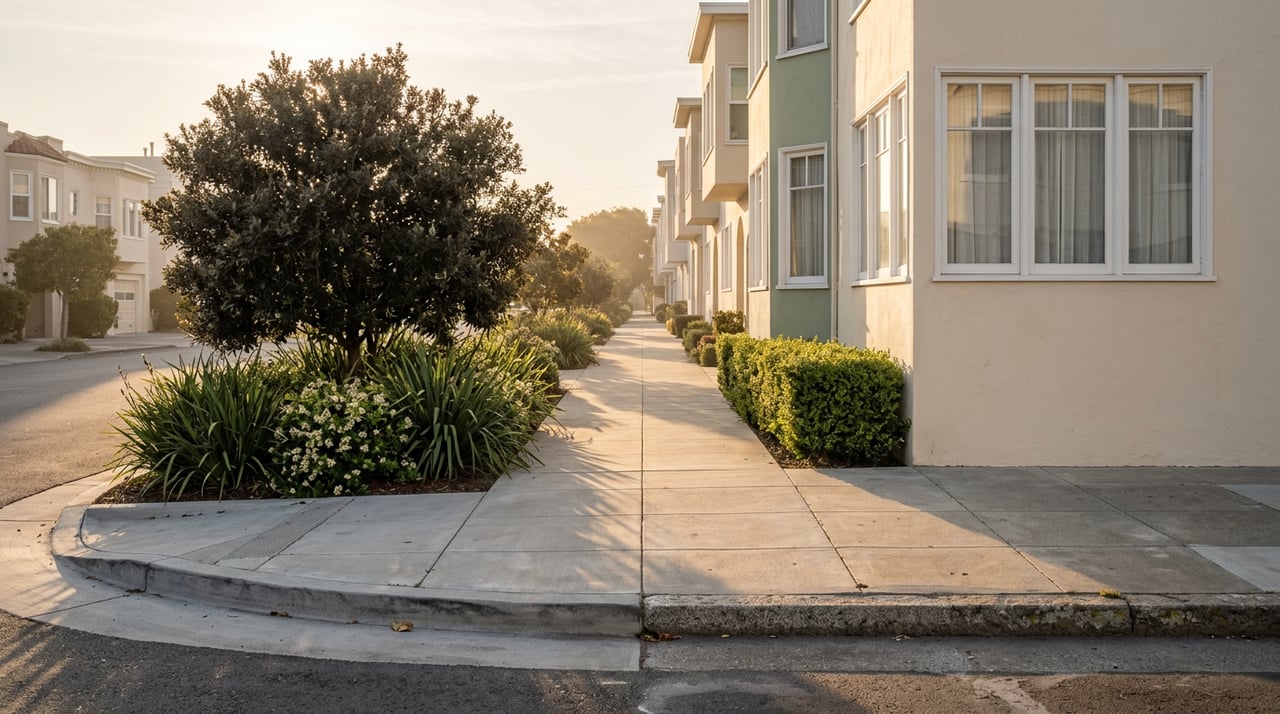
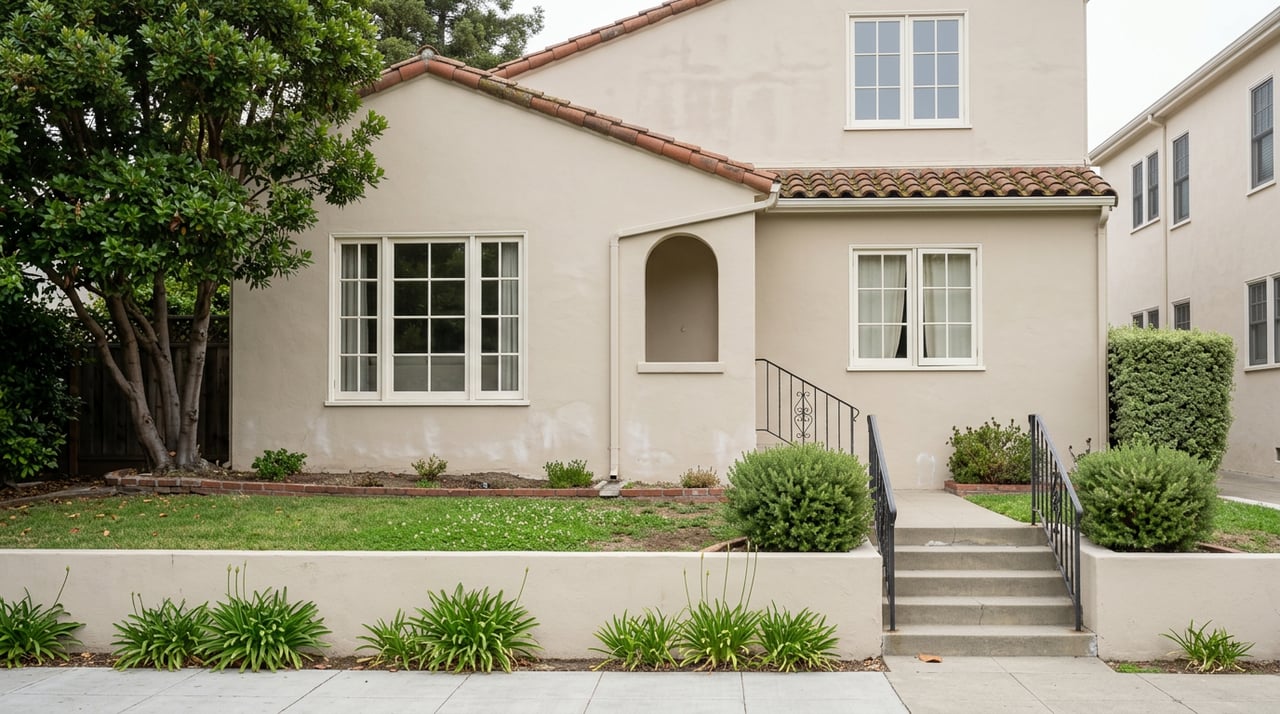
In the Richmond District, a listing often performs best when the media shows more than the interior alone. Buyers are often evaluating how the home connects to everyday neighborhood life, outdoor access, and west-side San Francisco character.
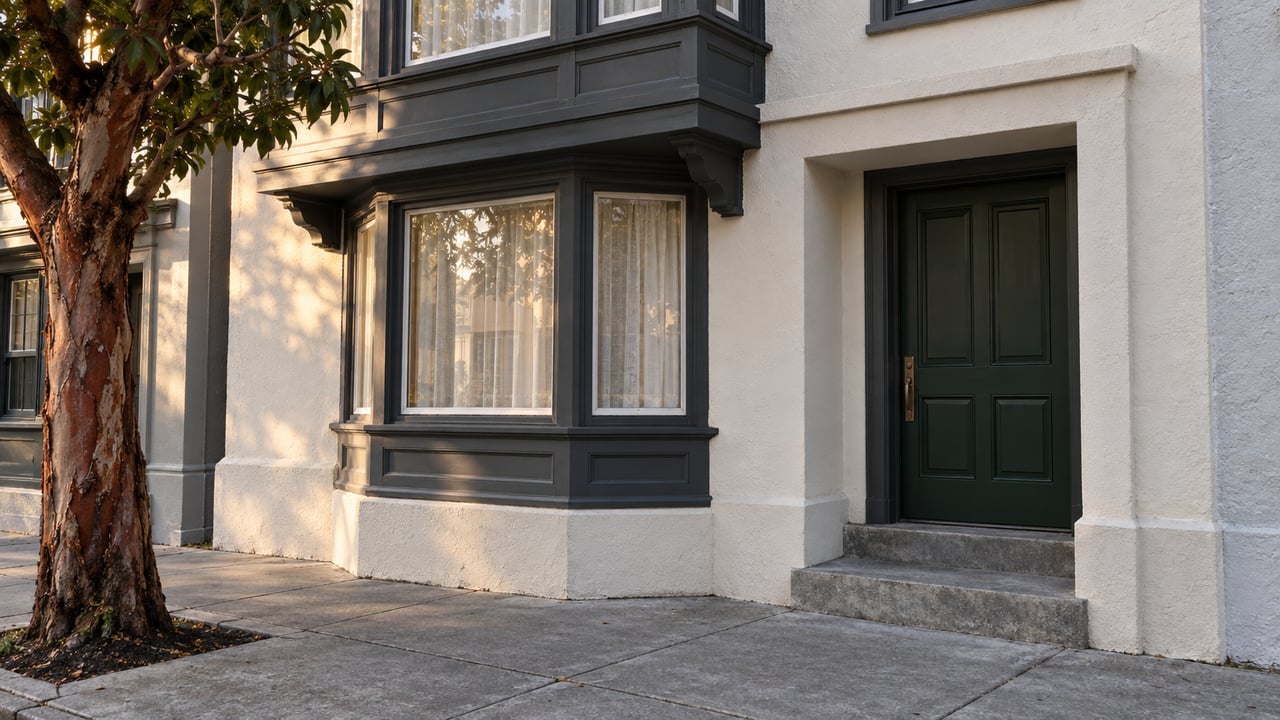
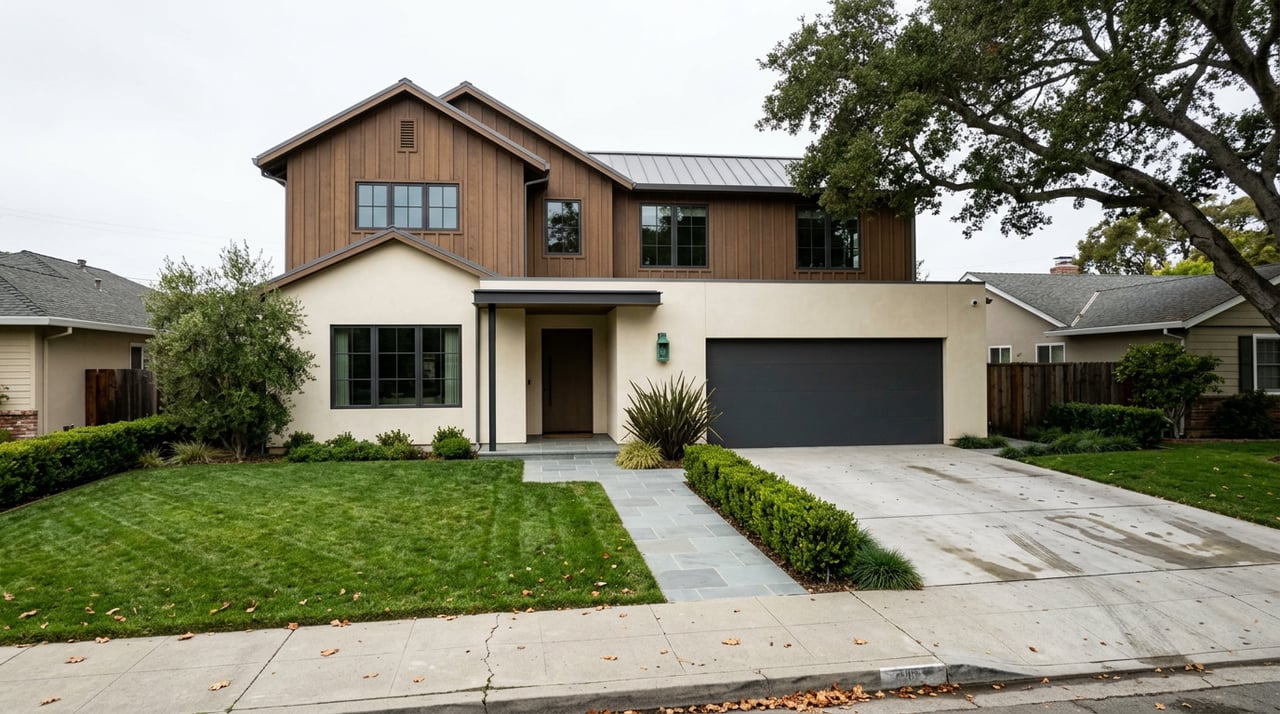
That is why exterior photography and location-aware visuals can matter. Zillow’s media guidance notes that aerial imagery can help show the setting and surrounding amenities. For some Richmond listings, that can help frame proximity to open space and recognizable landmarks.
The surrounding context may include places such as Lands End, Lincoln Park, Crissy Field, Ocean Beach, or the commercial energy around Clement Street, as referenced by San Francisco Travel and the National Park Service’s Golden Gate National Recreation Area information. When supported by the right visuals, this setting can strengthen the listing story in a natural, factual way.
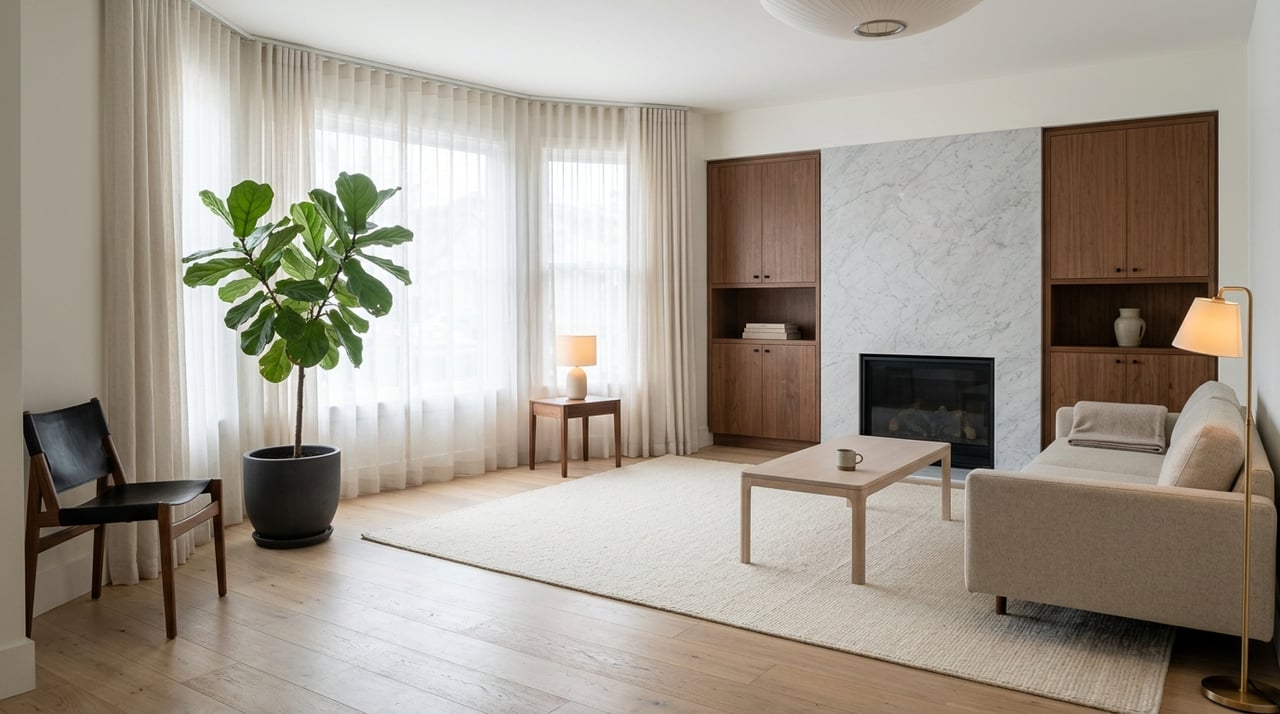
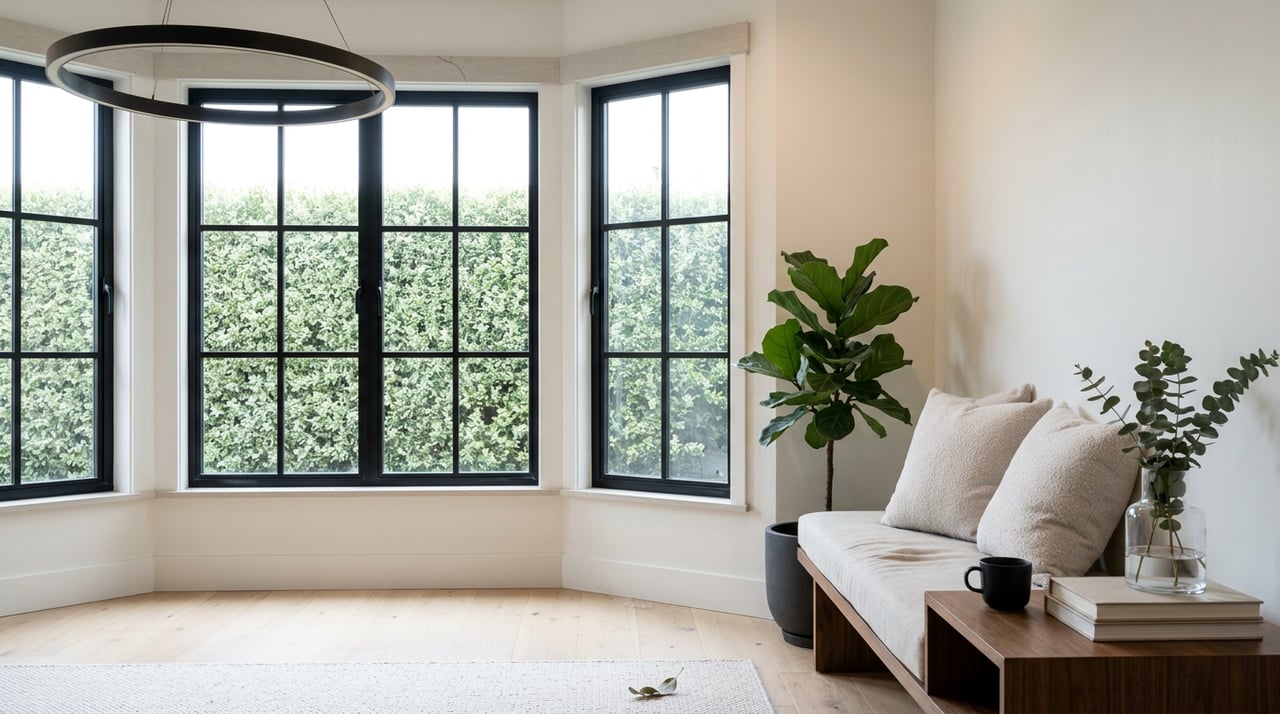
Picture an occupied living room near Clement Street. Before prep, the room feels crowded with oversized seating, visible cords, personal photos, and a dining table collecting everyday clutter. After staging, the furniture plan is simplified, surfaces are cleared, and the room is photographed with brighter natural light and cleaner sightlines.
That kind of edit can make the room feel more connected and usable. It also aligns with NAR’s emphasis on staging high-impact spaces like living and dining rooms.
Now picture a home closer to the coast or park access. Before prep, heavy drapery, dim lamps, and a cluttered entry make the home feel darker and more closed off. After prep, the palette is lighter, the entry is cleaner, and the photo package includes exterior views that support the home’s connection to nearby open space.
This helps buyers see both interior livability and neighborhood setting. In a location where access to parks and coastal landmarks can shape buyer interest, that context matters.
Bonus rooms can be easy to overlook. When a room is filled with storage boxes or mixed-purpose furniture, buyers may not know how to value it. After staging, that same room can read clearly as a home office or guest room.
NAR specifically points to bonus spaces like offices as useful staging targets. Giving a room one clear function can make a home feel more flexible and easier to understand.
A strong listing launch should feel intentional from start to finish. Photo day should not be treated like a quick errand. It should be handled like a media shoot with a clear plan.
Based on Zillow’s media recommendations and buyer search behavior, a premium package may include:
This matters because buyers are comparing homes online before they ever visit. A polished media package can help your listing stand out earlier in the process, when interest is being won or lost.
If you are getting ready to sell in the Richmond District, the biggest opportunity is to make your listing feel both spacious and location-aware. Buyers want clear, attractive visuals, but they also want to understand how the home lives and how it connects to the neighborhood around it.
The strongest approach usually combines:
That strategy speaks to how buyers actually shop today. It also gives your home a better chance to make a strong impression before the first showing even happens.
If you are thinking about selling and want a design-forward, neighborhood-specific plan for your Richmond District home, Mandy Lee can help you prepare, position, and present your listing with care.
Stay up to date on the latest real estate trends.
Innovative real estate maven hailing from the heart of San Francisco. Born and raised in this iconic city, I use my deep local roots with modern strategies, reshaping the real estate landscape. With an intimate knowledge of the city's diverse neighborhoods and a knack for design, she's your guide to finding the perfect property match.