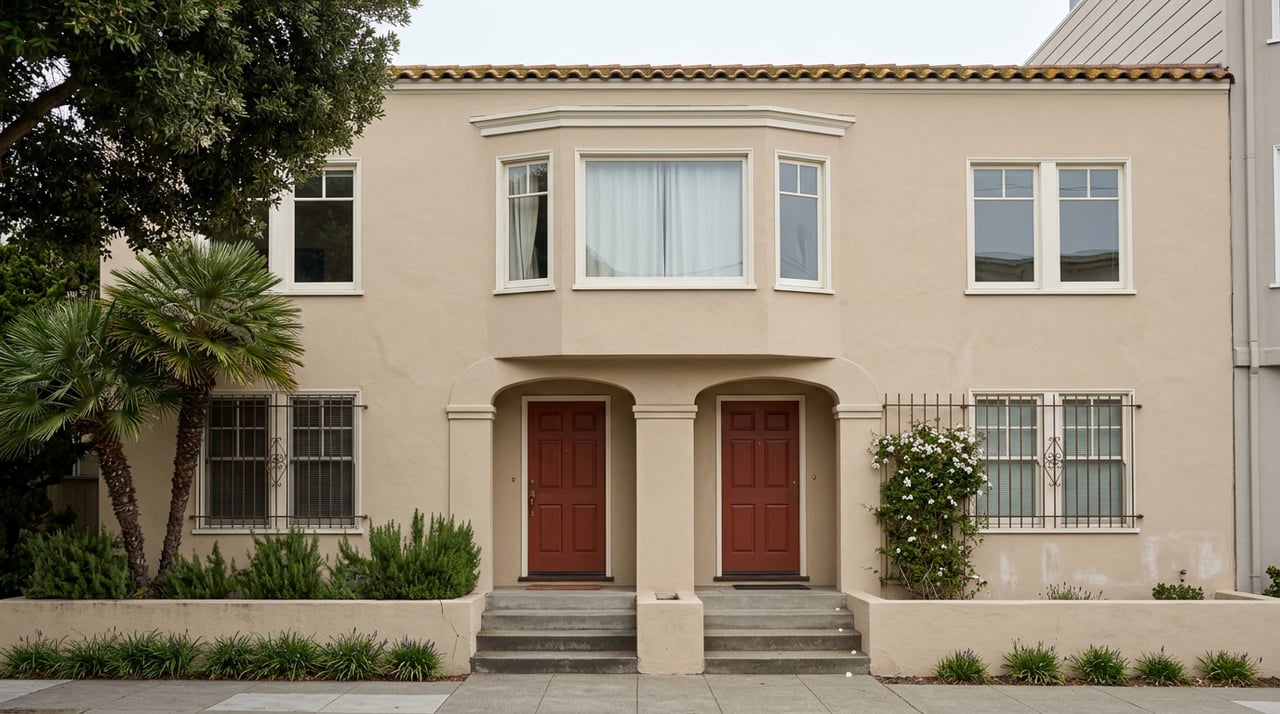
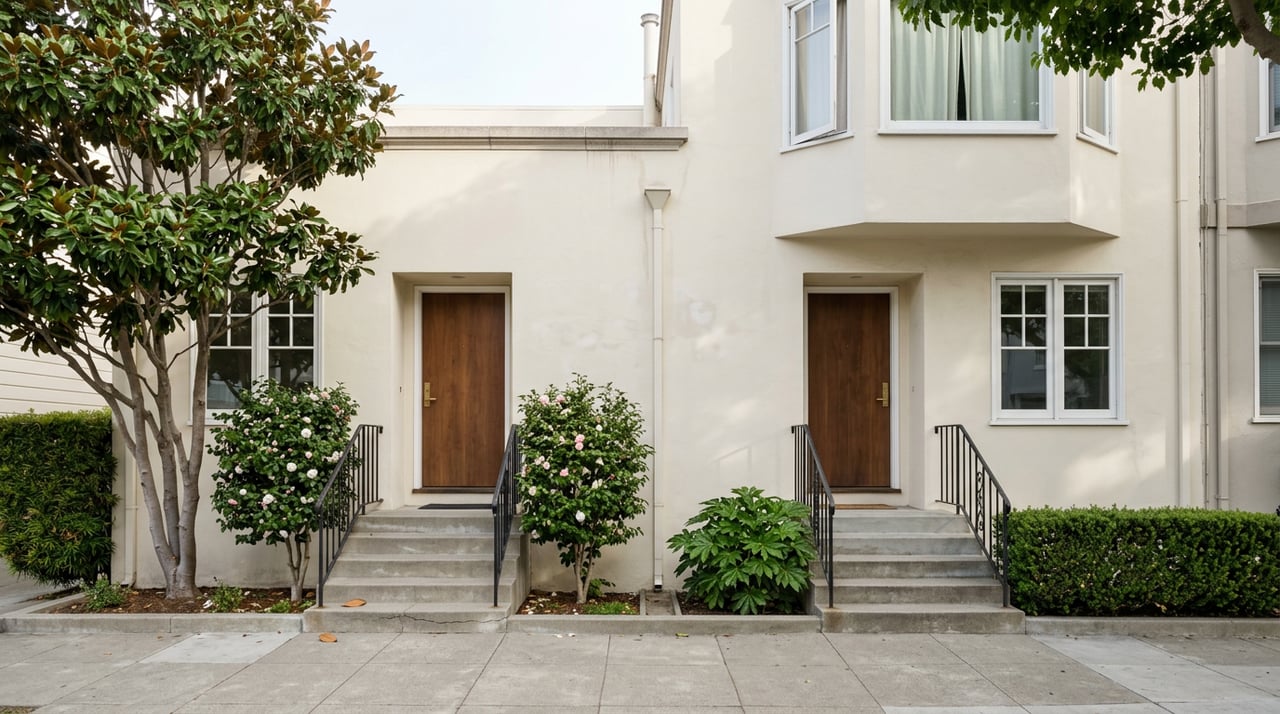
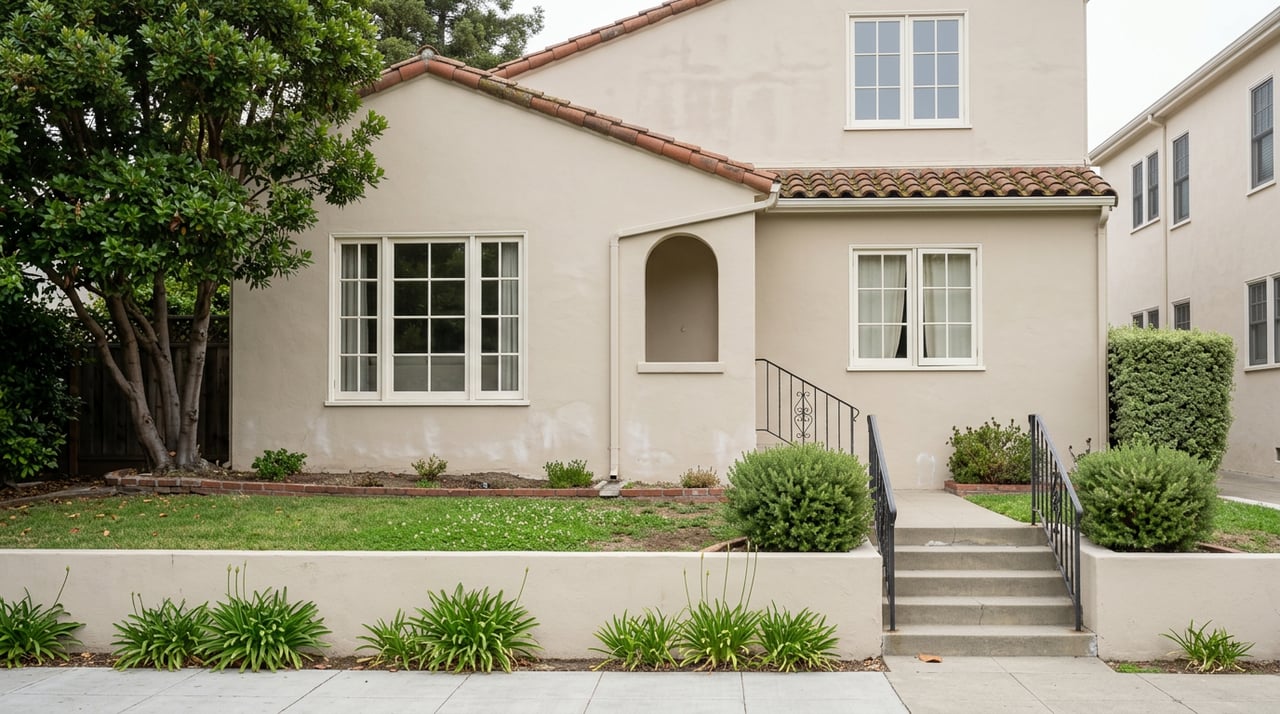
Fog, salt air, and weekend surf sessions may be why buyers love the Sunset, but they can work against your listing if you do not plan for them. If you are getting ready to sell, you want your home to look bright, low maintenance, and ready for a coastal lifestyle. In this guide, you will learn proven steps to improve curb appeal, manage light, showcase storage, and time marketing to the neighborhood’s fog patterns. Let’s dive in.
Know your Sunset buyer
Microclimate realities
The Sunset sits between Golden Gate Park and Ocean Beach and sees frequent marine-layer fog, wind, and cool temperatures. These conditions affect landscaping, exterior wear, and even the best time to photograph your home. The city’s water-wise guide explains how San Francisco’s microclimates and coastal soils shape planting choices and irrigation strategy. You can review local guidance on plant palettes and watering practices in the San Francisco Public Utilities Commission’s Water-Wise Gardening guidebook for microclimate mapping and tips (SFPUC Water-Wise Gardening guide).
Many Sunset homes are early to mid-20th century, often with a one-story-over-garage layout. Buyers expect practical garage and storage solutions that support an active coastal lifestyle. The neighborhood’s residential survey offers helpful context on typical home types and features (Sunset District historic context survey).
What buyers value
- Usable outdoor rooms over ornamental lawns. Simple patios, wind screens, covered seating, lighting, and easy-care plants are compelling in a foggy coastal setting. Industry insights show curb appeal improvements can support stronger buyer interest and returns (NAR on curb appeal and ROI).
- Storage for boards, bikes, and beach gear. A tidy, secure garage corner with racks and hooks reads as lifestyle-ready.
- Move-in readiness. Fresh paint, documented maintenance, and low-maintenance finishes build confidence. Professional staging and photos can also shorten time on market and lift offers (NAR Profile of Home Staging).
Fix coastal wear first
Exterior checks to prioritize
- Hardware and metals. Replace corroded fasteners, house numbers, railings, and exterior light fixtures with marine-grade options such as 316 stainless or quality coated metals. Keep receipts and a brief log of work.
- Paint, trim, and flashing. Fog and salt reduce paint life. Address peeling or soft wood, refresh trim, and seal flashings to prevent moisture intrusion.
- Roofing and gutters. Clean gutters, confirm downspout flow, and inspect roof penetrations and seams. Proactive fixes reassure buyers and inspectors.
- HVAC and mechanicals. Salt particulates can clog condenser fins and speed corrosion. Schedule a cleaning and filter change and ask about coastal maintenance best practices (Coastal HVAC care overview).
- Moisture and ventilation. Aim to keep indoor humidity under 50 percent, fix leaks, and improve ventilation in bathrooms, crawlspaces, and attics. If you see visible mold, follow public-health guidance and consider professional remediation so you can document a clean bill of health (Indoor air quality resources).
Systems, safety, and disclosures
- Disclosures. In California, sellers must provide the Transfer Disclosure Statement and Natural Hazard Disclosure. In the Sunset, consider tsunami and flood mapping near Ocean Beach and seismic considerations as you assemble documentation (California disclosure overview).
- Lead-based paint. If your home was built before 1978, provide the federal lead-based paint pamphlet and honor the buyer’s right to a 10-day inspection or test. Keep any relevant records accessible (CDPH lead disclosure info).
- Permits for outdoor upgrades. Hardwired lighting, new gas lines, and permanent heaters need the correct permits and installations that follow local fire rules. Confirm requirements before work begins and retain permits for your file (SFFD guidance on regulated outdoor setups).
Make outdoors usable in the fog
Planting that thrives
Choose water-wise, fog-tolerant plants that handle cool summers, sandy soils, and occasional salt spray. Group plants by water needs, add drip irrigation, and consider rain barrels where allowed. Native and coastal-hardy choices like Ceanothus, sea thrift, succulents, and groundcovers can look lush with minimal upkeep. For neighborhood-specific plant guidance and hydrozoning tips, use the city’s water-wise manual (SFPUC Water-Wise Gardening guide).
Hardscape, heat, and light
Create a sheltered outdoor room with a simple pergola, wind screens, or a covered patio. Layer exterior lighting to warm up evening showings. Portable electric or professionally installed infrared heaters can extend usability, but make sure permanent installations meet local permit and fire requirements (SFFD guidance on regulated outdoor setups). Small investments in decks, patios, and maintenance score well with buyers in national surveys (NAR on curb appeal and ROI).
Materials that last
Favor low-maintenance, salt-tolerant finishes. Capped composite decking, fiber-cement siding, and nonferrous fasteners reduce upkeep. When you upgrade visible metal elements, note the specifications in your maintenance log. Buyers appreciate proof of thoughtful, coastal-grade choices.
Stage for light and lifestyle
Focus rooms first
Prioritize the living room, kitchen, and primary bedroom. Neutralize, declutter, and edit accessories for a calm, move-in-ready feel. Third-party data shows professional staging often helps homes sell faster and for stronger offers (NAR Profile of Home Staging).
Manage light like a pro
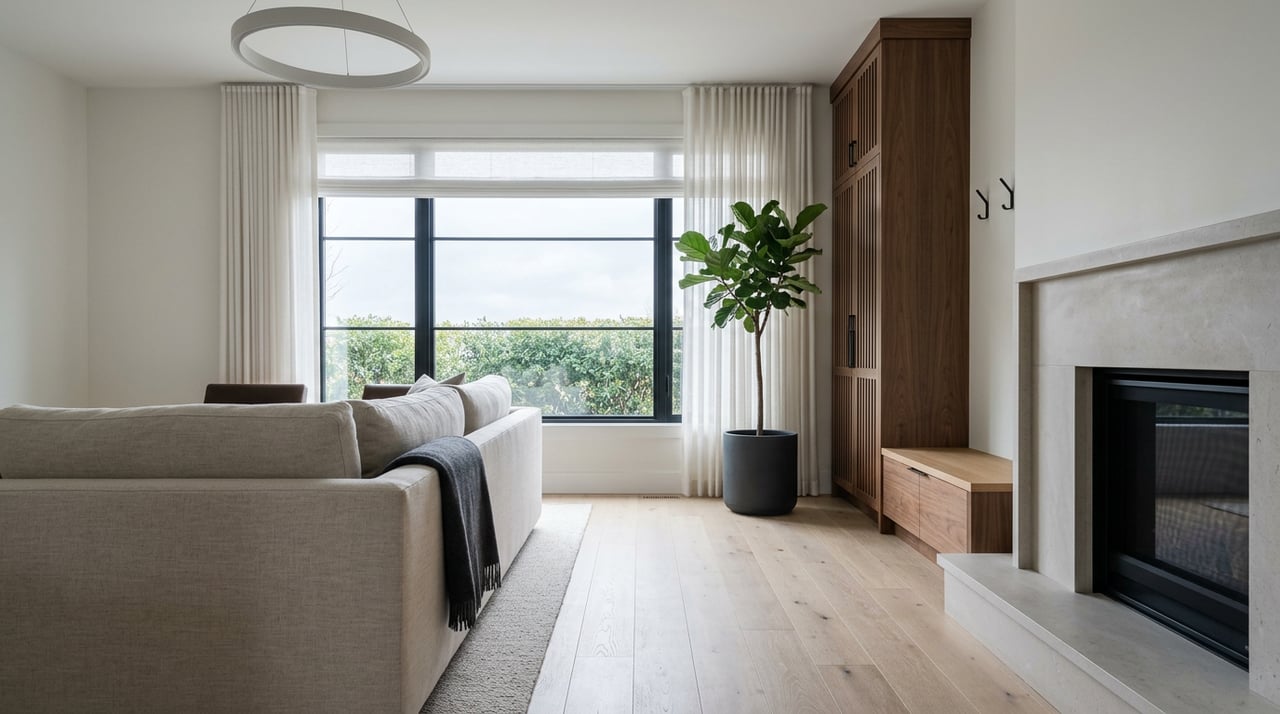
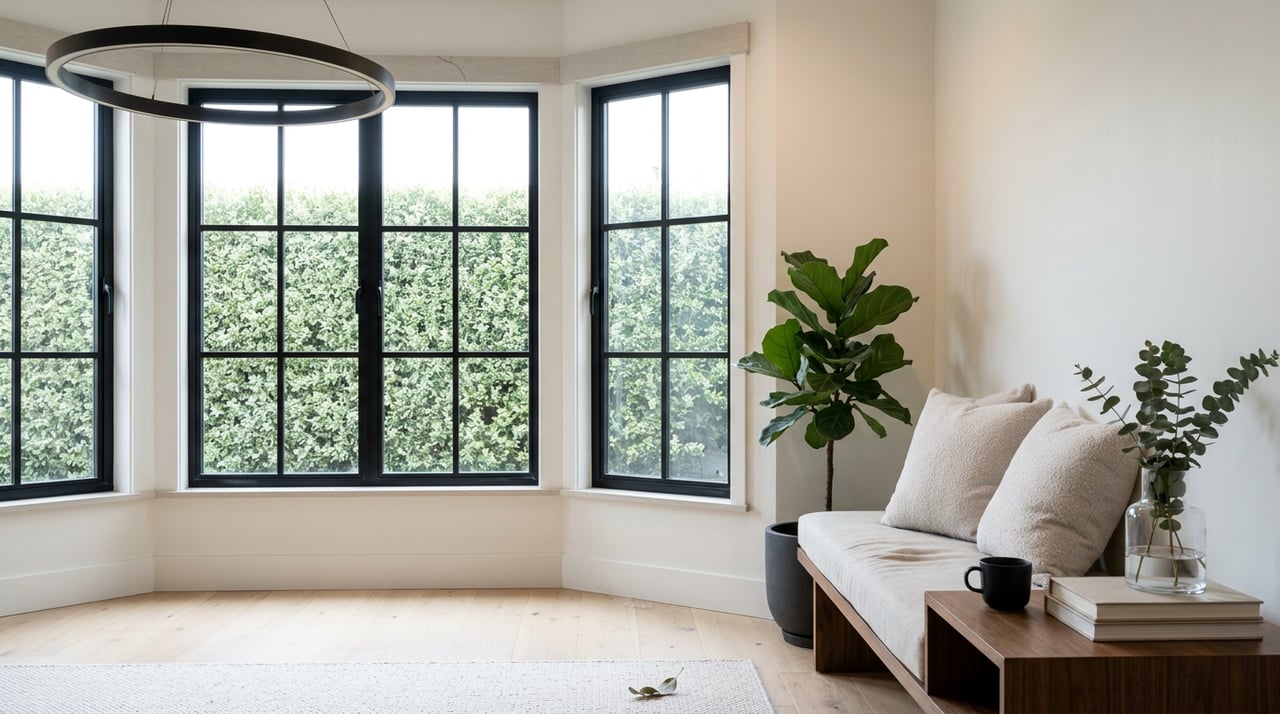
The Sunset’s cool daylight can read flat in photos. Remove heavy window treatments, keep glass spotless, and use layered lighting with warm 2700–3000K bulbs to balance the marine layer. Place mirrors to amplify daylight and consider a photographer who understands when the fog lifts on your block (Photography tips for SF’s light and fog).
Highlight storage and gear zones
Stage a clean garage corner with surfboard racks, vertical bike storage, hooks for wetsuits, and labeled bins. Add a small bench and durable mat at the entry for a practical drop zone. If space allows, a simple exterior rinse area near the garage or side yard reads as an everyday luxury for beach-goers. Show, do not tell, with props and smart layout.
Prep for photos and showings
Deep clean, remove small personal items, and box up extras well before photography. Book your photographer after staging is complete and agree on a shot list that highlights outdoor rooms, key living spaces, and storage. Professional photos are consistently a top-value pre-listing investment in national research (NAR Profile of Home Staging).
Your 6–8 week prep timeline
- 6–8 weeks out: Order your Natural Hazard Disclosure and assemble permits, service records, and recent repairs. Schedule exterior touch-ups, roof and gutter checks, and HVAC servicing with coil cleaning and filter changes (California disclosure overview; Coastal HVAC care overview). Refresh landscaping with fog-tolerant plants and drip irrigation tweaks using city guidance (SFPUC Water-Wise Gardening guide).
- 3–4 weeks out: Hire a professional stager focused on the living room, kitchen, and primary suite, and plan a gear-storage vignette. Book a photographer who knows how to shoot in SF fog and map the best time window for your address (Photography tips for SF’s light and fog). Decide on value-add visuals like a 3D tour and schematic floor plan.
- 1 week out: Final deep clean and touch-ups. Set window treatments and lighting for a warm look. Confirm all disclosures, including lead-based paint if applicable, are ready for buyers (CDPH lead disclosure info; California disclosure overview).
Day-of-showing checklist
- Windows wiped, all interior lights on, and a comfortable temperature set.
- Garage storage staged neatly with boards and bikes placed to show capacity.
- Pet items tucked away and trash removed; neutral, fresh scent.
- Towels and linens crisp; patio seating styled and ready.
Work with the right partners
The Sunset rewards a thoughtful, neighborhood-specific plan. Your agent, stager, and photographer should understand fog patterns, coastal materials, and what local buyers expect from storage and outdoor spaces. When you line up the right team and follow a focused checklist, you present a bright, turnkey home that lives well by the beach.
If you are planning to sell in the Sunset and want a calm, design-forward plan from prep to photo day, reach out to Mandy Lee. Request a free home valuation and a tailored pre-listing roadmap.
FAQs
What makes the Sunset microclimate unique for sellers?
- Frequent fog, cool temps, wind, and sandy soils influence landscaping, exterior wear, and the ideal timing for photos, so you should plan materials and marketing around those factors (SFPUC Water-Wise Gardening guide).
How can I make outdoor space usable in the fog?
- Create a sheltered seating area with wind screens or a covered patio, add layered lighting and compliant heaters, and choose fog-tolerant, water-wise plants for low upkeep (NAR on curb appeal and ROI; SFFD guidance).
What repairs matter most for coastal wear in SF?
- Refresh paint and trim, replace corroded exterior metals with marine-grade options, service the roof and gutters, clean HVAC coils, and document all work to build buyer confidence (Coastal HVAC care overview).
How should I stage for low light in the Sunset?
- Focus on the living room, kitchen, and primary bedroom, remove heavy drapes, use warm 2700–3000K bulbs with layered lighting, and schedule photos when your block gets the best daylight (NAR Home Staging Profile; SF fog photography tips).
Which disclosures are required when selling a home in California?
Do I need permits for outdoor heaters or showers?
- Permanent heaters, new gas lines, and hardwired lighting generally require permits and must follow local fire regulations; portable electric heaters are often simpler but still use safely (SFFD guidance).
When should I schedule listing photos in fog-prone areas?
- Work with a local photographer who knows marine-layer patterns and can time shoots when the fog lifts or at twilight for warm window glow, after staging is complete (SF fog photography tips).